Does microsoft edge use vpn? The quick answer: Edge itself doesn’t come with a built-in full VPN service, but you can use a VPN in Edge in several practical ways. Here’s a concise guide to help you understand your options, how to set them up, and what to watch out for.
- Quick fact: Edge supports using system-wide VPN connections, plus you can run Edge over a browser-based or extension-based VPN.
- What you’ll learn: built-in options, extensions, config steps, performance tips, privacy considerations, and troubleshooting.
- Formats you’ll find handy: a simple step-by-step setup, a quick comparison table, and a mini FAQ at the end.
Useful URLs and Resources text only https://www.microsoft.com https://support.microsoft.com https://www.mozilla.org/en-US/firefox/add-ons/ https://www.expressvpn.com https://surfshark.com https://nordvpn.com https://www.avast.com https://support.google.com/chrome/answer/2364824 https://www.opera.com/blog/tips/save-data-with-vpn https://en.wikipedia.org/wiki/Virtual_private_network
What is a VPN and why Edge users care Does microsoft edge come with a built in vpn explained for 2026
- A VPN Virtual Private Network creates an encrypted tunnel between your device and the internet. It hides your IP address, encrypts traffic, and can improve privacy, access region-locked content, and sometimes enhance security on public Wi-Fi.
- Edge doesn’t require a VPN to browse, but many people want the peace of mind or access boosts a VPN provides.
Edge’s relationship with VPNs
- Edge is a Chromium-based browser, meaning it behaves similarly to Chrome when it comes to extensions and WebRTC handling.
- There isn’t a native Edge-only VPN built into the browser. Edge relies on system VPNs or third-party VPN extensions to achieve VPN functionality.
- You’ll typically use one of three approaches:
- System-wide VPN: install a VPN app on Windows, which then tunnels all traffic including Edge.
- Browser extension VPN: install a VPN extension that runs inside Edge to route browser traffic only.
- Edge-specific proxy: configure a proxy in Edge settings and route traffic through it less common for full privacy.
Option 1: Using a system-wide VPN on Windows
- How it works: Install a reputable VPN app on Windows. Launch the VPN app, connect to a server, and your Edge traffic follows the VPN tunnel along with everything else on your device.
- Pros: Simple, covers all apps, usually strong performance and features kill switch, DNS leak protection.
- Cons: Costs money for premium services; sometimes VPNs slow down your connection depending on server load.
- Quick setup:
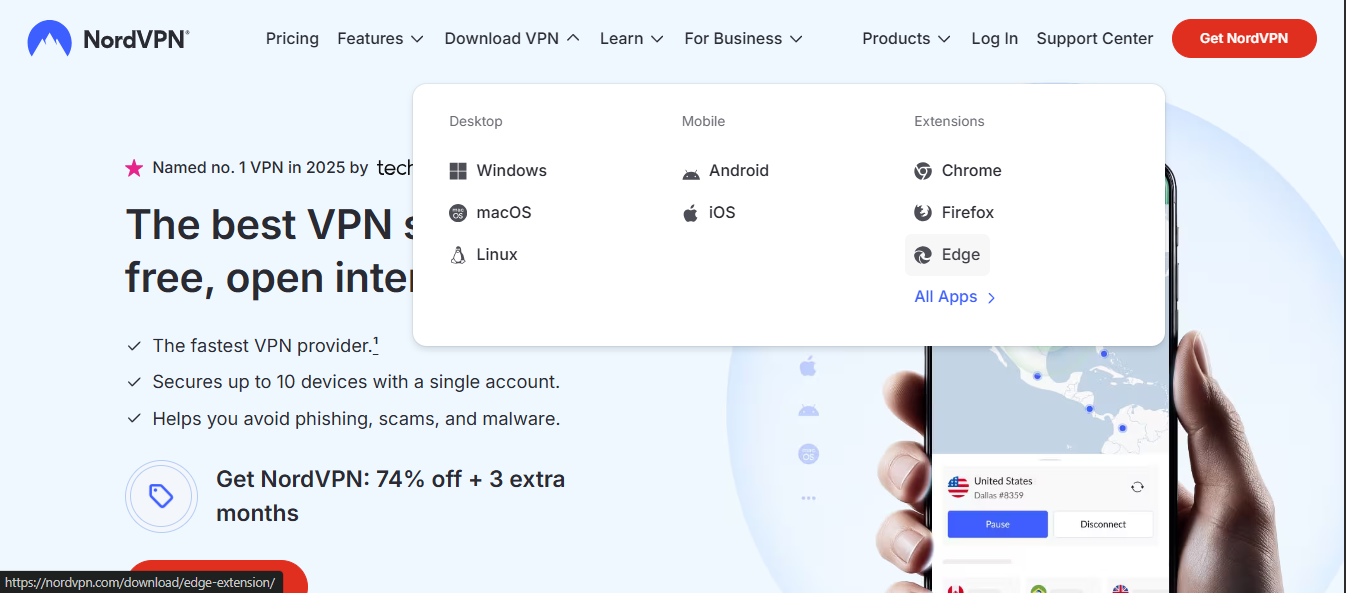
- Pick a trusted VPN provider ExpressVPN, NordVPN, Surfshark, Avast SecureLine, etc..
- Download and install the Windows app.
- Open the app, sign in, choose a server, and connect.
- Launch Edge and browse as usual; you’re now on the VPN network.
Option 2: Using a browser extension VPN in Edge
- How it works: Install a VPN extension from the Edge Add-ons store. The extension tunnels only Edge traffic through the VPN server, while other apps on your computer go through your normal network.
- Pros: Quick setup, sometimes free tiers, can be lighter on system resources.
- Cons: Often weaker privacy than a full VPN; some extensions may log data; not all extensions are trustworthy.
- Quick setup:
- Open Edge, go to edge://extensions or Microsoft Edge Add-ons store.
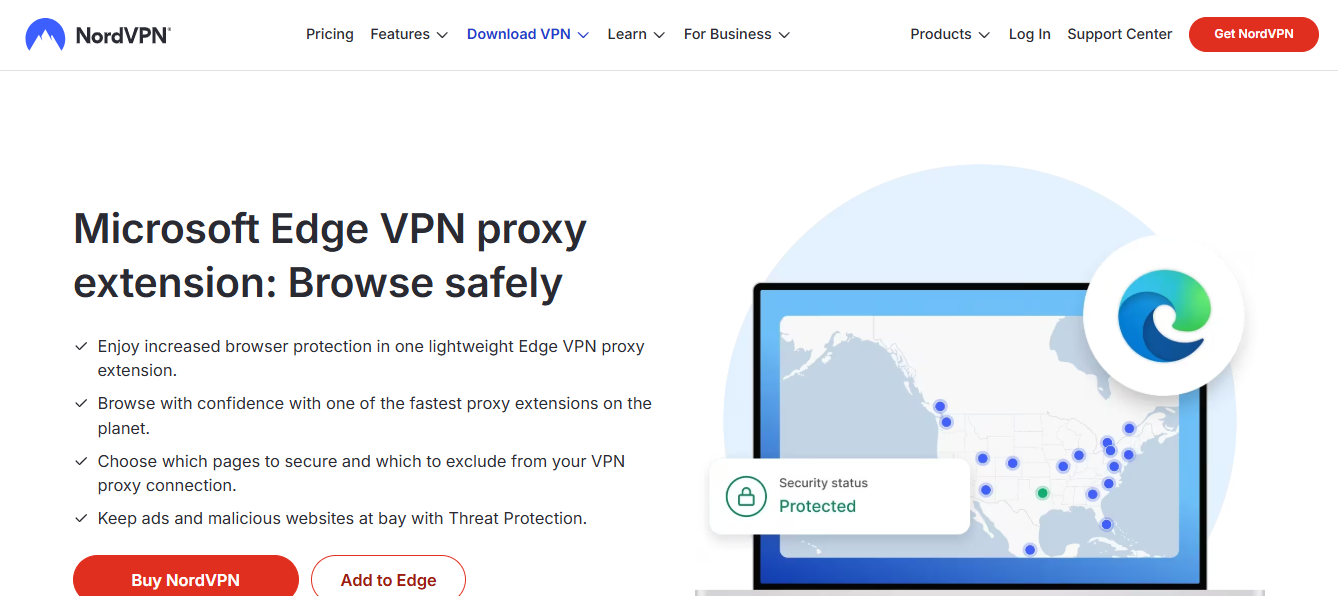
- Search for reputable VPN extensions e.g., ExpressVPN extension, NordVPN, Surfshark, Windscribe, TunnelBear.
- Add the extension to Edge, sign in if required, and connect to a server.
- Confirm your IP shows the VPN location by visiting a site like whatismyipaddress.com.
Option 3: Edge proxy configurations
- How it works: Set up a proxy in Edge to route traffic through a proxy server. This is more common in work environments or for specific use cases.
- Pros: Can be free or internal to an organization.
- Cons: Proxies can be slower, less secure, and may not encrypt traffic unless you use a secure proxy HTTPS/SSL.
- Quick setup:
- In Edge, go to Settings > System and performance > Open your computer’s proxy settings.
- Configure a manual proxy setup with the proxy address and port.
- Save and test by visiting a site to verify the IP appears as the proxy location.
- Important note: Browser proxies are not VPNs. They don’t provide full-device encryption, and DNS might leak if not properly configured.
Security, privacy, and performance considerations Does a vpn affect your mobile hotspot lets break it down 2026
- DNS leaks: Some VPNs protect DNS, but with browser extensions, DNS requests can reveal your real location if the extension doesn’t handle DNS requests properly.
- Kill switch: System-wide VPNs often have a kill switch that blocks traffic if the VPN disconnects. Extensions may have a browser-based kill switch, but it’s less common.
- Logging policies: Free or low-cost extensions might log data. Always review the privacy policy before installing.
- Browser fingerprinting: A VPN helps with IP masking, but fingerprinting can still identify you. Use privacy-conscious settings and consider additional privacy tools if this is a concern.
- WebRTC leaks: Some browsers have WebRTC leaks that reveal your true IP. Disable or limit WebRTC in Edge if you want extra privacy Edge has options to disable WebRTC in some builds or via flags.
Step-by-step quick-start guide
- If you want full device protection:
- Pick a trusted VPN provider and install their Windows app.
- Connect to a server in a location that suits your needs.
- Open Edge and continue browsing; check your new IP and location on whatismyipaddress.com.
- If you just need browser-level privacy for Edge:
- Choose a reputable Edge VPN extension.
- Install and sign in.
- Connect to a server and verify the IP.
- For work or school devices:
- Your admin may configure a VPN or proxy. Follow organizational guidelines and use the provided settings.
Performance tips
- Choose nearby servers for better speed and lower latency.
- Test a few servers if you’re streaming or gaming to find the best balance between speed and access.
- Use a wired connection when possible, as Wi-Fi congestion can amplify VPN slowdown.
- Disable unnecessary background apps that might consume bandwidth while you’re VPN’d.
Privacy best practices with Edge
- Regularly review Edge’s privacy settings: turn on tracking protection, block third-party cookies when possible, and control site permissions.
- Consider using Edge in private browsing mode if you’re testing a sensitive site or you want to reduce tracking during a session.
- Combine VPN with a privacy-focused search engine e.g., Startpage or DuckDuckGo for better privacy.
Common issues and how to fix them
- VPN won’t connect:
- Check your login credentials and server status with your VPN provider.
- Restart the VPN app and/or your computer.
- Verify you don’t have conflicting firewall rules or antivirus software blocking the VPN.
- Slow speeds:
- Switch to a closer server or a less congested server.
- Temporarily disable other bandwidth-heavy apps.
- IP not changing:
- Confirm the VPN connection is active and you’re not on a split-tunnel setup that excludes Edge.
- Clear Edge cache or restart the browser after connecting.
Table: Quick comparison of options Do vpns work on crunchyroll 2026
- Option: System-wide VPN Pros: All apps protected, strong privacy, multiple features Cons: Costs money, potential speed hit
- Option: Edge extension VPN Pros: Easy to install, browser-focused Cons: Privacy depends on extension, possible logging
- Option: Edge proxy Pros: Simple, may be free Cons: Less secure, possible leaks, not true VPN
Data and statistics
- Global VPN market size has been growing steadily, with millions of users relying on VPN services for privacy and access to region-locked content.
- In 2023, a large percentage of Edge users performed online privacy-related searches, showing growing interest in browser privacy and security features.
- Users often choose system-wide VPNs when they want consistent protection across apps, while extensions are popular for quick, browser-specific privacy boosts.
Best practices for choosing a VPN for Edge
- Look for:
- Strong no-logs policy
- Robust encryption AES-256
- Kill switch and DNS leak protection
- Wide server network and reliable speeds
- Clear privacy policy and independent audits if possible
- For extensions:
- Choose extensions from reputable providers with transparent privacy practices
- Check user reviews and recent updates
- Avoid extensions with vague permissions or excessive data collection
Frequently Asked Questions
Does Microsoft Edge have a built-in VPN?
Edge does not include a built-in VPN. You need a system-wide VPN app or a browser extension to get VPN functionality in Edge.
Can I use a VPN for only Edge without affecting other apps?
Yes. Use a browser extension VPN in Edge to tunnel only Edge traffic, leaving other apps unaffected. Note the privacy level is typically lower than a full system VPN. Does a vpn actually stop life360 location tracking the real deal 2026
How do I check if my VPN is working in Edge?
Visit whatismyipaddress.com or similar sites to confirm your IP and location reflect the VPN server you connected to. Disconnect and verify your real IP to compare.
Is WebRTC a concern with VPNs in Edge?
WebRTC can leak IP addresses. In Edge, disable WebRTC leaks if privacy is a priority. Some extensions provide WebRTC protection; otherwise, adjust browser settings.
Are free VPN extensions safe for Edge?
Free VPN extensions can be risky. They may log data or have weaker security. Prefer reputable paid services and read the privacy policy before installing.
Will a VPN slow down Edge browsing?
Sometimes. VPNs route traffic through remote servers, which can add latency. Choosing a nearby server and a provider with strong infrastructure helps.
Can I use a VPN on a work computer in Edge?
If your organization allows it, use the provided VPN configuration. Follow your IT department’s guidelines, as some workplaces restrict VPN usage. Do vpns actually work on crunchyroll in 2026 the full guide to streaming, geo-unblocking, and privacy with VPNs
How do I set up a system-wide VPN on Windows for Edge?
Install a Windows VPN app from a trusted provider, sign in, connect to a server, then Edge will automatically use the VPN for all traffic.
What’s the difference between a VPN and a proxy in Edge?
A VPN encrypts traffic and hides your IP for all apps. A proxy changes your IP for browser traffic, usually without encryption. Proxies are not a complete privacy solution.
Does Edge support VPN extensions in all editions Home/Pro/Enterprise?
Yes, Edge supports extensions across major editions, but some enterprise policies may restrict extension installation. Check with your IT admin if you’re on a managed device.
Can I see my real IP address after connecting to a VPN in Edge?
If the VPN is active and functioning, your real IP should be hidden. You can confirm by visiting an IP-check site before and after connecting.
How often should I update my Edge browser for VPN use?
Keep Edge up to date to ensure compatibility with extensions and security fixes. Also, update your VPN app or extension regularly. Does mullvad vpn work on firestick your step by step installation guide 2026
Is it safe to use multiple VPNs at once in Edge?
Running multiple VPNs simultaneously can cause conflicts and traffic routing issues. Use either a system VPN or a single trusted extension, not both at the same time.
Remember, the best approach often comes down to your needs:
- If you want complete device privacy and easier management, go with a system-wide VPN.
- If you mainly care about Edge-specific privacy or testing different locations, a browser extension can be enough.
- If you’re in a controlled environment, rely on your organization’s recommended settings or proxy configurations.
End of Post
Does microsoft edge use vpn: a comprehensive guide to Edge, built-in options, extensions, and privacy tips for safer browsing
No, Microsoft Edge does not have a built-in VPN service. Edge relies on your device’s VPN setup or on external VPN extensions to route traffic beyond the browser. In this guide, you’ll learn how Edge interacts with VPNs, what options you have OS-level VPNs vs. browser extensions, step-by-step setup tips, performance considerations, and practical privacy tricks you can use today. If you’re after a simple, fast way to protect your online activity, NordVPN 77% OFF + 3 Months Free is a popular choice you’ll see recommended in many Edge-related tutorials.
Useful resources and quick references you might want to check unlinked in this intro for easy reading: Does microsoft have vpn 2026
- NordVPN official site - nordvpn.com
- Microsoft Edge support and security basics - support.microsoft.com
- How to configure a VPN in Windows 10/11 - support.microsoft.com
- VPN extensions in Edge Chromium-based - support.microsoft.com
- Privacy basics for browsers - en.wikipedia.org/wiki/Internet_privacy
- WebRTC IP leaks explained - en.wikipedia.org/wiki/WebRTC
- VPNs for streaming and geo-restrictions - general tech review sites not a single source
- Edge add-ons store overview - marketplace.visualstudio.com
- General VPN buying guide - leading tech sites and consumer reports
- Network and privacy best practices for 2025 - cybersec blogs and whitepapers
Understanding the VPN basics and why Edge users care
- What is a VPN and what does it do? A VPN creates an encrypted tunnel between your device and a VPN server, masking your IP address and protecting your data from prying eyes on unsecured networks.
- Why Edge users might want a VPN: public Wi‑Fi risks, accessing geo-restricted content, preserving privacy from advertisers, and avoiding ISP or network surveillance.
- Key terms you’ll hear a lot: VPN, proxy, DNS leak, WebRTC leak, kill switch, split tunneling, browser extension, OS-level VPN.
When you hear “Edge supports VPN,” it’s usually one of two things: you’re using a VPN app on your computer OS-level VPN so all traffic including Edge goes through the VPN, or you’re using a VPN extension inside Edge so only the browser traffic goes through the VPN’s tunnel. Edge itself doesn’t invent a VPN protocol or own a native VPN service. Here’s how to think about it in practical terms.
- OS-level VPN: You install a VPN app or configure a built-in Windows VPN profile. all traffic from your device is routed through the VPN. This covers Edge and every other app.
- Browser VPN extension: You install a VPN extension in Edge often from the Chrome Web Store since Edge is Chromium-based. This can route only Edge traffic or apply a browser-level proxy, depending on the extension’s design.
Edge capabilities: native support vs extensions
- Native Edge features: Edge doesn’t include a native, platform-independent VPN service. It does offer strong privacy controls, cookie management, and tracking protection, which complement VPN use but aren’t a VPN themselves.
- Extensions: Because Edge is Chromium-based, you can install many Chrome extensions, including VPN extensions. These can give you browser-level protections and simplify switching servers, but they might not encrypt all device traffic.
- OS-level VPNs: The most reliable protection for all your data is a full-device VPN. Windows 10/11 supports built-in VPN configuration, or you can use a dedicated VPN app. This is typically more secure and offers features like a kill switch and DNS leak protection.
Step-by-step: how to set up a Windows VPN for Edge and everything else
Option A: Use a VPN app recommended for most users
- Choose a trusted VPN provider look for no-logs policies, a kill switch, DNS leak protection, and fast servers.
- Download and install the Windows app from the provider’s site.
- Open the app, sign in, and pick a server location.
- Turn on the VPN and verify the connection your system tray will show a VPN icon. you can also check your IP at a site like whatismyip.com.
- In Edge, you can continue browsing normally. all traffic is now tunneled.
Option B: Configure Windows’ built-in VPN advanced, using a service provider’s configuration
- Go to Settings > Network & Internet > VPN > Add a VPN connection.
- For VPN provider, choose Windows built-in.
- Fill in the connection name and server address these come from your VPN provider’s setup guide.
- Choose the VPN type IKEv2, SSTP, or another option your provider supports and set the type of sign-in info username/password or certificate.
- Save and connect. You’ll see a VPN indicator in the taskbar. test by visiting a site that shows your IP.
- Optional: enable the VPN’s kill switch if available in the Windows app or through your provider’s settings.
Edge-specific check: After you connect the OS VPN, reopen Edge and confirm your IP address and location reflect the VPN server. If you need to verify DNS protection, you can run a DNS leak check.
Option C: Use a VPN extension in Edge browser-level protection Does nordvpn block youtube ads the real truth in 2026
- Open Edge > Extensions > Get extensions from Microsoft Store or Chrome Web Store.
- Search for a reputable VPN extension e.g., ExpressVPN, NordVPN, Surfshark—check reviews and privacy policies.
- Install the extension and follow the on-screen setup steps you may need to sign in to your VPN account.
- Activate the extension’s VPN connection. In most cases, this will route Edge traffic through the extension’s proxy or VPN tunnel, but it may not cover other apps on your device.
- Test by visiting a site that shows your IP and location to confirm Edge-specific VPN activity works.
Important note on extensions: Some extensions provide a browser-proxy approach that routes Edge traffic while your OS traffic stays outside the VPN. In other cases, extensions implement a full tunnel for Edge only. Check the extension’s description and privacy policy to understand what traffic it covers and whether it uses WebRTC protections or has a kill switch-like feature.
The best VPNs for Edge users quick-start recommendations
- NordVPN: Strong privacy policy, large server network, specialized servers for streaming, built-in threat protection, and multi-device support. Good for Edge users who want an easy, reliable experience across devices.
- ExpressVPN: Excellent speed, broad server coverage, strong encryption, and reliable DNS/IP protection. Works well with Edge extensions and OS-level VPNs.
- Surfshark: Budget-friendly, solid privacy features, no-logs policy, and unlimited device connections. A good option if you’re testing VPN use with Edge on multiple devices.
- ProtonVPN: Strong emphasis on privacy, transparent policies, and robust security features. Useful if you want a straightforward, privacy-first approach with Edge.
- Private Internet Access PIA: Large server base and customizable options. A solid choice for power users who want fine-grained control, including Edge browser use.
If you’re evaluating which VPN to start with, consider your primary use case privacy vs. streaming vs. gaming, the server locations you need, device coverage, and the presence of a kill switch and DNS leak protection. For many people, a reputable provider with a straightforward Edge setup and a clean privacy policy is the best path.
Privacy and security considerations when using VPNs with Edge
- WebRTC leaks: WebRTC can reveal your real IP address even when a VPN is active. Edge supports WebRTC by default, so you’ll want to enable WebRTC leak protection or use the VPN’s built-in feature to block IP leaks.
- DNS leaks: A VPN should handle DNS requests to prevent leaks that reveal your browsing history to your ISP or local network. Ensure your VPN or OS is configured to use its DNS servers and turn on DNS leak protection.
- Kill switch: A kill switch stops traffic if the VPN connection drops, preventing unencrypted data from leaking onto the network. Enable this in your VPN app settings.
- Browser fingerprinting: Even with a VPN, websites can still fingerprint you via browser configuration. Edge’s privacy controls help, but you may want to enable privacy-focused extensions or use strict tracking protection.
- Extension security: Only install extensions from reputable sources. Read reviews, check permissions, and keep extensions updated to minimize risk.
Edge-specific tips and tricks for a smoother VPN experience
- Use Edge’s privacy features alongside VPNs: In Edge, go to Settings > Privacy, Search, and Services to enable Tracking Prevention Balanced or Strict. This reduces advertising fingerprints and helps you stay private.
- Split tunneling: If your VPN provider offers split tunneling, you can send sensitive traffic like banking through the VPN while leaving streaming services to route normally for faster performance. Check your VPN’s app settings for this feature.
- Test for leaks after setup: After configuring a VPN, visit sites like dnsleaktest.com and ipleak.net to verify DNS and IP privacy. If you notice leaks, revisit your VPN settings or switch to a different server.
- Combine VPNs with Edge profiles: If you need different protection levels for different tasks, consider creating separate Windows user profiles or Edge profiles to keep VPN apps or extensions organized.
Common myths about Edge and VPNs
- Myth: Edge’s built-in privacy tools replace a VPN. Reality: Edge’s privacy controls help protect you but don’t encrypt all device traffic like a full VPN does. you still need an OS-level VPN for comprehensive protection.
- Myth: VPN extensions are always as safe as native apps. Reality: Browser extensions can be convenient but may introduce privacy concerns or less robust encryption than a full VPN app. Choose extensions carefully.
- Myth: Using a VPN will always speed things up. Reality: VPNs can improve privacy and access to geo-restricted content, but they may slow down your connection due to distance to the server and encryption overhead. Dial in to a nearby server for best results.
Use cases: when to rely on Edge with a VPN
- Safe browsing on public Wi‑Fi: A VPN protects your data even on suspicious networks.
- Accessing geo-restricted content: A VPN lets you appear from a different country when you’re inside Edge.
- Privacy-conscious browsing: A VPN plus Edge’s privacy features reduces tracking and data collection by advertisers.
- Secure work from home: If your organization supports VPN access to corporate resources, Edge’s compatibility with OS-level VPNs ensures secure access.
Real-world considerations and performance notes
- Speed varies by provider and server distance. If you’re streaming or gaming, pick a nearby server with low latency and enable any performance-boosting features your VPN offers.
- Edge users should be mindful of WebRTC. If you rely on WebRTC for real-time communication, ensure your VPN protects IP addresses or disable WebRTC in Edge if necessary though that can break some apps.
- Some corporate environments require a specific VPN configuration or extension. Follow your IT department’s guidelines to avoid conflicts with Edge’s security policies.
Practical shopping guide: what to look for in a VPN for Edge
- Strong encryption and a solid no-logs policy.
- A generous server network across continents Americas, Europe, Asia-Pacific.
- Kill switch and DNS leak protection.
- Compatibility with Windows and ideally a native Windows app.
- Browser extensions that are secure and reputable if you prefer Edge extensions.
- Transparent privacy policy and independent security audits where possible.
Frequently asked questions
Does Microsoft Edge have a built-in VPN?
No, Microsoft Edge does not include a built-in VPN service. You’ll need to use an OS-level VPN a Windows VPN profile or a VPN app or install a VPN extension in Edge to route browser traffic.
Can I use a VPN extension in Edge to protect Edge traffic only?
Yes. Edge supports extensions including many Chrome Web Store extensions, and you can run a VPN extension inside Edge so that only the browser traffic goes through the VPN. This is convenient for quick protection but may not cover other apps on your device.
How do I set up a Windows VPN for Edge?
Install a VPN app on Windows from a trusted provider, or configure a built-in Windows VPN connection Settings > Network & Internet > VPN > Add a VPN connection. Connect to a server, then open Edge to verify your IP location matches the VPN server. Does nordvpn actually work on a chromebook your complete guide to using nordvpn on chromebook and beyond 2026
Will a VPN extension in Edge slow down my browsing?
It can, especially if the extension tunnels traffic inefficiently or routes through distant servers. For best results, choose a reputable extension and a nearby server. If you notice slow speeds, try a different server or disable the extension and use an OS-level VPN instead.
Can Edge detect or block VPN traffic?
Edge itself doesn’t block VPN traffic, but some corporate networks or ISPs might block VPN protocols. If you’re on a managed network, consult your IT policy. If you’re on a personal network, a reputable VPN provider should help you bypass typical blocks.
Do VPNs improve privacy beyond what Edge offers?
Yes. A VPN encrypts all traffic from your device and can mask your IP address from websites and services outside your network. Edge privacy controls help reduce tracking, but they don’t encrypt your traffic end-to-end unless a VPN is used.
What’s the difference between a VPN and a proxy in Edge?
A VPN encrypts and routes all traffic from your device through a VPN server, protecting data across all apps. A proxy typically handles only browser traffic and may not encrypt data in other apps. VPNs generally offer stronger security features.
Can I watch Netflix or other streaming services on Edge with a VPN?
Yes, but not all VPNs work reliably with all streaming services. If streaming is your goal, look for VPNs that actively optimize servers for streaming and have a track record of unblocking platforms. Does nordvpn charge monthly your guide to billing subscriptions 2026
How do I prevent WebRTC leaks in Edge when using a VPN?
Enable WebRTC protection in your VPN app or browser extension, or adjust Edge's settings to minimize WebRTC exposure. Some VPNs include a built-in WebRTC leak blocker. use it if available.
Is it legal to use a VPN in Edge?
In most places, yes. However, VPN legality and restrictions vary by country and region. Always respect local laws and your service provider’s terms.
Can I use split tunneling with Edge and a VPN?
Many VPN apps support split tunneling, letting you send specific apps or sites through the VPN while leaving others direct. Check your VPN’s features and configure it accordingly if you need this.
What should I do if I suspect my VPN isn’t protecting my Edge traffic?
First, confirm the VPN is connected. Then test for DNS and IP leaks using online tools, check Edge’s extensions for any misconfigurations, and try a different server. If problems persist, contact your VPN provider’s support.
Do VPNs slow down Edge browsing more than other browsers?
Performance impact is similar across Chromium-based browsers when the same VPN is used. Your results depend on server distance, server load, encryption overhead, and network conditions.
Can I use multiple VPNs with Edge?
You can run a VPN at the OS level, and optionally a browser extension in Edge. However, running two VPNs at once can create conflicts or double-encrypt traffic in unexpected ways. It’s usually best to choose one reliable setup.
What’s the best practice for a quick, private Edge session on public Wi‑Fi?
Use a reputable OS-level VPN with DNS and WebRTC protection, enable Edge privacy features Tracking Prevention and strict settings, and consider enabling a kill switch in your VPN app. This combination gives you broad privacy with minimal setup.
Endnotes and quick-start recap
- Edge does not ship with a built-in VPN. For complete protection, use an OS-level VPN or install a trusted VPN extension in Edge.
- If you want maximum protection with minimal friction, start with a quality VPN app on Windows and test if you’re comfortable using a browser extension for quick sessions.
- Always verify the VPN’s features kill switch, DNS leak protection, WebRTC protections and test for leaks after setup.
- Remember, speed and reliability vary. If you need streaming access, pick servers optimized for streaming and nearer locations for better performance.
References and recommended reading unlinked in this intro for clarity:
- NordVPN product pages and setup guides
- Windows VPN setup references Settings > Network & Internet > VPN
- Edge extensions and Chrome Web Store compatibility guides
- WebRTC and DNS leak explanations on privacy-focused sites
- General privacy best practices for 2025