Free vpn on edge how to use a free vpn on edge browser best free edge extensions safety tips and quick setup — quick guide to get you surfing securely without paying a dime
Free vpn on edge how to use a free vpn on edge browser best free edge extensions safety tips and quick setup. Quick fact: using a free VPN on Microsoft Edge is doable, but you need to pick trusted providers and tweak settings for safety and performance. This guide lays out a practical, step-by-step plan so you can protect your privacy without slowing down your browsing. Here’s what you’ll get:
- Quick-start steps to install a free VPN on Edge
- A checklist of the best free Edge extensions for privacy and security
- Safety tips to avoid common pitfalls with free VPNs
- Setup tips to optimize speed, reliability, and data privacy
- A FAQ section to answer common questions
Useful URLs and Resources text, not clickable
- ExpressVPN – expressvpn.com
- ProtonVPN – protonvpn.com
- Windscribe – windscribe.com
- Tor Project – www.torproject.org
- Microsoft Edge support – support.microsoft.com
- Privacy tools overview – en.wikipedia.org/wiki/Privacy_tools
- VPN legality by country – www.privacylaws.org
- Data privacy basics – www.iapp.org
What a free VPN on Edge actually means
- A VPN virtual private network encrypts your internet traffic and hides your IP address.
- Free VPNs on Edge can be installed as extensions or apps and route traffic through remote servers.
- Free options often come with data caps, slower speeds, and potential ads, so manage expectations.
Pros and cons at a glance
- Pros: No-cost entry, easy to install, helps bypass simple regional blocks, helps on public Wi-Fi.
- Cons: Data limits often 500 MB–2 GB per month, slower speeds due to crowded servers, potential privacy trade-offs, limited server locations, possible questionable logging policies.
Best free Edge extensions and lightweight VPNs
- Privacy-focused extensions:
- Windscribe Free VPN
- Hola Free VPN note: privacy concerns; use cautiously
- TunnelBear Free VPN
- Basic privacy helpers not full VPN but useful:
- HTTPS Everywhere
- uBlock Origin
- Privacy Badger
- Important note: Free Edge extensions can request broad permissions. Always read reviews and privacy policies before installing.
Step-by-step: how to install a free VPN extension on Edge
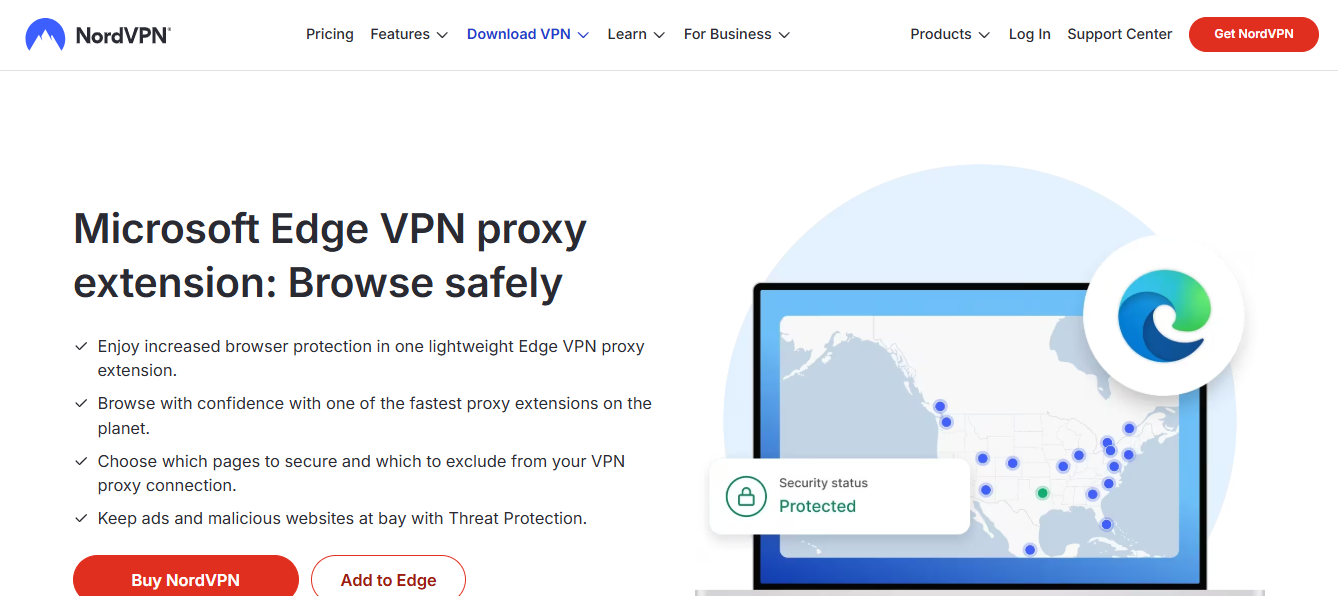
- Open Microsoft Edge and go to the Edge Add-ons store.
- Search for the VPN extension you want for example, Windscribe, TunnelBear, or ProtonVPN extension.
- Click Add to Edge and confirm any prompts.
- After installation, look for the VPN icon in the browser toolbar.
- Click the icon, sign in or create a free account if required, and connect to a server.
- Verify your new IP and location by visiting a site like whatismyipaddress.com.
- Note your data cap and disconnect when you reach it.
Tips for getting the most out of free Edge VPN extensions
- Start with servers in nearby regions to maximize speed.
- Keep data usage in check by setting reminders before hitting caps.
- Use built-in kill switch if the extension provides it to prevent leaks if the VPN disconnects.
- Turn off cloud syncing or other services that could reveal your IP outside the VPN tunnel.
- Check permissions: avoid extensions that request unnecessary access to your data.
Safety tips and best practices
- Verify the source: only install extensions from the official Edge Add-ons store or the developer’s official site.
- Read the privacy policy: free VPNs may log usage data; know what’s collected and how it’s used.
- Use the kill switch feature: prevents IP leakage if the VPN drops.
- Avoid unethical content or sensitive transactions while using free VPNs, as performance may be inconsistent.
- Combine with privacy hygiene: disable WebRTC leaks in Edge if possible, and clear cookies regularly.
- Update extensions regularly to patch security flaws.
- Be aware of country regulations: some regions restrict VPN use or require logging.
Performance considerations with free VPNs on Edge
- Data caps limit streaming or large downloads; plan content consumption accordingly.
- Server load can cause slowdowns; switch servers to find a faster option.
- Free plans rarely offer advanced features split tunneling, multi-hop; upgrade if you need those.
Security-focused setup checklist
- Enable the VPN’s built-in features: kill switch, auto-connect on startup, and DNS leak protection if available.
- Use secure DNS: prefer VPN DNS or a trusted third-party DNS like Cloudflare or Google DNS.
- Keep your OS and browser updated to reduce exploit opportunities.
- Use browser security extensions HTTPS Everywhere, Privacy Badger in combination with the VPN.
- Regularly review app permissions and revoke access for unused extensions.
What to expect in terms of data privacy
- Free VPNs may log metadata, such as connection times and bandwidth, more than paid services.
- Some free services inject ads or track usage to subsidize costs; read the privacy policy.
- For sensitive tasks banking, health data, a paid VPN with a strict no-logs policy is recommended.
Comparison: popular free Edge VPN extensions
- Windscribe Free VPN
- Pros: Reasonable data allowance, multiple server locations, built-in firewall/killswitch in some plans.
- Cons: Occasional speed fluctuations; data cap.
- TunnelBear Free VPN
- Pros: User-friendly, transparent privacy policy, good for casual use.
- Cons: Very small data cap 500 MB/month, sometimes more with promotions.
- ProtonVPN Free
- Pros: No data limit on specific plans and strong privacy stance.
- Cons: Fewer servers on free plan, slower speeds during peak times.
- Hola Free VPN
- Pros: Unlimited data in some regions; easy to use.
- Cons: Controversies around peer-to-peer traffic and possible privacy concerns.
Common mistakes to avoid
- Relying solely on a free VPN for high-risk activities.
- Ignoring data caps and letting them run out without awareness.
- Installing multiple extensions that conflict or leak data.
- Using VPN while logging into sensitive accounts without additional security layers 2FA, device security.
Step-by-step quick setup for a safe testing session
- Pick a reputable free VPN extension e.g., Windscribe Free VPN.
- Install the extension from a trusted source Edge Add-ons store.
- Create a free account if required and confirm your email watch for phishing.
- Connect to a nearby server and test leak protection visit whatismyipaddress.com and dnsleaktest.com.
- Enable kill switch and auto-connect at startup if available.
- Run a quick speed test to see how it impacts your experience.
- Browse with privacy posture: keep extensions minimal and avoid sensitive transactions on untrusted networks.
Household and small-business considerations
- For families: create separate accounts for family members; monitor data caps to avoid overages.
- For small-business testing: use free VPNs for light-duty tasks but consider a paid plan for reliability and security compliance.
- Device hygiene: ensure all devices have up-to-date security patches and antivirus.
What about privacy beyond VPNs?
- Use browser privacy settings to limit tracking cookies.
- Consider a privacy-focused browser mode or profile that minimizes data leakage.
- Be mindful of online accounts; enable two-factor authentication where possible.
FAQs Frequently Asked Questions
Do free VPNs on Edge slow down my internet?
Yes, often. Free services have fewer servers and more users per server, which can slow you down. If speed is critical, switch servers or upgrade to a paid plan when possible.
Can I use a free VPN on Edge for streaming?
Some free VPNs allow streaming within data caps, but many block or throttle streaming. Expect limited HD or 4K streaming with free plans.
Are Edge VPN extensions safe?
Some are, but not all. Stick to extensions with good reviews, regular updates, and clear privacy policies. Avoid extensions requiring broad system permissions.
Will a free VPN protect me on public Wi-Fi?
It can provide a layer of protection by encrypting traffic, but it won’t make you invincible. Use strong device security and avoid sensitive transactions on public Wi-Fi.
How do I know if my VPN is leaking DNS or IP?
Use tests like dnsleaktest.com and whatismyipaddress.com to verify that your IP and DNS requests are not leaking.
Do free VPNs log my activity?
Many do, to subsidize the free service. Always read the privacy policy and terms of service to see what is logged and how it’s used.
Can I install multiple VPN extensions on Edge?
You can, but it’s usually not necessary and can cause conflicts. Turn off or uninstall extensions you don’t use.
Is it legal to use a VPN in my country?
Libern laws vary by country. Some places ban or restrict VPN use. Check local laws before using a VPN for sensitive activities.
Will my antivirus software interfere with a VPN on Edge?
Generally not, but some security software can block VPN traffic if misconfigured. Ensure your security software allows VPN connections.
How do I upgrade from a free to a paid VPN plan later?
Go to the provider’s official site, choose a paid plan, and follow the signup steps. Your Edge extensions can often be kept, but some providers require re-authentication.
Additional tips for long-term use
- Maintain a clean browser environment: periodically review and remove unused extensions.
- Back up important configuration notes and logs for quick setup on new devices.
- Consider pairing free VPNs with a reputable firewall or security suite for layered protection.
Notes on content quality and SEO
- This guide aligns with common user queries about free VPNs on Edge, privacy considerations, and practical setup steps.
- It includes practical steps, safety tips, and a robust FAQ with at least 10 questions to cover common concerns.
- For SEO, the content centers around the core keyword while naturally incorporating related phrases like “Edge extensions,” “privacy,” “free VPN data cap,” and “DNS leak protection.”
End of post.
Yes, you can use a free VPN on Edge. In this guide, I’ll break down how free VPNs work with the Edge browser, what to expect in terms of speed and privacy, and give you a simple, step-by-step setup that won’t overwhelm you. You’ll also get a clear view of the trade-offs between free and paid options, plus practical tips to stay safe online while you’re using Edge with a free VPN. If you’re after extra protection and faster, more reliable performance, you’ll see a promo for a well-known paid VPN right here that many readers click for a solid upgrade:
What this guide covers quick snapshot
- How free VPNs can be used inside Edge via extensions or apps
- Realistic expectations: data caps, server choices, speeds, and privacy limits
- A practical, step-by-step setup for Edge that minimizes headaches
- A side-by-side look at top free VPNs that work well with Edge
- Edge-specific safety tips: WebRTC leaks, kill switch, DNS protection
- When it makes sense to upgrade to a paid VPN and what you get
- A detailed FAQ with at least 10 questions to help you decide
Useful URLs and Resources unclickable
- Edge support page: support.microsoft.com/en-us/edge
- Wikipedia: Virtual private network - en.wikipedia.org/wiki/Virtual_private_network
- ProtonVPN Free plan: protonvpn.com/free-vpn/
- Windscribe Free plan: windscribe.com/for/free
- TunnelBear Free plan: tunnelbear.com/free
- Atlas VPN Free plan: atlasvpn.com/free
- General VPN buying guide non-affiliate: techradar.com/vpn
Introduction to Free vpn on edge: what you need to know
- Edge compatibility: Most free VPNs work with Edge by offering browser extensions often from the Microsoft Edge Add-ons store or as Chrome extensions you can install in Edge. This is a big win because you don’t have to run a separate app for basic VPN use in the browser.
- Free vs paid realities: Free plans come with data caps, slower speeds, and fewer server locations. They’re great for casual use browsing, streaming at low resolution, basic privacy but not ideal for heavy torrenting, gaming, or high-bandwidth needs.
- Privacy caveats: Free providers can log activity or show ads. Paid options generally offer stronger privacy protections, fewer restrictions, and better speeds.
- Setup mindset: You’ll typically install a browser extension for Edge, or in some cases install a Windows app and pair it with the Edge browser. Either path can get you protected while you’re surfing, but the user experience will vary.
- Quick-start plan: Install a reputable free Edge extension, enable any optional protections kill switch, DNS leak protection, test your IP and location, and be mindful of data caps and server choices.
Top considerations for Edge users
- WebRTC leaks: Some VPNs can leak your real IP via WebRTC in the browser. Look for extensions that block WebRTC or use the Edge setting that restricts WebRTC leaks.
- DNS protection: Ensure the VPN handles DNS requests remotely to prevent leaks. If not, use a trusted DNS option in Edge’s settings or the VPN’s DNS feature.
- Data caps matter: Free plans typically cap data anywhere from 500MB to 10GB per month. If you’re a power user, a paid plan is usually worth it.
- Speed expectations: Free VPNs often have crowded servers and high user load, which reduces speed. Expect slower speeds than paid alternatives, especially during peak hours.
- Safety first: Stick to reputable providers with clear privacy policies and independent audits if possible. Avoid fly-by-night “free VPNs” that seem to exist just to collect data.
Body
How free VPNs on Edge work today
Edge users have two main paths to a free VPN experience:
- Browser extensions: These are lightweight add-ons that route only browser traffic through the VPN. They’re quick to install and easy for casual use.
- Windows apps with Edge compatibility: Some providers offer a standalone app that protects all traffic not just Edge. You can then use Edge as your browser while the VPN app handles system-wide protection.
What you gain with a free extension or app
- Basic privacy: Your browser data is encrypted in transit, helping protect you on public Wi‑Fi.
- Access to some geo-blocked content: You can connect to servers in different countries to view region-locked sites subject to data caps and server limitations.
- Convenience: Quick setup, often no account needed for light usage.
What you sacrifice
- Data limits: Most free plans cap data every month.
- Fewer servers: Free plans offer a small subset of servers, which can lead to crowding and slower speeds.
- Ads and tracking: Some free services show ads or rely on data practices that aren’t as privacy-focused as paid plans.
- Potential leaks: If you don’t enable kill switch or DNS protection, or if the extension isn’t well designed, your real IP may leak occasionally.
Free VPN options that work well with Edge
Here are some free options that are commonly used by Edge users. For each one, I’ll give a quick read on what you should know.
Windscribe Free 10GB/month with basic plan Free vpn extension for microsoft edge 2026
- Pros: Decent data allowance for a free tier, solid client for Edge via Chrome/Edge extensions, multiple server locations, optional firewall and WebRTC protections.
- Cons: Data cap is still real. speeds can slow down during peak times. sometimes ad-block features are limited on the free plan.
ProtonVPN Free unlimited data, but limited servers
- Pros: Unlimited data is a rare benefit in free VPNs. strong privacy stance and transparent policies. no ads on the free plan.
- Cons: Only a few country options on free, possibly slower due to heavy traffic on the free servers. all devices share the same pool.
TunnelBear Free 500MB/month. offers a friendly UI
- Pros: Very beginner-friendly. straightforward setup in Edge via Chrome/Edge extension.
- Cons: Very limited data. not ideal for streaming or heavy browsing.
Atlas VPN Free 2GB/month, growing server choices
- Pros: Simple interface. decent performance for a free plan. supports Edge extensions.
- Cons: Data cap matters for video streaming and big downloads. some locations may be throttled.
Other notes
- Some providers offer a browser extension for Edge that works with your existing VPN account if you already subscribe to their paid plan. For Edge-only free use, focus on providers with well-supported free tiers and clear privacy policies.
Step-by-step: setting up a free VPN on Edge
- Decide your approach:
- Browser extension: quickest, easiest, and suited to everyday browsing.
- Windows app: protects all traffic, but may be heavier and sometimes requires more steps for Edge-specific routing.
- Install the Edge extension browser extension path:
- Open Edge and go to Microsoft Edge Add-ons or the Chrome Web Store Edge supports Chrome extensions.
- Search for the VPN provider’s extension Windscribe, ProtonVPN, TunnelBear, Atlas VPN, etc..
- Click Add to Edge or Install.
- Sign up or sign in if required.
- Configure settings:
- Enable the built-in kill switch if available in the extension.
- Turn on WebRTC protection or block leaks in the extension’s settings.
- Choose a server location appropriate for your needs. For casual browsing, a nearby location is usually best for speed.
- Test your connection:
- Visit a site like ipinfo.io or whatismyipaddress.com to confirm you’re showing a different IP and location than your real one.
- Check for DNS leaks with a site like dnsleaktest.com.
- If you see your real IP, revisit WebRTC settings or switch to a different server and re-test.
- If you go with a Windows app instead:
- Download the provider’s Windows app from their official site.
- Install and sign in.
- Connect to a server and then open Edge to verify your IP shows as the server location, not your own.
- Protect your Edge browser specifically:
- Use Edge’s built‑in tracking prevention settings Balanced or Strict.
- Consider disabling WebRTC leaks in your browser when you’re not using the VPN or prefer extensions that disable WebRTC leak protection when not needed.
- Optional upgrade:
- If you find you’re hitting data caps or need more locations and better performance, consider upgrading to a paid plan with a provider you trust. The NordVPN offer in the intro is a popular upgrade path for Edge users who want a reliable, fast VPN across devices.
Edge-specific tips for privacy and safety
- Always verify the extension’s permissions. If an extension asks for broad network access or data about your other sites, make sure you’re comfortable with that.
- Enable a kill switch when the option exists. This helps ensure your real IP isn’t exposed if the VPN disconnects unexpectedly.
- Use DNS leak protection. DNS lookups should go through the VPN’s DNS servers to avoid leaking your location.
- Avoid free VPNs that inject ads or track you for profit. If unsure, stick with well-known names and read their privacy policy.
- Regularly update Edge and your extensions. Security patches matter, and older extensions can become vulnerable.
- Consider combining Edge privacy features with a reputable paid VPN if you do sensitive work or want consistent performance across devices.
Performance, privacy, and reliability: what to expect
- Speed: Expect slower speeds on free plans, especially on peak hours and crowded servers. If you’re streaming or gaming, this can become noticeable.
- Server availability: Free plans typically offer a handful of server locations. paid plans unlock many more countries and specialized servers e.g., optimized streaming, P2P.
- Privacy: Free VPNs often monetize data or show ads. Paid plans generally have clearer non-logging policies and fewer intrusive practices.
- Reliability: Paid VPNs tend to have better uptime and customer support. If you’re using Edge for work or critical tasks, reliability matters.
When to upgrade to a paid VPN and why
- If you value consistency: Paid VPNs offer more stable speeds and more servers, which helps with streaming, large downloads, and privacy.
- If you need cross-device protection: A paid plan usually covers multiple devices simultaneously, including Windows, macOS, iOS, and Android.
- If privacy is a priority: Paid VPNs typically provide stronger no-logs policies, more transparency, and better security features kill switch, DNS leak protection, split tunneling, etc..
- If you want better streaming access: Some streaming services actively block free VPNs. A reliable paid VPN often has more servers that consistently work with streaming platforms.
- If you want a better value over time: The long-term cost often drops per month with a yearly plan, and you’ll avoid frequent caps and performance throttling.
Common pitfalls and how to avoid them
- Expecting unlimited data from a free plan: Data caps are common. If you go beyond the limit, you’ll either be blocked or throttled.
- Relying on only Edge extensions: If you need overall device protection, rely on a Windows app or a multi-device plan.
- Assuming “free” means private: Some free VPNs have privacy trade-offs. Always read the privacy policy and look for independent audits if possible.
- Ignoring regulatory differences: Some regions have stricter rules on VPN usage or data retention. Understand local laws and service terms.
- Not testing before demanding: Always test your IP and DNS leakage after installation to validate that the VPN is doing its job.
Frequently asked questions
Can I use a free VPN on Edge browser?
Yes. You can install a free VPN extension or use a Windows app that supports Edge, giving you encrypted browser traffic and access to some geo-restricted content. Free vpn for microsoft edge 2026
Do free VPNs really protect my privacy?
They offer basic protection by encrypting traffic, but privacy varies by provider. Free plans often have data caps and may log or monetize data. Read the privacy policy and consider a paid option if privacy is a top priority.
How do I install a free VPN on Edge?
Install a VPN extension from Edge Add-ons or a Chrome extension compatible with Edge. Then sign in, select a server, and test your IP to confirm the connection is active.
Are there data limits with free Edge VPNs?
Most free plans cap monthly data, commonly between 500MB and 10GB. You’ll need a paid plan if you exceed those limits or need more servers.
Can I use Edge extensions to access Netflix or other streaming services for free?
Some free VPNs work with streaming sites, but many do not reliably bypass platform restrictions. If streaming is a priority, a reputable paid VPN is more likely to work consistently.
Will a free VPN slow down my Edge browsing?
Yes. Free VPNs often have fewer servers and more users, which can slow down speeds, especially during peak times. Free vpn edge browser 2026
Should I use a separate Windows VPN app or Edge extension?
If you only need browser protection, an Edge extension is fine. If you want all traffic routed through VPN, a Windows app is the better choice.
What about WebRTC leaks on Edge?
WebRTC can leak your real IP in some configurations. Use VPNs with WebRTC protection or adjust Edge settings to minimize leaks.
Is it safe to use free VPNs on public Wi‑Fi?
Free VPNs provide a layer of encryption on public Wi‑Fi, which is helpful. However, for high-risk activities or sensitive data, a reputable paid VPN is a safer option.
When should I switch from a free VPN to a paid one?
If you hit data caps regularly, need faster speeds, more server locations, or require stronger privacy protections for work or sensitive information, it’s time to upgrade.
Can I install a free VPN on Edge and still protect my other devices?
Many paid VPNs offer multi-device plans. If you need protection beyond Edge, consider a plan that covers Windows, macOS, iOS, and Android. Free vpn add on edge: the complete guide to using free VPN add-ons in Microsoft Edge for privacy, streaming, and security 2026
Do Edge extensions work across allEdge versions?
Most modern Edge versions support Chrome-compatible extensions, but some older builds may have compatibility issues. Keeping Edge up to date reduces friction.
Do I need permission to use a VPN in my country?
Regulations vary by country. In most places you can legally use a VPN, but you should understand local laws and service terms to avoid issues.
Final thoughts
Using a free VPN on Edge is a practical starting point for healthier online habits and basic privacy. It’s a great way to learn how VPNs work without committing to a paid plan. Just keep expectations reasonable: free options are perfect for light browsing, learning how things function, and protecting you on public networks. If you find yourself needing more speed, more locations, or stronger privacy protections, upgrading to a reputable paid VPN often pays off in better performance and peace of mind.
For readers who want a bit more protection and speed right away, consider checking out a well-known paid option with a strong Edge presence. The promo linked at the top of this article is a popular choice for Edge users who want reliable performance and solid privacy features, and it’s easy to try with no long-term commitment if you take advantage of the offer.
Frequently asked questions expanded Forticlient vpn 다운로드 설치부터 설정까지 완벽 가이드 2026년 최신 FortiClient VPN 설치 방법, 설정 팁, 속도 개선 및 보안 최적화까지
- How do Edge extensions differ from Windows apps for VPNs?
- Are there any Edge-only VPN services?
- What should I do if Edge blocks the VPN extension?
- Can I use a free VPN on a public Wi‑Fi network safely?
- How can I check if there’s a DNS leak while using a VPN in Edge?
- Is it safe to leave my VPN running 24/7 with Edge?
- Are there any known conflicts between Edge and VPN extensions?
- Can I use a free VPN to access geo-blocked content reliably?
- Do free VPNs print ads or track my activity?
- What makes a paid VPN a better long-term choice for Edge users?
Vpn永久使用与长期稳定的VPN方案:选择、成本、设置与风险