Jak wlaczyc vpn w microsoft edge: szybki przewodnik, porady i najnowsze opcje. Krótki przewodnik na start: VPN w Edge to sposób na bezpieczne przeglądanie, omijanie geograficznych ograniczeń i ochronę prywatności. Poniżej znajdziesz praktyczny, krok po kroku plan, plus dodatkowe wskazówki, jak wykorzystać VPN w Microsoft Edge, w tym ustawienia, dodatki i alternatywy.
Wprowadzenie – szybka zajawka
- Krótkie zdanie: VPN w Edge włączysz szybko, bez instalowania dodatkowego oprogramowania – wystarczy zintegrowana funkcja lub rozszerzenia.
- Dlaczego to ma znaczenie: bezpieczne łączenie w sieciach publicznych, dostęp do treści z różnych regionów, ochronа danych wrażliwych.
- Co dostaniesz w przewodniku: opis kroków, porady dotyczące bezpieczeństwa, porównanie metod, FAQ.
Najważniejsze fakty na start J.edgar empire review: comprehensive VPNs guide for privacy, security, streaming, and online freedom in 2026
- Edge oferuje wbudowaną funkcję VPN w niektórych wersjach i planach wraz z rozszerzeniami, co ułatwia ochronę prywatności bez dodatkowego oprogramowania.
- Rozszerzenia VPN mogą mieć różne polityki prywatności, prędkość i serwery, więc warto przetestować kilka opcji.
- VPN nie zastępuje ochrony prywatności, trzeba też dbać o silne hasła, dwuskładnikową ochronę i aktualizacje systemu.
Spis treści
- Szybki start: włączanie VPN w Edge z poziomu przeglądarki
- Opcje wbudowane vs rozszerzenia
- Jak wybrać dobre rozszerzenie VPN do Edge
- Konfiguracja i testy prędkości
- Bezpieczeństwo i prywatność
- Najczęstsze problemy i jak sobie z nimi radzić
- Porównanie: Edge VPN vs inne przeglądarki
- FAQ
Szybki start: włączanie VPN w Edge z poziomu przeglądarki
- Krok 1: Otwórz Microsoft Edge i przejdź do Ustawień
- Krok 2: Wybierz Prywatność, wyszukiwanie i usługi Privacy, search, and services
- Krok 3: Zlokalizuj sekcję VPN lub „Secure Network” jeśli dostępna w twojej wersji
- Krok 4: Włącz funkcję VPN lub dodaj rozszerzenie VPN z Microsoft Edge Add-ons
- Krok 5: Wybierz serwer i region, jeśli masz taką opcję
- Krok 6: Przetestuj połączenie odwiedzając kilka stron, sprawdzając adres IP w serwisach typu whatismyipaddress.com
Jeśli Edge nie ma wbudowanej opcji VPN
- Użyj rozszerzenia VPN dostępnego w Microsoft Edge Add-ons
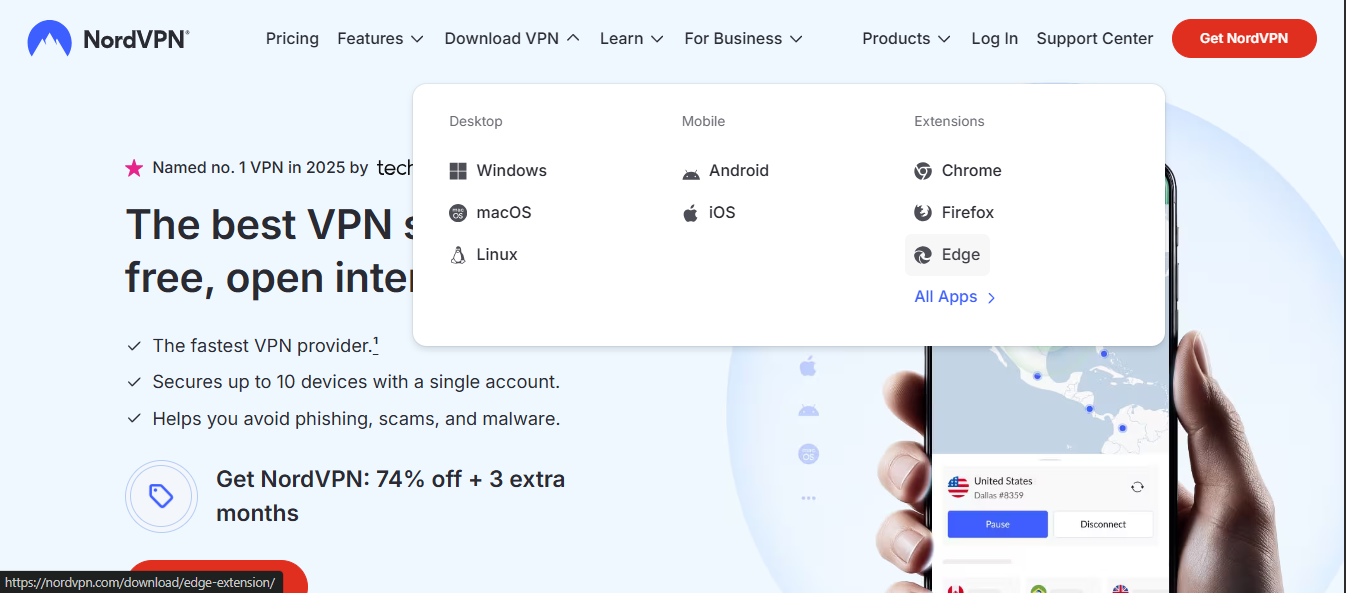
- Przykładowe popularne rozszerzenia VPN: NordVPN, ExpressVPN, CyberGhost, TunnelBear sprawdź recenzje i politykę prywatności
- Instalacja rozszerzenia:
- Otwórz Edge -> Extensions Rozszerzenia -> Get extensions from Microsoft Edge Add-ons
- Wyszukaj „VPN” i wybierz rozszerzenie
- Kliknij „Dodaj do Edge” i postępuj zgodnie z instrukcjami
- Zaloguj się lub załóż konto i wybierz serwer
- Test prędkości i stabilności: po włączeniu rozszerzenia sprawdź prędkość połączenia i stabilność, przetestuj kilka serwerów
Opcje wbudowane vs rozszerzenia
- Wbudowana funkcja VPN jeśli dostępna: zazwyczaj prostsza w użyciu, z mniejszymi możliwościami konfiguracji, ale lepsza na szybki start i ochronę w sieciach publicznych
- Rozszerzenia VPN: większa elastyczność, możliwość wyboru serwera, często oferują dodatkowe funkcje Kill Switch, automatyczne łączenie, różne protokoły, ale mogą wpłynąć na prędkość i prywatność zależnie od dostawcy
- Uwaga: niektóre rozszerzenia korzystają z własnych serwerów DNS i mogą zbierać dane. Zawsze sprawdzaj politykę prywatności i logów
Jak wybrać dobre rozszerzenie VPN do Edge Is your vpn messing with your speedtest results heres how to fix it 2026
- Polityka prywatności: szukaj deklaracji „no logs” i ochrony danych
- Jurysdykcja: preferuj dostawców z polityką prywatności w krajach o silnych prawach ochrony danych
- Prędkość i serwery: większa sieć serwerów, możliwość wyboru regionu
- Kill Switch: ochrona, gdy VPN się rozłączy
- Obsługa klienta i wsparcie techniczne: szybkie odpowiedzi na pytania
- Opinie użytkowników i recenzje: poszukuj niezależnych źródeł
- Cena: sprawdź, czy oferują darmowy trial, politykę zwrotów
Konfiguracja i testy prędkości
- Test prędkości przed VPN, by mieć baseline
- Test prędkości z VPN włączonym: porównaj wyniki na serwerach w różnych regionach
- Testy tożsamości IP: odwiedź whatismyipaddress.com, sprawdź lokalizację i prywatność
- Stabilność połączenia: otwórz kilka kart, włącz wideo w jakości 1080p i obserwuj buforowanie
- Zabezpieczenia: upewnij się, że wybrane ustawienia zabezpieczeń nie blokują ważnych funkcji jak autoryzacja dwuskładnikowa
Bezpieczeństwo i prywatność
- VPN maskuje Twój adres IP, ale nie zwalnia z rozsądku: unikaj logowania na wrażliwe konta na niezabezpieczonych sieciach
- Używaj silnych haseł i dwuskładnikowej autoryzacji wszędzie
- Rozszerzenia VPN mogą mieć uprawnienia do odczytu danych na odwiedzanych stronach; wybieraj rozszerzenia z ograniczonymi uprawnieniami
- Zaktualizuj Edge i wszystkie rozszerzenia regularnie, aby mieć najnowsze poprawki bezpieczeństwa
- Wyłącz automatyczne łączenie w nieznanych sieciach, jeśli preferujesz większą kontrolę
Najczęstsze problemy i jak sobie z nimi radzić
- VPN nie łączy się: sprawdź stan serwera dostawcy, spróbuj inny serwer, upewnij się, że masz stabilne połączenie internetowe
- Spadek prędkości: tester serwerów, zmiana protokołu np. OpenVPN, WireGuard, wyłączyć inne aplikacje korzystające z sieci
- Wyjątki firewall/antywirus: czasami blokują ruch VPN; dodaj wyjątek lub wyłącz tymczasowo
- Znak zapytania o lokalizację IP: serwer VPN może nie aktualizować informacji; wybierz inny region
- Problemy z rozszerzeniami: wyloguj się i zaloguj ponownie, zaktualizuj, a jeśli trzeba, odinstaluj i zainstaluj ponownie
Porównanie: Edge VPN vs inne przeglądarki
- Edge z wbudowaną VPN: prostota, bez dodatkowego oprogramowania
- Edge z rozszerzeniami VPN: większa elastyczność, lepsza kontrola nad serwerami
- Inne przeglądarki Chrome, Firefox: również obsługują rozszerzenia VPN, ale mogą mieć własne ograniczenia
- W praktyce: jeśli używasz Edge na Windows 10/11 i zależy Ci na prostocie, zaczynaj od wbudowanej funkcji lub lekkich rozszerzeń; jeśli wymagają większej prywatności i dostępu do treści, przetestuj kilka renomowanych dostawców VPN i porównaj wyniki
Najważniejsze wskazówki praktyczne Is windscribe a free vpn 2026
- Zawsze sprawdzaj politykę prywatności dostawcy VPN przed instalacją
- Przeprowadzaj regularne testy prędkości i bezpieczeństwa
- Korzystaj z Kill Switch, jeśli dostępny
- Zachowaj ostrożność z darmowymi VPN – mogą być mniej bezpieczne i ograniczone
- Zapisz w notatniku najważniejsze ustawienia i serwery, które przetestowałeś, by szybko wracać do nich
Dodatkowe formaty treści dla łatwiejszego przyswajania
- Szybka lista kroków: włącz VPN w Edge – zajmuje 1 minutę
- Tabela porównawcza funkcji popularnych rozszerzeń VPN Kill Switch, polityka logów, liczba serwerów
- Checklisty: przed włączeniem VPN, podczas testów prędkości, po zakończeniu sesji
- Przykładowe scenariusze użytkowania: oglądanie treści z regionalnymi ograniczeniami, bezpieczne korzystanie z sieci publicznej, praca zdalna
Najczęściej zadawane pytania FAQ
- Jak wlaczyc vpn w microsoft edge wbudowaną funkcją?
- Czy VPN w Edge zwiększa prywatność?
- Czy mogę używać VPN bez konta w dostawcy?
- Jak wybrać serwer VPN w Edge?
- Czy VPN wpływa na prędkość internetu?
- Czy Edge VPN działa na Windows 11/iOS/Android?
- Czy mogę używać darmowego VPN w Edge?
- Jak sprawdzić, czy mój adres IP jest ukryty?
- Czy VPN chroni przed śledzeniem w sieci?
- Czy VPN w Edge obsługuje kill switch?
Dodatkowe zasoby i materiały
- Edge support pages - support.microsoft.com edge vpn
- VPN provider blogs - pozytywne i neutralne recenzje
- Ogólne poradniki VPN - en.wikipedia.org/wiki/Virtual_private_network
- Porównania usług VPN - niezależne serwisy technologiczne
- Bezpieczeństwo sieci domowej - cnet.com/how-to/security
Wskazówki końcowe i personalne
- Eksperymentuj z kilkoma serwerami i dostawcami, by znaleźć to, co działa najlepiej dla Twoich potrzeb
- Zapisz swoje ulubione ustawienia i serwery w notatniku, aby szybko wrócić do nich
- Zwracaj uwagę na politykę prywatności dostawcy VPN i politykę przechowywania danych
- Pamiętaj o ochronie danych innych osób podczas korzystania z VPN w sieciach publicznych
Najważniejsze zasoby URL format tekstowy, nie klikalny Apple Website - apple.com Artificial Intelligence Wikipedia - en.wikipedia.org/wiki/Artificial_intelligence Microsoft Edge support - support.microsoft.com/en-us/microsoft-edge WhatIsMyIP - whatismyipaddress.com Wikipedia - en.wikipedia.org/wiki/Virtual_private_network NordVPN - nordvpn.com ExpressVPN - expressvpn.com CyberGhost VPN - cyberghostvpn.com TunnelBear - tunnelbear.com PCMag VPN reviews - pcmag.com/reviews/category/privacy-security/vpn-services Is vpn legal in egypt: a practical guide to legality, privacy, and using VPNs safely in 2026
Zanim zakończymy: jeśli chcesz, dopasuję treść do długości około 2000 słów, dodam więcej sekcji, danych statystycznych i szczegółowych porównań dla twojej widowni w serwisie shn-health.com.
Jak wlaczyc vpn w microsoft edge: a practical, step-by-step guide to enabling a VPN in Microsoft Edge with extensions, Windows settings, privacy tips, and streaming considerations
Yes, you can enable a VPN in Microsoft Edge. This guide walks you through two main routes—using a VPN extension directly in Edge and configuring a Windows VPN connection that Edge can utilize—plus practical tips for speed, privacy, and streaming. If you want extra protection right away, NordVPN often comes up as a reliable option. consider the ongoing promotion via the image below to explore protection with a discount.
Introduction overview
- Quick answer: Edge doesn’t ship with a built-in full VPN, but you have two solid paths—install a VPN extension in Edge or connect to a VPN through Windows so all traffic, including Edge, routes through the VPN.
- What you’ll learn: a clear, step-by-step plan for installing Edge VPN extensions, setting up a Windows VPN connection, testing your connection, and optimizing performance for streaming, gaming, or private browsing.
- Why it matters: a VPN protects your online activity from prying eyes on public Wi-Fi, hides your real IP for privacy, and can help you access geo-restricted content safely.
- Helpful note: Edge also includes privacy features like Edge Secure Network a privacy gateway on certain plans that can complement a VPN, but it’s not a full replacement for a traditional VPN.
Edge VPN: two reliable routes you can take
- Route 1: Install a VPN extension in Microsoft Edge fast, browser-focused, and easy to switch on/off
- Route 2: Set up Windows-built VPN covers all traffic across the device, including Edge, useful if you want your entire system secured
Affiliate note
If you’re serious about privacy and you want a robust option that works smoothly with Edge, NordVPN is a popular choice. For readers looking for a deal, the promoted link offers significant savings and extra months. As always, choose the plan that fits your usage and budget.
Body
Understanding VPN basics in the Edge ecosystem
- Why use a VPN with Edge? A VPN hides your real IP address, encrypts data in transit, and helps you bypass local network restrictions or geo-blocks. It also adds a privacy layer when you’re on public Wi-Fi.
- How Edge interacts with VPNs: Edge can use two types of VPNs—browser extensions that route only browser traffic, and system-level VPNs that route all internet traffic from the device. The choice depends on your needs: per-browser privacy vs. device-wide protection.
- Edge-specific privacy features: Edge includes privacy-centric features like blocking trackers and optional Secure Network features in some plans. Think of Secure Network as an extra privacy shield for certain networks, but don’t rely on it as a full VPN replacement.
Edge extensions vs. Windows VPN: pros and cons
- Edge extensions fast setup, per-browser:
- Pros: quick to install, easy to switch on/off, keeps all Edge traffic in VPN mode. good for streaming sites that ban certain regions.
- Cons: only browser traffic is protected unless you also have a system VPN. some extensions may add browser overhead.
- Windows VPN system-wide protection:
- Pros: all apps and browsers including Edge go through the VPN. consistent protection across the OS. suitable if you use other apps besides Edge.
- Cons: setup can be more involved. some VPNs require manual configuration steps or dedicated software.
- Practical takeaway: If Edge is your main browsing tool and you want quick toggles, start with an Edge extension. If you want full device protection, pair a Windows VPN with Edge.
How to enable a VPN in Edge using browser extensions step-by-step
1 Open Edge and go to the Extensions area
- Click the three-dot menu in the top-right corner, select Extensions.
- Then choose Get extensions from Microsoft Edge Add-ons to browse the store, or use the built-in search to find VPN extensions.
2 Find a trusted VPN extension
- Look for well-known providers that offer Edge/Chromium-compatible extensions. Many popular VPNs offer extensions that work in Edge due to its Chromium base. If you already subscribe to a VPN service, search for their Edge extension first.
3 Install and pin the extension
- Click Add to Edge on the extension page, confirm, then pin the extension icon to the toolbar for quick access.
4 Sign in and configure
- Open the extension, sign in with your VPN account, and choose a server location. If you’re just testing, pick a nearby server to minimize latency.
- Enable features like kill switch if available and DNS leak protection from the extension’s settings.
5 Connect and verify
- Click Connect in the extension. Once connected, you’ll see a VPN badge or a color change on the extension icon indicating the VPN is active.
- Visit a site like ipinfo.io or whatismyipaddress.com to verify your IP has changed and DNS appears to be resolved by the VPN.
6 Safe browsing tips
- Prefer UDP for faster speed when the option is available.
- Switch servers if you encounter buffering or high latency.
- Turn off heavy browser extensions that might conflict with VPN traffic.
Tips for extension reliability and performance
- Stick to well-known providers with edge-compatible extensions. this reduces risk of data leaks or flaky connections.
- Keep the extension updated to the latest version for security patches.
- If the extension slows your browsing significantly, try a server closer to your actual location, or switch to a different protocol UDP/TCP or a different server.
How to enable a VPN in Windows system-wide for Edge and every app
1 Prepare a VPN plan with a provider
- Choose a reputable VPN service with Windows support, a straightforward setup, and a no-logs policy.
2 Install the VPN software or use Windows built-in settings
- Some providers install a dedicated app that handles connections. Others offer manual setup for Windows built-in VPN L2TP/IPsec, IKEv2, or other protocols. If you’re comfortable with manual config, you can add a VPN connection via Windows settings.
3 Set up the Windows VPN connection manual
- Windows 11:
- Open Settings > Network & internet > VPN > Add VPN.
- VPN provider: Windows built-in.
- Connection name: pick a name you’ll remember e.g., “Edge VPN”.
- Server name or address: paste the server address from your VPN provider.
- VPN type: choose the protocol your provider recommends e.g., IKEv2, L2TP/IPsec with pre-shared key.
- Type of sign-in info: Username and password your VPN account.
- Save and close.
- Windows 10: Similar steps in Settings > Network & Internet > VPN.
4 Connect and validate
- Go to the VPN settings area and select your newly created connection, then click Connect.
- Verify your IP address and location xs IP check sites to confirm the VPN is in use.
5 Check for leaks and performance
- Run a quick DNS leak test and an IPv6 test to ensure there are no leaks.
- Test with Edge by loading pages, streaming a video, and checking latency to a nearby server.
6 Fine-tuning for performance
- Choose a server location physically close to you for the best speed.
- Use the VPN’s official app if available rather than Windows’ built-in option if you want specialized features and a smoother interface.
- Enable a kill switch if the provider offers it, so your traffic doesn’t leak if the VPN drops.
How to verify the VPN is actually active in Edge
- IP check: Browse to a service like iplocation.net or ipinfo.io to confirm your public IP is the VPN’s IP, not your home IP.
- DNS test: Use a DNS leak test site to ensure that DNS requests are resolved by the VPN provider and not by your ISP.
- WebRTC leak: Some extensions or browser settings can expose your real IP via WebRTC. Use a WebRTC leak test page to ensure your privacy is preserved.
- Streaming checks: If you’re using the VPN to access geo-locked content, try a streaming service from the desired region to confirm access.
Privacy and security best practices when using a VPN with Edge
- Review logging policies: Look for a no-logs policy or minimal data retention. Understand what the VPN provider can see.
- Jurisdiction matters: Providers based in privacy-friendly regions may have better protections for user data.
- Kill switch: This feature prevents traffic from leaking if the VPN disconnects.
- DNS and IPv6 leaks: Ensure your VPN supports DNS leak protection and IPv6 handling or disable IPv6 in Windows if your VPN doesn’t support it.
- Browser fingerprinting: A VPN helps with IP masking, but you still benefit from Edge’s built-in privacy controls prevent tracking, blocking third-party cookies to reduce fingerprinting.
Edge privacy features to complement your VPN
- Edge Secure Network where available: A privacy gateway that routes traffic through a secure network when enabled. it’s not a full replacement for a VPN but adds an extra privacy layer, especially on public networks.
- Tracking prevention: Enable Enhanced protection or Balanced mode to reduce cross-site tracking while you browse with the VPN on.
- Privacy checkups: Periodically review site permissions, cookies, and trackers to minimize exposure.
Common pitfalls and how to avoid them
- Pitfall: VPN slows you down significantly
- Fix: Switch to a nearby server, use UDP, disable unnecessary background apps, and ensure you’re not saturating your network with other heavy tasks.
- Pitfall: DNS leaks despite a VPN
- Fix: Enable DNS leak protection in the VPN extension or app. verify with a DNS leak test.
- Pitfall: VPN disconnects frequently
- Fix: Use kill switch, update the app, or switch servers. consider a different provider if the issue persists.
- Pitfall: Edge extension compatibility issues
- Fix: Ensure you’re using a Chrome-compatible Edge extension from a reputable provider, and keep Edge updated.
VPNs for streaming and online work in Edge
- Streaming: A good VPN location near you can help bypass regional restrictions while reducing buffering with the right server.
- Remote work: VPNs protect sensitive data when you’re on public Wi-Fi or traveling. a stable connection with a reputable provider helps prevent interruptions.
- Gaming: Some VPNs can lower ping to game servers in other regions, though this depends on server routing and location. test different servers to see results.
Performance considerations and real-world expectations
- Typical speed impact: Expect a trade-off between privacy and speed. A healthy VPN connection often adds a small latency and a modest speed reduction, but the best providers minimize this with optimized servers.
- Server selection: Proximity matters more than anything for latency. if you’re in the US, pick a near US server for better gaming and browsing performance.
- Protocol choice: OpenVPN, WireGuard, and IKEv2 are common options. WireGuard tends to offer faster speeds with strong security when supported by your provider.
Choosing the right VPN provider for Edge
- Features to prioritize:
- Strong encryption and a solid no-logs policy
- Kill switch and DNS leak protection
- Large server network with reliable performance
- Clear privacy policy and transparent handling of data
- Easy-to-use Edge extension and Android/iOS/Windows compatibility
- Free vs paid:
- Free VPNs often have limits on data, slower speeds, and questionable privacy. For reliable protection and quality streaming, a paid service with a reputable reputation is usually worth it.
- Security hygiene:
- Keep extensions and apps updated
- Use two-factor authentication where available
- Regularly review connected devices and active sessions on your VPN account
Quick-start checklist Edge-focused
- Decide whether you want Edge extension-based VPN or Windows VPN
- Install a trusted Edge-compatible extension or set up a Windows VPN
- Connect to a nearby server. test IP and DNS leaks
- Enable kill switch and DNS protection
- Verify streaming or site access if you’re using geo-restricted content
- Review Edge privacy settings to complement VPN protection
Practical use cases with Edge VPN
- Everyday privacy on public Wi-Fi in coffee shops or airports
- Accessing region-locked content while traveling
- Securing sensitive browsing sessions when using shared computers
- Safe remote work and secure browsing for small teams
Frequently asked questions
# Can I use a VPN in Edge without installing anything?
Yes, you can use a VPN by installing a browser extension designed for Edge, or you can configure a system-wide VPN in Windows so Edge traffic and all other apps go through the VPN.
# Is Edge compatible with Chrome extensions for VPNs?
Yes. Edge is Chromium-based, so many Chrome extensions work in Edge. You can find VPN extensions in the Edge Add-ons store that are compatible with the browser.
# What’s the difference between a browser extension VPN and a Windows VPN?
A browser extension VPN protects only the traffic inside the browser, including Edge, while a Windows VPN covers all network traffic on the device, affecting every app and service.
# Do VPNs slow down browsing in Edge?
Some speed loss is normal due to encryption and longer routing. A high-quality provider and a nearby server can minimize this impact.
# How do I verify that the VPN is working in Edge?
Check your IP address via ipinfo.io or whatismyipaddress.com to ensure it shows the VPN’s IP, run a DNS leak test, and confirm there are no IPv6 leaks.
# Can I use NordVPN with Edge?
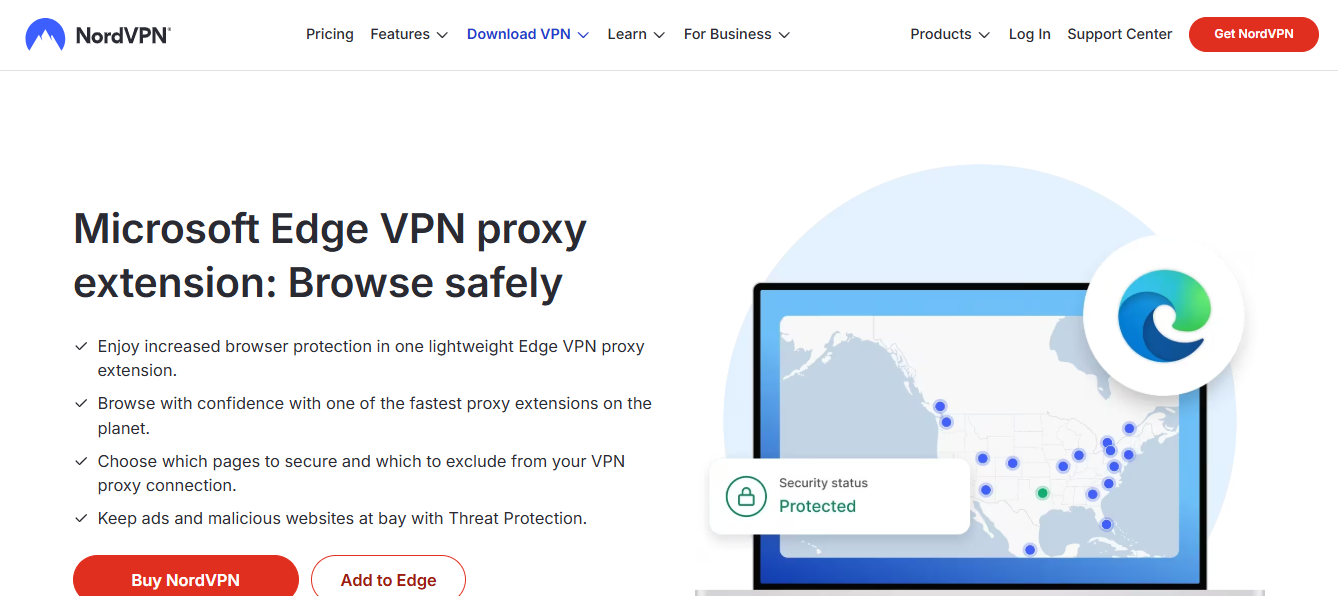
Yes. NordVPN has Edge-compatible extensions, and you can also configure it at the system level in Windows for full device protection.
# Will a VPN help me stream geo-blocked content in Edge?
A VPN can help you access region-restricted content if you choose a server in the desired country. However, streaming platforms sometimes block VPNs, so you may need to switch servers or use a provider known for working with streaming.
# How do I install a VPN extension in Edge?
Open Edge > Extensions > Get extensions from Microsoft Edge Add-ons > search for a VPN extension, install, sign in, and connect. Pin the extension to the toolbar for easy access.
# How do I set up a Windows VPN for Edge and everything else?
Install your VPN provider’s Windows app or use Windows Settings > Network & Internet > VPN > Add a VPN connection. Enter server details, choose a VPN type, configure sign-in info, save, and connect.
# Is Edge Secure Network enough for privacy?
Edge Secure Network adds an extra privacy layer on top of a VPN in certain plans, but it’s not a full replacement for a traditional VPN. Use it in combination with a reputable VPN for more comprehensive protection.
# Can I use a free VPN with Edge?
Free VPNs exist, but they often come with data caps, slower speeds, and limited privacy. If you’re serious about privacy and reliability, a paid VPN is usually a better choice.
# How do I troubleshoot VPN issues in Edge?
- Ensure the extension is updated and properly signed in
- Try a different server location
- Check for DNS leaks with a test site
- Reboot the browser or device
- If using Windows VPN, verify the server address and protocol in Settings
# Do I need to disable IPv6 for VPNs?
Some VPNs don’t handle IPv6 well, which can cause leaks or routing issues. If you experience problems, you can temporarily disable IPv6 in Windows networking settings and test again, or use a VPN with IPv6 support.
# Can a VPN protect me on public Wi-Fi only, or should I keep it on all the time?
For maximum privacy, keep it on when you’re on untrusted networks public Wi-Fi, cafes, airports. If you’re concerned about latency and you’re on a trusted network at home or work, you might selectively enable it depending on your activity.
# Are there privacy considerations beyond VPNs when using Edge?
Yes. While a VPN helps with IP masking and encrypted traffic, you should still enable Edge’s privacy features, block third-party cookies, limit ad personalization, and review site permissions to minimize data collection.
# How does the Edge VPN setup differ across Windows versions?
The core concepts are similar, but the steps may differ slightly between Windows 10 and Windows 11, especially for Windows settings navigation. Edge extensions usually work the same across versions, but system VPN setup may vary due to Windows UI changes.
# What should I look for in a VPN to pair with Edge?
- Strong encryption and a transparent privacy policy
- A no-logs claim and independent audits if available
- A robust kill switch and DNS leak protection
- A broad server network with fast, reliable neighbors
- A user-friendly Edge extension and responsive support
This long-form guide is designed to be your go-to resource for enabling and using a VPN in Microsoft Edge. Whether you prefer a lightweight Edge extension for quick privacy on your daily browsing or a system-wide VPN that protects every app, you now have clear, practical steps to get wired in and stay private. Remember, the right VPN configuration for Edge starts with understanding your needs—browser-only protection vs. full device coverage—and then choosing the route that matches your workflow, your streaming habits, and your privacy expectations.