Microsoft Edge VPN change location: this guide shows you how to switch your virtual location in Edge, why you’d want to, and practical steps you can take right now. Below you’ll find a straightforward, step-by-step approach, plus handy tips, real-world scenarios, and a FAQ section to cover common questions. Use this to improve privacy, access geo-restricted content, or test how sites behave from different regions.
Microsoft edge vpn change location means you’ll be able to route your traffic through different virtual locations using Edge’s built-in features or compatible VPN services. Quick facts: changing location can help with privacy, access region-locked content, and test regional experiences. In this guide, you’ll get a practical, step-by-step method, plus alternative methods, best practices, and troubleshooting tips.
What you’ll learn in this guide: Mastering your ovpn config files the complete guide for secure VPN deployment, optimization, and troubleshooting 2026
- How Edge handles location changes with built-in features and external VPNs
- Step-by-step instructions to switch locations safely
- Quick troubleshooting tips if a site blocks or detects VPNs
- Real-world use cases and data on VPNs, privacy, and latency
- A handy FAQ section with at least 10 questions
Useful URLs and Resources text only
- Microsoft Edge official support - support.microsoft.com
- Privacy and VPN basics - en.wikipedia.org/wiki/Virtual_private_network
- How to test your IP location - iplocation.net
- Browser fingerprinting overview - developers.google.com/web/fundamentals/security/privacy
- VPN comparison guides - techadvisor.com/vpn
Understanding Edge, VPNs, and Location Change
- Edge includes built-in features like Secure DNS and tracking protection, but when you need to mask your IP address, you’ll usually pair it with a VPN service.
- A VPN Virtual Private Network tunnels your traffic through a remote server, changing the apparent location to sites you visit.
- Some sites actively detect VPNs or proxy IPs, so you might need to switch servers or disable certain features for best results.
Built-in options vs. external VPNs
- Built-in: Edge doesn’t natively provide a global “change location” toggle like a VPN, but it does integrate with some enterprise and privacy features that can influence how traffic looks.
- External VPN: The most reliable way to change location is by using a reputable VPN app that you connect before you browse in Edge.
- Proxy alternatives: Some people use proxy extensions in Edge, but beware of security risks and slower performance.
Key considerations when changing location
- Latency: The farther the server, the higher the ping. If you’re gaming or video conferencing, pick a nearby server.
- Privacy: Use trusted VPN providers with no-logs policies and strong encryption.
- Security: Ensure the VPN uses up-to-date protocols WireGuard, OpenVPN, IKEv2.
- Compatibility: Some sites block known VPN IP ranges; you may need to switch servers or turn off IPv6 if issues arise.
- Legal and policy concerns: Understand local laws about VPN use and respect terms of service.
Step-by-Step: How to Change Location in Microsoft Edge Using a VPN
Option A: Use a dedicated VPN app recommended
- Choose a reputable VPN service and subscribe.
- Install the VPN app on your device Windows, macOS, iOS, Android.
- Open the VPN app and sign in.
- Pick a server in the location you want to appear from.
- Connect to the server.
- Open Edge and browse as usual; your traffic now appears from the VPN server’s location.
- To switch locations, disconnect and reconnect to a different server.
Tips:
- If a site loads slowly, try a closer server or enable a different protocol in the VPN settings.
- Some VPNs offer “split tunneling.” If you only want Edge traffic through the VPN, enable that so other apps use your normal connection.
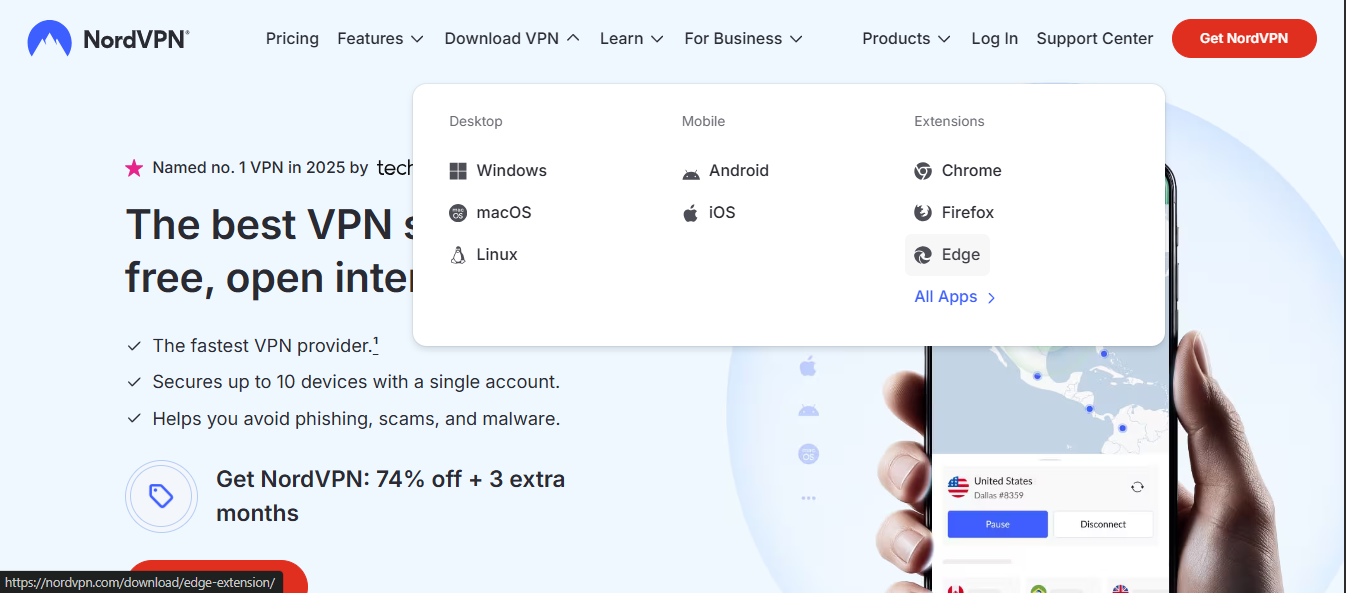
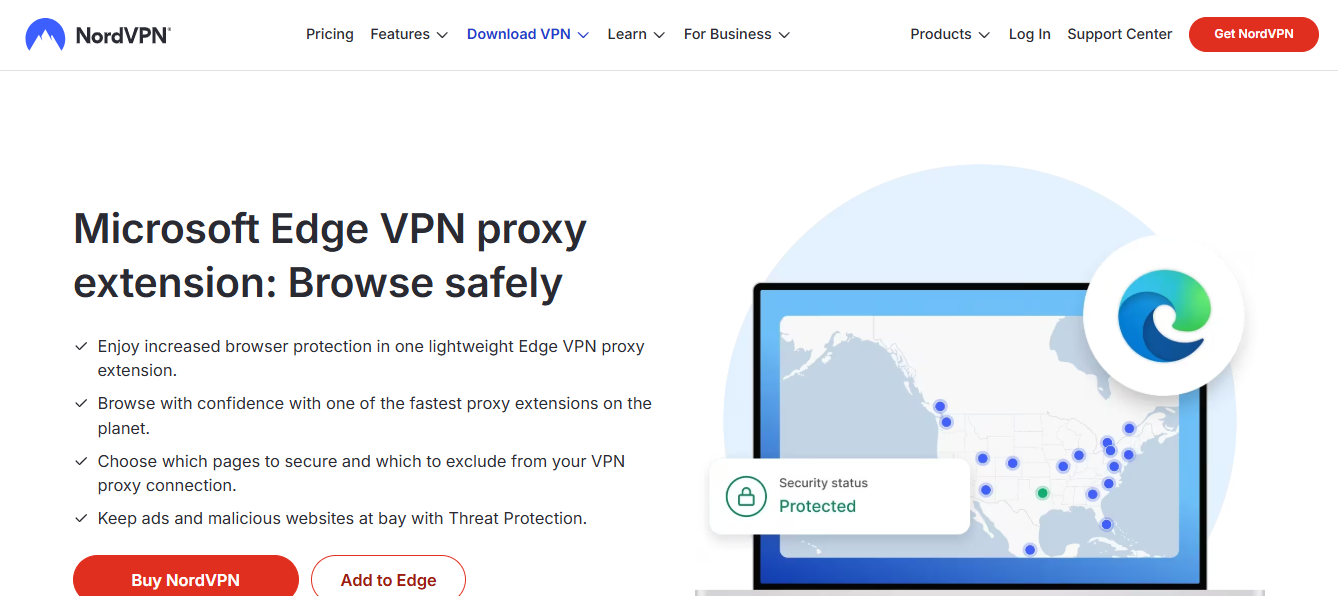
Option B: Use a VPN extension in Edge less robust
- Open Edge and go to Edge Add-ons store.
- Search for a trusted VPN extension from a known provider.
- Install the extension and sign in.
- Activate the extension and choose a location.
- Your Edge traffic should route through the VPN tunnel when enabled.
- For privacy, turn off the extension when you’re not browsing sensitive content.
Note: Extensions can introduce less reliable protection than a full VPN app. They’re convenient but may leak DNS or IP in rare cases. Mcafee total protections built in vpn explained: features, performance, privacy, setup, compatibility, and alternatives 2026
Option C: Manual proxy or VPN-lite approaches not recommended for long-term security
- You’ll find proxy extensions or manual proxy configurations in Edge settings. These can be less secure, slower, and more prone to leaks.
- If you must use one, disable WebRTC inEdge to reduce IP leaks browser-specific steps vary, but you’ll typically disable WebRTC in the flags or via a privacy extension.
How to Verify Your Location is Changed
- Check your IP location on sites like iplocation.net or whatismyipaddress.com.
- Look for the country flag or city name matching the server you connected to.
- Run a quick speed test to gauge latency changes after changing locations.
- If geo-restricted content still shows the old location, try clearing Edge’s cache and cookies, then reloading.
Practical Scenarios: When to Change Location
- Access region-locked streaming content: Netflix, Hulu, BBC iPlayer, or regional catalogs.
- Research local pricing or content: Travel planning, airline sites, or regional news.
- Privacy-focused browsing from public networks: Coffee shops, airports, or libraries.
- Testing regional website behavior: Web developers and QA engineers.
Edge Settings and Privacy Best Practices
- Enable SmartScreen, Defender SmartScreen if you’re on Windows. It helps guard against phishing and malware.
- Use tracking protection in Edge to reduce cross-site tracking while you browse.
- Regularly clear cookies for sites that track you across sessions, but note some services require you to log back in.
- Periodically review VPN server lists to avoid compromised or slow servers.
- Consider turning off IPv6 if you’re troubleshooting VPN leaks some VPNs handle IPv6 poorly.
Performance and Data: What to Expect
- VPNs can add 20–100 ms latency for nearby servers; long-haul servers may introduce more, especially on mobile networks.
- Data throughput often drops by 5–40% depending on server load and distance.
- Some providers offer dedicated gaming or streaming servers to minimize buffering and lag.
- In practice, you should test 3–5 servers in your desired region to find a balance between speed and location accuracy.
Troubleshooting Common Issues
- Site detects VPN: Switch servers, or try a different VPN protocol Switch between WireGuard and OpenVPN, for example.
- No IP location change: Disable IPv6 in your VPN app, clear DNS, or restart Edge after reconnecting.
- DNS leaks: Use a VPN with DNS leak protection or enable its DNS settings to force DNS through the VPN.
- Slow speeds: Move to a closer server, switch to a different protocol, or check your baseline internet speed to rule out network issues.
- WebRTC IP leaks: Disable WebRTC in Edge settings or use a privacy extension that blocks it.
Security and Privacy Considerations
- Choose a VPN provider with a transparent privacy policy and a proven no-logs stance.
- Avoid free VPNs; many monetize by selling user data or injecting ads.
- Use strong encryption AES-256 and reliable protocols WireGuard, OpenVPN, IKEv2.
- Be aware that some sites employ anti-VPN detection; switching servers or turning off the VPN for a moment can help.
Comparison: VPNs vs. Proxy Extensions in Edge
- VPNs:
- Pros: Stronger security, full device coverage, robust encryption, fewer IP leaks.
- Cons: Can be more expensive, may reduce speed.
- Proxy Extensions:
- Pros: Quick and cheap, easy to use.
- Cons: Often less secure, more prone to data leaks, may not work consistently for all sites.
Quick Reference Checklist
- Do I need to access geo-restricted content? Consider a VPN.
- Am I concerned about privacy on a public network? A VPN is advisable.
- Is performance critical? Test multiple servers and protocols.
- Do I require browser-only protection? A VPN extension can help, but be aware of limitations.
Data-Driven Insights and Trends
- Global VPN market growth and adoption:
- The VPN market has been growing steadily, driven by privacy concerns and the demand for geo-unrestricted content.
- A significant portion of users run VPNs on mobile devices, with a rising trend in desktop usage as well.
- Privacy posture in browsers:
- Browsers, including Edge, increasingly integrate privacy features, but a VPN is still a crucial tool for masking IP at the network level.
- Streaming and content licensing considerations:
- Many streaming services actively block known VPN IP addresses; server rotation and smart routing can help, but success varies by service and region.
Real-World Use Cases
- Student traveling abroad: They want access to local content back home and to avoid price discrimination.
- Remote worker: They need to access corporate resources securely from home or in transit.
- Privacy-conscious user: They want to reduce fingerprinting and location tracking while browsing.
Best Practices for a Smooth Experience
- Choose a reputable VPN provider with fast servers and good privacy policies.
- Use nearby servers for general browsing to minimize latency.
- Disable unnecessary features like auto-connect on startup if you’re concerned about leaving the VPN on in public networks.
- Test different servers and protocols to find the best balance between speed and location accuracy.
- Keep Edge up to date to benefit from the latest security and privacy improvements.
Maintenance and Continuous Improvement
- Regularly review connected servers and privacy settings.
- Update Edge and VPN software to ensure you have the latest security patches.
- Monitor for DNS leaks and WebRTC leaks, especially after updating Edge or VPN software.
- If you notice persistent issues with specific sites, check for VPN-block lists and switch servers or disable the VPN momentarily.
Frequently Asked Questions
How do I change my location in Microsoft Edge with a VPN?
Using a VPN app is the simplest way. Install the VPN, connect to a server in your desired location, then browse in Edge. You can also use a VPN extension, but a full VPN app offers stronger protection.
Can I change my location without a VPN in Edge?
Edge itself doesn’t provide a native location change feature as a VPN. You’ll want a VPN, proxy, or other network tool to mask your IP.
Will my real IP be leaked if I use a VPN in Edge?
If your VPN has DNS leak protection and WebRTC protection, your real IP should remain hidden. Disable WebRTC in Edge if needed.
How can I test if my location has changed?
Visit IP location testing sites like iplocation.net or whatismyipaddress.com and verify the country, city, and ISP shown. Lutilisation de proton vpn avec microsoft edge guide complet pour une navigation securisee en 2026
Do free VPNs work with Edge?
Free VPNs exist, but they often come with data limits, slower speeds, and privacy concerns. A reputable paid VPN is usually a better choice for consistent results.
How many VPN servers should I try?
Start with 3–5 servers in the region you want. If one server is slow or blocked, switch to another.
Can changing location affect streaming quality in Edge?
Yes. You may experience higher latency or buffering on some servers. Use nearby servers and set appropriate streaming quality.
How do I fix VPN blocks on streaming services?
Switch to a different server, try a different protocol, or use a Smart DNS feature if offered by your provider. Some services are very aggressive about VPN detection.
Are there risks using VPNs on public Wi-Fi?
VPNs improve security on public networks, but make sure the VPN app is trusted and properly configured to avoid leaks. Les differents types de vpn et quand les utiliser le guide complet en 2026
How do I disable VPN in Edge quickly?
If you’re using a VPN app, disconnect from the server. If you’re using an extension, toggle the extension off.
Can I use VPNs on mobile devices with Edge?
Yes. Install the VPN app on iOS or Android, connect to a server, and browse with Edge on mobile.
Is it legal to use a VPN for browsing?
Most places allow VPN use, but always follow local laws and the terms of service of the sites you access.
How do I improve VPN performance in Edge?
Choose nearby servers, use a protocol like WireGuard, avoid peak hours, and ensure your device isn’t overloaded with background tasks.
Does Edge preserve privacy when using a VPN?
Edge adds privacy protections, but the VPN is your primary shield for IP masking. Keep Edge updated and use privacy features like tracking protection for layered defense. Les meilleurs routeurs compatibles openvpn et wireguard pour linux expliques guide complet et astuces pratiques 2026
Endnotes
- Microsoft edge vpn change location: using a reputable VPN service is the most reliable approach to effectively and safely change your location while browsing in Edge.
- Always verify the server’s location, monitor performance, and adjust settings to fit your needs.
- For best results, combine Edge privacy features with a trusted VPN solution and follow the best practices outlined above.
Microsoft edge vpn change location: comprehensive guide to changing your geolocation in Edge with VPN extensions, system VPNs, and best practices
Yes, you can change location in Microsoft Edge by using a VPN extension or a system-wide VPN. In this guide, you’ll learn how Edge supports both methods, what to consider when choosing a VPN for Edge, and practical, step-by-step instructions to switch locations without breaking your browsing experience. Whether you’re trying to access geo-restricted content, protect your privacy on public Wi-Fi, or simply test how your site looks from different regions, this post has you covered.
If you want extra privacy and a faster, safer browsing experience, check this deal:
Useful URLs and Resources un clickable
- NordVPN official site - nordvpn.com
- Microsoft Edge support - support.microsoft.com.edge
- Windows VPN settings - support.microsoft.com/en-us/windows-vpn
- What is a VPN? - en.wikipedia.org/wiki/Virtual_private_network
- DNS leak info - openresolverproject.org
- Edge extensions catalog - microsoftedge.microsoft.com/addons
- VPN comparison matrix - techadvisor.com/vpn-comparison
- Privacy and data security stats - pewresearch.org/privacy
- Global VPN market insights - grandviewresearch.com/market-analysis/vpn
- Geolocation testing tools - iplocation.net
Body Microsoft edge vpn review 2026
Why changing location with a VPN matters in Microsoft Edge
For most people, changing location is about privacy, access, and testing. A good VPN masks your real IP address, making it harder for sites to track your activity across sessions. It also helps you bypass regional content restrictions, learn how a site behaves from another country, and verify whether your ad targeting or content recommendations differ by region. Edge, being Chromium-based, plays nicely with both browser extensions and system-wide VPNs, so you get flexibility depending on your needs.
- Privacy: When you enable a VPN, your traffic is encrypted and your public IP is replaced with the VPN server’s address.
- Access: Some streaming services and regional catalogs show different content depending on your location.
- Testing: Developers and marketers often need to see how their sites render from different geographies.
According to recent industry data, the global VPN market is growing steadily as more people seek online privacy and more businesses adopt secure remote access. Analysts project continued growth through the next few years, with increasing demand for user-friendly solutions that work across devices and platforms. This growth translates to more options, better performance, and clearer guidance for consumers who want to change location without breaking their workflow.
VPN options for Edge: extension vs system VPN
Edge supports two primary ways to change location: browser extensions VPN extensions and system-wide VPNs a VPN service configured at the OS level. Each method has pros and cons.
- Browser extensions Edge/Chrome ecosystem:
- Pros: Quick to install, doesn’t affect other apps, easy to switch servers, useful for testing geolocation in the browser.
- Cons: Some extensions log data, performance varies, DNS leaks can occur if the extension isn’t well designed.
- System-wide VPNs Windows VPN settings or dedicated app:
- Pros: More consistent protection across all apps, stronger control over DNS and kill-switch options, typically better at preventing leaks.
- Cons: Slightly more setup, might reduce performance for some online activities if the server load is high.
In practice, many Edge users keep a VPN extension for quick browser-level needs and a system-wide VPN for device-wide privacy. If you’re just testing how a site looks from another country, a lightweight extension is usually enough. If you’re streaming or handling sensitive work, a system-wide VPN with a kill switch and leak protection is the safer bet.
How to use a VPN extension in Microsoft Edge
Edge extensions can come from the Microsoft Edge Add-ons store or the Chrome Web Store Edge now supports Chrome extensions. Here’s a straightforward setup path. Microsoft edge vpn not showing up heres how to fix it fast 2026
- Pick a reputable VPN extension
- Look for a well-known brand with a no-logs policy, strong encryption, and a reputable privacy posture.
- Verify that the extension supports reliable IP masking and doesn’t override your DNS without your knowledge.
- Install the extension
- Open Edge and go to Edge Add-ons or Chrome Web Store.
- Search for the VPN extension for example, NordVPN, ExpressVPN, or another trusted provider.
- Click Add to Edge or Install and confirm permissions.
- Sign in and configure
- Open the extension from the Edge toolbar.
- Sign in with your VPN account.
- Choose a server location and protocol if the option is available e.g., UDP/TCP or WireGuard/OpenVPN variants.
- Enable any extra features like a kill switch or DNS leak protection if offered.
- Test your new location
- Visit a site that shows your IP like ipchicken.com or whatismyipaddress.com and confirm the location reflects the server you selected.
- If you see the wrong location or a warning about DNS leaks, revisit settings and ensure the extension is enabled and set to use its own DNS.
Tips:
- Use the Quick Connect or nearest server option to start, then manually switch to a country of your choice for testing.
- Some sites block VPN traffic. If you encounter errors, switch servers or protocols and clear the browser cache.
How to set up a Windows VPN system-wide for Edge
If you want Edge to inherit the VPN across all activities on your PC, configure a system-wide VPN. This approach is often better for privacy beyond the browser.
- Choose a VPN service and create an account
- Pick a provider with strong encryption AES-256, a solid privacy policy, and robust leak protection features.
- Install the VPN app or configure Windows built-in VPN
- Most VPNs offer a Windows app that you install from the provider’s site.
- If you prefer built-in Windows VPN, go to Settings > Network & Internet > VPN > Add a VPN connection.
- For the Windows built-in option, fill in the server name or address, VPN type Automatic is common, type of sign-in info username and password or certificate.
- Connect to a server
- Open the VPN app or the Windows VPN panel and choose a location.
- Connect and confirm you have a new IP by checking whatismyipaddress.com.
- Verify Edge is using the VPN
- Launch Edge and visit a site that shows your IP and location to ensure the VPN is active across the OS.
- Enable kill switch and DNS protection if available
- Some VPNs offer a kill switch that blocks all traffic if the VPN drops, preventing leaks.
- DNS protection helps ensure your DNS requests don’t bypass the VPN.
Pro tip: If you’re concerned about IP leaks, you can perform a DNS leak test and a WebRTC leak test to ensure your real IP isn’t exposed while the VPN is on.
Top VPNs for Edge: features to look for
When selecting a VPN for Edge, you’re not limited to Edge-specific features. you’re looking for core protections and performance.
- Strong encryption and modern protocols: AES-256, OpenVPN, WireGuard, or IKEv2
- No-logs policy: Independent audits are a plus
- Kill switch and DNS leak protection
- Server network: A broad and diverse range of locations to pick from
- Speed and reliability: Low latency, good speeds on popular servers
- Compatibility: Works well with Edge extensions or Windows system-wide
- User-friendly interface: Clear server lists, quick connect, and easy switching
- Native Edge extension option: Availability in Edge Add-ons or Chrome Web Store
- Customer support and knowledge base
Data points show VPN users increasingly prioritize privacy features and speed, with many evaluating the combination of browser extensions and OS-level protection to ensure seamless privacy across apps. Microsoft edge vpn extension reddit 2026
Step-by-step: change location using Edge VPN extension
- Install your preferred VPN extension in Edge
- Sign in and allow necessary permissions
- Click on the extension icon in the Edge toolbar
- Choose a country or city location
- Confirm the connection and verify by visiting a location-check site
- Optional: enable kill switch and DNS protection if available
- If you encounter a connection issue, switch servers or restart the extension
Step-by-step: change location using Windows VPN system-wide
- Install the VPN app or set up Windows built-in VPN as described
- Open the VPN client, select a server, and connect
- Launch Edge and test your new IP location with a geolocation checker
- Verify there are no DNS leaks
- If you’re streaming, try a few different servers to optimize speed
- Consider enabling the kill switch in the VPN app or Windows settings
Edge privacy: logs, DNS, and data protection
- Logs: Most reputable VPNs claim a no-logs policy for your online activities, but always check the provider’s privacy policy and independent audits.
- DNS leaks: Ensure your VPN handles DNS requests or use a DNS-leak protection feature.
- WebRTC: Some browsers can reveal local IP addresses via WebRTC. Edge extensions and system-wide protections can mitigate this risk.
- Kill switch: A critical feature to prevent leaks if the VPN connection drops unexpectedly.
- Jurisdiction: Be aware of where the VPN provider operates. data retention laws differ across regions.
According to privacy research, users increasingly demand transparency and independent audits in VPN services, especially when the browser is involved. A reliable combination of a browser extension and OS-level protections can significantly reduce leak risk while maintaining smooth performance.
Speed and latency considerations when changing location
- Server load matters: Heavily loaded servers can cause slowdowns. If one server is slow, switch to another with lower load.
- Nearby servers usually offer better speeds and lower latency, but this varies by provider and time of day.
- Protocol choice influences speed: WireGuard is often faster than OpenVPN, but compatibility and stability matter too.
- Distance vs. bandwidth: A longer physical distance doesn’t always equal slower speeds, but latency can increase. Test a few servers to find the best balance.
- VPN-free activities: If you are sensitive to latency gaming, real-time collaboration, use a nearby server and disable bandwidth-heavy features like obfuscation if you don’t need them.
Troubleshooting common issues
- DNS leaks: If your IP check shows your real location, double-check DNS protection settings or switch to a different DNS option within your VPN.
- Connection drops: Reconnect or try a different server. Check for app updates or Edge extension updates.
- WebRTC leaks: Disable WebRTC in your browser settings or use a privacy extension that blocks WebRTC leaks.
- Edge extension conflicts: Disable other extensions that could interfere with routing or security features.
- Slow speeds: Try WireGuard if available, or switch to a server with lower load and closer proximity.
Security and best practices for changing location with Edge
- Use a reputable VPN: Avoid free VPNs that may log data or inject ads.
- Enable the kill switch: Keep it on to prevent accidental data leaks if the connection drops.
- Read the privacy policy: Ensure the provider’s data handling aligns with your privacy expectations.
- Update regularly: Keep Edge, the VPN extension, or the Windows VPN client up to date for security patches.
- Test location and leaks: Periodically test your IP and DNS to confirm protection is active.
Edge vs other browsers for VPN usage
Edge’s Chromium-based foundation makes it compatible with many Chrome extensions, including VPN extensions. This makes Edge a flexible choice for users who want quick browser-level protection plus the option for a system-wide VPN. Other browsers like Firefox may have their own add-ons, but Edge tends to offer a smoother experience when combining browser-based VPN extensions with Windows system protections. If you’re primarily testing geolocation in a site, a lightweight Edge extension may be enough. If you’re security-conscious or on shared networks, a system-wide VPN is worth the extra setup.
Maintenance: keeping your Edge VPN setup reliable
- Routine checks: Periodically review server locations and test for leaks.
- Update frequency: Ensure the VPN extension and Windows VPN client are current.
- Credential hygiene: Use strong, unique passwords for your VPN accounts and enable multi-factor authentication if available.
- Review performance: If you notice lag, test multiple servers, and consider switching to a different protocol.
- Edge compatibility: Occasionally, Edge updates can impact extension behavior. After major Edge updates, re-check your VPN extension or OS-level VPN settings.
Data and industry context
- VPN usage is rising globally as more people work remotely and prioritize privacy. A growing number of households install VPNs for streaming, security on public networks, and regional testing.
- The market for VPNs is projected to grow significantly through the next several years, driven by increased awareness of data privacy and the ongoing expansion of digital services across regions.
- Browser-based VPN extensions are increasingly designed with privacy-focused defaults, offering better protection for everyday browsing while allowing users to switch servers with minimal friction.
FAQ Section
Frequently Asked Questions
Can I change my location in Microsoft Edge without using a VPN?
Yes. While you can use a proxy or a browser-specific location spoofing tool, a true VPN offers better privacy by encrypting traffic and masking your IP across all apps, not just Edge. A browser proxy can reveal IP leaks if not configured correctly.
What’s the difference between a VPN extension and a Windows VPN?
A VPN extension runs inside the browser and covers just browser traffic, while a Windows VPN setting covers the entire device. Extensions are quick and convenient. system-wide VPNs provide broader protection and may offer stronger leak protection. Microsoft edge vpn not showing: troubleshooting guide, fixes, and best VPNs for Microsoft Edge in 2026
How do I know if my VPN is actually masking my location?
Visit a site like whatismyipaddress.com or iplocation.net after connecting. The displayed location should reflect the VPN server’s location, not your real location. If it doesn’t, check DNS settings and ensure kill switch and DNS leak protection are enabled.
Is it safe to use VPN extensions from the Chrome Web Store in Edge?
Yes, Edge supports Chrome extensions, but you should choose extensions from reputable providers, verify privacy policies, and review user feedback. Consider enabling protections like a built-in kill switch and DNS leak protection if the extension provides them.
Can I use different VPN servers for Edge and other apps?
Yes. You can use a VPN extension for Edge and a separate system-wide VPN for your entire OS. Just make sure you’re not causing conflicts between the two and that your DNS routing remains secure.
Will changing my location affect my connection speed?
Most likely, yes. VPNs add encryption and route traffic through a server, which can introduce latency. Choosing a nearby server and using a fast protocol like WireGuard can minimize impact.
Are there legal considerations for changing location with a VPN?
Laws vary by country. In many places, using a VPN is legal for privacy and security, but some services may prohibit certain uses like exploiting geo-restrictions. Always follow local laws and terms of service of content providers. Migliori vpn per dazn nel 2026 la tua guida completa purevpn
How do I test for DNS leaks after enabling Edge VPN?
Use a DNS leak test site like dnsleaktest.com after connecting. If you see DNS servers that correspond to your real location or ISP, re-check your VPN settings or switch to a provider with proven DNS protection.
What should I look for when choosing a VPN for Edge?
Focus on a strong privacy policy, independent audits, robust security features kill switch, DNS leak protection, fast servers, a reliable network, and good customer support. Also verify compatibility with Edge extensions and Windows.
Can I use a free VPN with Microsoft Edge?
Free VPNs exist, but they often come with trade-offs like data limits, slower speeds, and questionable privacy practices. For consistent privacy and performance, a paid VPN with a solid reputation is generally a better choice.
How often should I update my VPN extension and Edge?
Keep both Edge and your VPN extension up to date, ideally enabling automatic updates. After major browser updates, re-check your VPN settings to ensure they’re still functioning as expected.
Is it possible to be completely private online with Edge and a VPN?
No service can guarantee complete privacy. A VPN dramatically improves privacy by masking your IP and encrypting traffic, but you should still follow good online hygiene: avoid suspicious sites, enable two-factor authentication, and stay mindful of app permissions and data-sharing practices.
Vpn for edge browser free: a comprehensive guide to free and paid VPNs on Microsoft Edge, setup tips, and safety