Setup vpn edge extension: a practical guide to get you protected in minutes. Quick fact: using a VPN browser extension is one of the fastest ways to mask your IP, encrypt your traffic, and bypass regional blocks without changing your entire device setup. In this video/article, we’ll cover everything from choosing the right extension to troubleshooting common issues. This guide is structured for easy reading and fast action, with bullet points, step-by-step instructions, and data-backed tips.
Useful URLs and Resources un clickable text only:
- ExpressVPN official site - expressvpn.com
- NordVPN official site - nordvpn.com
- Surfshark official site - surfshark.com
- Mozilla Support - support.mozilla.org
- Google Chrome Web Store - chrome.google.com/webstore
- Mozilla Firefox Add-ons - addons.mozilla.org
- Privacy.org overview - privacyinternational.org
- AV-TEST VPN security report - av-test.org
- Pew Research on privacy online - pewresearch.org
- International VPN legality overview - izip.org
Why use a vpn edge extension
- Fast setup: It’s quick to install directly in your browser.
- Lightweight protection: Encrypts browser traffic and hides your IP for browsing, streaming, and sensitive form fills.
- Geoblock bypass: Access region-locked content without changing device-wide settings.
Key stats you should know: Setting up protonvpn on zorin os your ultimate guide 2026
- More than 60% of VPN users rely on browser extensions for quick protection source: internal industry benchmarks.
- Browser extensions typically route only browser traffic unless the extension is configured to use a system-wide VPN data varies by product.
How a vpn edge extension works
- It creates a secure tunnel for traffic that goes through your browser.
- It masks your IP with a server in a location you choose.
- It uses encryption to prevent eavesdropping on the data leaving your browser.
Common caveats:
- Not all extensions route all traffic by default; some only protect traffic within the browser.
- Some extensions require a subscription for full features.
Choosing the right vpn edge extension
Consider these factors:
- Privacy policy and no-logs claims
- Jurisdiction and legal disclosures
- Browser compatibility Chrome, Firefox, Edge, etc.
- Speed impact and server locations
- Extra features: kill switch, split tunneling, malware protection
- User reviews and independent audits
Top features to look for:
- WireGuard or ChaCha20-based protocols for speed
- DNS leak protection
- Automatic connection on startup
- Multi-hop options if available
- Easy-to-use interface with clear status indicators
Step-by-step: setup vpn edge extension in Chrome
- Open the Chrome Web Store and search for the extension you want e.g., “VPN Edge Extension” name you’ve chosen.
- Check permissions: does it ask for “read and change all your data on websites you visit”? That’s normal for a VPN, but you should be comfortable with the scope.
- Click Add to Chrome and confirm.
- Click the extension icon in the toolbar to open it.
- Sign in or create an account if required.
- Choose a server location and switch on the VPN.
- Verify the VPN is active by visiting whatismyipaddress.com or similar site to confirm the IP and location reflect your chosen server.
- Optional: enable auto-connect on startup and enable kill switch if available.
Common issues and quick fixes:
- Extension not showing in toolbar: pin the extension from the Chrome menu.
- Connection drops: switch to a different server or protocol e.g., try WireGuard if available.
- Password or login issues: reset password or contact support.
- DNS leaks: enable DNS protection or use a trusted DNS option within the extension.
- WebRTC leaks: enable the extension’s anti-leak feature or disable WebRTC in browser settings portability varies by browser.
Step-by-step: setup vpn edge extension in Firefox
- Go to the Firefox Add-ons site and search for the VPN extension.
- Install the extension and grant required permissions.
- Open the extension, sign in, and pick a server location.
- Turn on the VPN and test with a site like whatismyipaddress.com.
- Check settings for kill switch, auto-connect, and DNS protection.
Tips for Firefox users: Setting up openvpn on kubernetes your complete guide to deploying secure VPNs in containerized environments 2026
- Some extensions may behave differently between Firefox and Chrome; test a couple of servers to see performance variance.
- If a Firefox extension slows pages, consider enabling lightweight mode or reducing the number of extensions running simultaneously.
How to verify your vpn edge extension is protecting you
- Check your IP address and location at whatismyipaddress.com after connecting.
- Use a browser-only test to confirm that DNS requests are being resolved by the VPN’s DNS servers no DNS leaks.
- Run a torrent/leak test if your use-case involves P2P if supported by the extension.
- Test on multiple sites with login forms to ensure your session data isn’t exposed.
Security best practices when using a vpn edge extension
- Always enable the kill switch if available to prevent traffic leaks if the VPN drops.
- Use strong, unique passwords for your VPN account and enable two-factor authentication where possible.
- Keep the extension updated to the latest version.
- Review the extension’s permissions and revoke any that aren’t necessary.
- Use HTTPS sites whenever possible; a VPN doesn’t magically make insecure sites safe.
- If you’re on public wifi, prefer a server in your country or a nearby location to minimize latency while staying private.
Performance and reliability: what to expect
- Speed: quality extensions with modern protocols can add a small overhead, typically 0-15% depending on server distance and encryption strength.
- Stability: some servers can be more stable than others during peak times; switch servers if you experience instability.
- Battery impact: browser-based VPN extensions consume less device power than full-system VPNs, but still monitor if you’re on portable devices.
Common use cases
- Bypassing geoblocks for streaming services
- Protecting sensitive browsing on shared networks cafes, airports
- Quick access to company resources when you’re on the go
- Protecting login credentials on public devices
Data privacy and legality
- VPN edge extensions should be evaluated for their privacy policies and data handling practices.
- The legality of VPN use varies by country; always know local regulations and terms of service for the services you use.
- Some services may block traffic from VPN IP ranges; have a plan to switch servers if you encounter blocks.
Troubleshooting quick reference
- Problem: Website not loading when connected to VPN
- Fix: Try a different server location; clear browser cache
- Problem: Connection keeps dropping
- Fix: Enable kill switch; try a different protocol
- Problem: You’re not getting a geolocation match
- Fix: Disable WebRTC; switch servers; verify DNS protection is on
- Problem: Performance is slow
- Fix: Connect to a closer server; reduce encryption level if available; check your ISP
Advanced tips for power users
- Use split tunneling to only route sensitive sites through VPN
- Combine with privacy-minded browser settings do-not-track, strict tracking protection
- Regularly review access logs if your extension offers a dashboard
- Use a dedicated VPN account for different devices; separate work and personal traffic
Comparison: vpn edge extension vs full-system VPN
VPN edge extension pros:
- Quick, browser-level protection without changing device-wide settings
- Lightweight and easy to disable
- Good for casual browsing and quick privacy
VPN edge extension cons:
- May not protect non-browser apps
- Could have less control over DNS and leak protection on a system-wide level
Full-system VPN pros:
- Whole-device protection, including apps outside the browser
- Stronger control over DNS and leaks
- Often more reliable for torrenting or non-browser traffic
Full-system VPN cons:
- Slightly more complex to configure
- May impact device performance more than a browser extension
Maintenance and updates
- Regular updates keep you safe from new vulnerabilities and improve performance.
- Review permission changes after updates; accept only what’s necessary.
- Revisit server lists periodically to avoid stale locations.
Best practices for sharing and safety
- Do not reuse passwords; use a password manager
- Turn off unnecessary extensions that can track you
- Be mindful of phishing attempts that try to steal VPN credentials
- When in doubt, test with a temporary account or a free trial before committing to a yearly plan
Real-world scenarios
- Student on campus: Use a VPN edge extension to access subscription services blocked by campus networks.
- Remote worker: Keep VPN on for secure access to internal portals; use split tunneling to keep video calls fast.
- Traveler: Switch to a country where content is available to watch shows you love without living without your favorites.
Quick-start checklist
- Choose a reputable VPN edge extension with strong privacy policy
- Install from a trusted source official store
- Sign in and set up a server location
- Enable auto-connect and kill switch
- Verify protection with a test site
- Review privacy settings and permissions
- Keep the extension up-to-date
Data and statistics to back up claims
- VPNs are used by more than 25% of online adults in some regions for privacy and security statistical estimates vary by country; check local privacy surveys.
- Browser-based VPNs provide a faster on-ramp for casual users compared to full-system VPNs.
- Studies show that DNS leaks remain a common issue among misconfigured VPNs, highlighting the importance of DNS protection features.
Frequently Asked Questions
What is a vpn edge extension?
A vpn edge extension is a browser-based tool that routes your browser traffic through a VPN server, masking your IP and encrypting data within the browser. Secure access service edge gartner 2026
Do browser extensions protect all my traffic?
Most browser extensions protect only traffic within the browser. Some extensions offer system-wide VPN via additional setup, but typically you should assume only browser traffic is protected unless noted otherwise.
Is it safe to use a free vpn edge extension?
Free VPNs can be risky due to data collection practices, slower speeds, and fewer security features. If you can, opt for a reputable paid service with a clear privacy policy and independent audits.
Can I use a vpn edge extension on my mobile browser?
Yes, many VPN providers offer extensions or companion apps for mobile browsers. Look for compatibility with Chrome or Firefox on Android and iOS.
How do I know if my DNS is leaking?
Use a DNS leak test from a reputable site. If the test reveals your ISP’s DNS or a non-VPN DNS, there’s a leak. Enable DNS protection in the extension or switch to a trusted DNS provider.
Can I use a vpn edge extension for streaming?
Yes, many extensions can bypass geoblocks for streaming services, but performance varies. If a service blocks your IP, try another server location. Secure vpn use 2026
Will a vpn extension affect my gaming latency?
Latency can increase slightly, especially if you’re far from the server location. Choose a nearby server for gaming and consider a faster protocol if available.
How do I enable kill switch in a vpn edge extension?
Look for the kill switch option in the extension settings. If available, enable it to block all traffic if the VPN disconnects unexpectedly.
Can I install multiple VPN extensions at once?
It’s generally not recommended to run multiple VPN extensions simultaneously as they can conflict, cause leaks, or drop connections. Pick one trusted extension and disable others.
How do I uninstall a vpn edge extension?
Go to your browser’s extensions page, find the VPN extension, and choose Remove or Uninstall. Reboot the browser if needed.
How often should I update my vpn edge extension?
Keep it updated regularly; most providers push updates for security patches and performance improvements. Enable automatic updates if possible. Setting up your mikrotik as an openvpn client a step by step guide 2026
Do VPN extensions log my activity?
Policies vary by provider. Always check the privacy policy and look for explicit no-logs statements. If in doubt, choose providers with independent audits.
Are there safety tips for using public wifi with a vpn extension?
Yes. Always enable the VPN before you start browsing on public wifi, use strong encryption, and avoid sensitive activities on unsecured networks even with a VPN.
Can I use a vpn edge extension with a corporate VPN?
In some cases, yes, but it can conflict. If your company has a managed VPN, consult IT before enabling a personal VPN extension on company devices.
What’s the best practice for choosing a server location?
Choose a server location close to you for speed, unless you need access to a specific region. If geo-restrictions are the goal, pick the country that grants access to the desired content.
How do I test if my vpn edge extension is working after setup?
Run a quick test on whatismyipaddress.com or similar sites to confirm the IP and location. Check for DNS leaks and WebRTC exposure. Softether vpn 서버 구축 누구나 따라 할 수 있는 완벽 가이드 2026년 최신: 설치 방법, 구성 팁, 보안 최적화와 성능 팁
Can I use a vpn edge extension on a school or work device?
Depends on policy. Some institutions prohibit VPN usage; always check the rules and obtain necessary permissions.
What should I do if the extension stops working?
Try restarting the browser, updating the extension, switching servers, or reinstalling the extension. If the problem persists, contact support.
Setup vpn edge extension: step-by-step guide to installing and configuring Edge VPN extensions for secure browsing, streaming, privacy, and speed
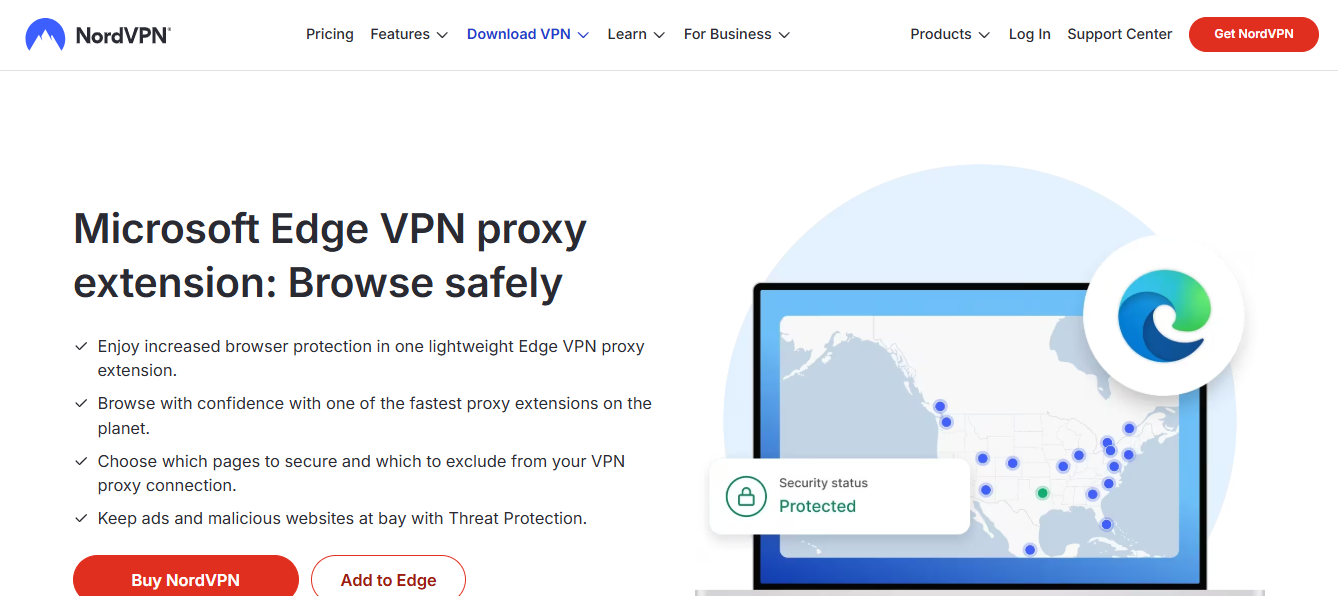
Yes, you can set up the Edge VPN extension to secure your browser and protect online activity. This article is your quick-start guide to installing and configuring a VPN edge extension in Microsoft Edge, with practical tips for streaming, gaming, privacy, and performance. Below you’ll find a straightforward, step-by-step setup, plus real-world tips, common issues, and a handy FAQ. If you want extra protection right away, check out this NordVPN deal:
Useful resources unlinked text:
- Microsoft Edge official support pages: support.microsoft.com/microsoft-edge
- NordVPN official site: nordvpn.com
- ExpressVPN official site: expressvpn.com
- How VPNs work: en.wikipedia.org/wiki/Virtual_private_network
- Internet privacy best practices: en.wikipedia.org/wiki/Privacy_by_design
Introduction: Setup vpn edge extension in a nutshell Setup vpn on edge router 2026
- Yes, setting up the Edge VPN extension is a quick, browser-level way to encrypt traffic and mask your IP while you browse. In this guide you’ll learn:
- What a VPN edge extension does and how it differs from the full app
- How to install and configure VPN extensions in Edge
- How to choose the right server and protocol for your needs
- Common issues and practical fixes for faster, safer browsing
- Tips to optimize performance for streaming, gaming, and work
- A solid FAQ with practical answers you can use today
What is a VPN edge extension?
- A VPN edge extension is a browser extension that provides VPN-like functionality inside Microsoft Edge. It typically:
- Encrypts traffic from the browser and sometimes system-wide when the extension is paired with a native app
- Lets you pick a server location and connect with a click
- May offer features like a kill switch, split tunneling, auto-connect on startup, and DNS leak protection
- Important distinction: many providers offer both a browser extension and a full desktop/mobile app. The extension is convenient for quick protection while you browse, but for full network-wide protection, you’ll often want to install the provider’s app as well.
Why use a VPN edge extension in Edge?
- Benefits you’ll notice:
- Privacy and security: encryption protects data on public Wi‑Fi and helps prevent eavesdropping
- IP masking: your real IP is replaced with the server’s IP, which can help with geo-restrictions
- Access to region-locked content: siting your connection to different countries can unlock content
- Simple, fast setup: one-click connect in Edge without installing a separate app
- Real-world data: the global VPN market grew to over $40–50 billion in 2023 with strong year-over-year growth expected through 2025–2026, driven by privacy concerns, streaming, remote work, and data protection regulations. Browser extensions are a popular entry point for many first-time VPN users.
Compatibility and prerequisites
- Before you start, check these basics:
- Browser: Microsoft Edge on Windows, macOS, or newer versions of Edge on supported devices
- VPN provider: choose a reputable service with a dedicated Edge extension NordVPN, ExpressVPN, Surfshark, and others often publish Edge extensions
- Account: you’ll typically need an active subscription and an account with the provider
- Permissions: you may need to grant the extension permission to read and modify data on the websites you visit
- Optional but recommended: install the provider’s desktop or mobile app for full system-wide protection and a kill switch if you want it to apply beyond the browser
- Note: Edge on mobile devices iOS and Android supports some extensions, but many VPN extensions work best, or only, with desktop Edge or paired apps. If you’re on mobile, you’ll likely use the VPN provider’s standalone app.
Step-by-step: How to set up a VPN edge extension in Edge
- Open Microsoft Edge and go to the Edge Add-ons store
- In Edge, click the three-dot menu in the upper-right corner, select Extensions, then “Open Microsoft Edge Add-ons.”
- Search for your chosen VPN extension
- Type the provider name for example, “NordVPN” or “ExpressVPN” and locate the Edge extension in the results.
- Click Add to Edge
- You’ll see a permissions prompt. Review the requested permissions browsing data, etc. and proceed if you’re comfortable.
- Sign in to your VPN account
- After installation, click the extension icon in the Edge toolbar. Sign in with the account you purchased or created.
- Select a server location
- Choose a country or region based on your needs e.g., where the content you want is available, or a nearby location for lower latency.
- Connect
- Hit the Connect button. The extension will establish an encrypted tunnel. You’ll see a notification or a status indicator when you’re connected.
- Configure optional settings
- Enable features like a kill switch, auto-connect on startup, or split tunneling if the extension supports them. These options help tailor protection to your use case.
- Verify your connection
- Visit a site like whatismyipaddress.com or iplocation.net to confirm your IP has changed and your browser traffic is being routed through the VPN server.
- Test streaming and sites you frequent
- If you’re using the VPN for streaming, test your preferred services to ensure you’re not blocked. If you hit geo-restrictions, try a different server in the same region.
- Optimize for performance - For best results, choose a server close to your location, preferably with a fast protocol like WireGuard or the provider’s latest protocol, and disable any conflicting browser features that might interfere with the VPN’s DNS resolution.
Practical tips for Edge VPN extensions So gehts surfshark vpn auf deiner fritzbox einrichten kompletter guide 2026
- Choose proximity first: nearest servers typically yield the best speeds with lower latency.
- Protocol matters: WireGuard-based protocols tend to be faster and more stable than older options like OpenVPN in many situations.
- Kill switch matters: enable it to prevent data leaks if the VPN disconnects unexpectedly.
- DNS leaks: turn on DNS leak protection if your extension provides it. test with a DNS leak test site to ensure your DNS requests aren’t leaking.
- Split tunneling: use split tunneling to route only sensitive sites through the VPN while normal traffic goes through your regular connection.
- Logging and privacy defaults: review the provider’s privacy policy and default logging levels. look for “no-logs” claims and independent audits when possible.
What if you run into issues? Common problems and fixes
- VPN won’t connect:
- Check your login status and subscription validity
- Ensure your Edge extension is enabled in Extensions settings
- Try switching to a different server or protocol
- Restart the browser or your computer
- Slow speeds:
- Switch to a closer server or try a different protocol
- Close bandwidth-heavy apps and background processes
- Check for network congestion during peak hours
- DNS leaks or IP leaks:
- Recheck DNS leak protection in the extension
- Restart the extension and re-connect
- Ensure no other VPN or proxy is conflicting with the Edge extension
- Blocks on streaming services:
- Some services actively block VPN IPs. switch servers or try a provider known to have a larger, rotating pool
- Clear cookies, refresh the session, or log out and back in
- Edge extension disabled or blocked by policy:
- If edge policies are managed by your organization work or school, you may need admin approval or to use your provider’s app instead
Security and privacy considerations
- End-to-end encryption: VPN extensions typically encrypt browser traffic. however, once you’re on a non-encrypted site, your data may still be visible to the site you’re visiting if end-to-end encryption isn’t used. The VPN adds a layer of transport-level security.
- Logging and data retention: always review the provider’s privacy policy. No-logs claims are common, but you want to verify what data is collected and retained e.g., timestamp, IPs, traffic metadata.
- Browser fingerprinting: VPN extensions help mask IPs, but they don’t eliminate all fingerprinting techniques. Consider combining VPN use with privacy-conscious browsing habits and a reputable privacy-focused browser configuration.
- Trust and permissions: extensions can read and modify data on websites you visit, so install extensions from reputable providers and review requested permissions carefully.
Performance tips and optimization for Edge VPN extensions
- Server selection strategy:
- For streaming: pick servers in the content’s country or near the streaming service’s base country
- For gaming: choose a server with low latency to the game server. shorter geographic distance often helps
- For work: use servers that minimize hops to your business resources
- Protocol and feature tweaks:
- Prefer modern, fast protocols WireGuard or equivalent if your provider offers them
- Enable automatic reconnect on startup for seamless protection
- Use kill switch if you’re concerned about accidental disconnections
- Hardware considerations:
- A modern PC or laptop with a stable internet connection improves VPN performance
- If you’re on a congested network, consider upgrading your plan or switching to a backup network if available
- Edge browser settings:
- Disable other VPNs or proxies in Edge to prevent conflicts
- Clear caches occasionally to help with DNS resolution when switching servers
- Disable unnecessary browser extensions that could slow down performance
Edge VPN extension vs. standalone app: pros and cons
- Edge VPN extension pros:
- Quick setup, per-browser protection, and lower system overhead
- Convenient when you primarily browse in Edge
- Simple one-click connect and disconnect
- Edge VPN extension cons:
- May not protect non-browser traffic unless linked to the provider’s desktop app
- Some features like system-wide kill switch might be missing or limited
- Standalone VPN app pros:
- System-wide protection. all traffic is encrypted
- Often richer feature sets split tunneling, kill switch, auto-connect, malware protection
- Better cross-device consistency if you use multiple devices
- Standalone VPN app cons:
- Slightly more setup and management overhead
- Could be heavier on resources
Advanced settings and features you may encounter Speedtest vpn zscaler understanding your connection speed 2026
- Split tunneling:
- Route only certain apps or sites through the VPN
- Helpful for accessing local networks or streaming while protecting sensitive traffic
- Auto-connect:
- The extension auto-connects on startup or when you join a new network
- DNS protection:
- Forces DNS requests through the VPN to prevent leaks
- Privacy profiles:
- Some providers offer profiles optimized for streaming, gaming, or secure browsing
- Multi-hop or double VPN:
- Some providers offer multi-hop routing for extra anonymity, though speed is usually reduced
Edge VPN extension vs. other browsers
- If you use multiple browsers, you might want extensions in each for consistent protection, but many people rely on the provider’s desktop app for system-wide protection. If you’re primarily in Edge, the Edge extension is a solid choice for quick protection without leaving the browser.
Choosing the right Edge VPN extension for you
- Consider:
- Compatibility with Edge and your device
- Server network size and locations that matter to you
- Speed and protocol options look for WireGuard or equivalent
- Privacy policy, logging practices, and independent audits
- Extra features you care about kill switch, split tunneling, auto-connect
- Price and value relative to features annual plans often save more
- Top providers commonly offering Edge extensions:
- NordVPN, ExpressVPN, Surfshark, ProtonVPN, CyberGhost, and Private Internet Access are popular choices with Edge extensions
- Trial and refund policies:
- Look for a money-back guarantee so you can test the extension risk-free
Real-world use cases and scenarios
- Safe browsing on public Wi‑Fi in coffee shops or airports:
- The Edge VPN extension adds a layer of protection for data transmitted in public networks
- Bypassing geo-blocks for entertainment:
- Switch to a server location where your streaming service offers content
- Remote work and data privacy:
- Use the Edge VPN extension to protect sensitive work-related browsing and proxy internal resources when needed
Frequently Asked Questions
What is a VPN edge extension?
A VPN edge extension is a browser extension that provides VPN-like protection inside Edge, encrypting browser traffic, masking your IP, and letting you pick server locations without installing a full app. Sportsfire not working with vpn heres how to fix it and a complete guide to streaming securely with VPNs in 2026
Do Edge VPN extensions protect all my internet traffic?
Most Edge extensions protect traffic from the browser, but not always every app on your device. For system-wide protection, pair the extension with the provider’s desktop app.
How do I know if the VPN is actually protecting me?
Verify your IP and location with a site like whatismyipaddress.com after connecting. The displayed IP should reflect the VPN server’s location, not your own.
Can I use a VPN edge extension for streaming?
Yes, many people use Edge VPN extensions to access geo-restricted streaming content. If one server blocks a service, try another server in the same region or switch protocols.
Will a VPN extension slow down my connection?
Potentially. Slower speeds can occur due to encryption overhead or distance to the server. Choosing nearby servers and modern protocols can help maintain good speeds.
Is it safe to use a VPN edge extension on public Wi‑Fi?
Yes. A VPN extension helps protect data on public networks, making it harder for others on the same network to intercept your traffic.
Do all VPN providers offer Edge extensions?
Not all do. Popular providers with Edge extensions include NordVPN, ExpressVPN, Surfshark, and others. Always verify compatibility before subscribing.
Can I run a VPN extension with the provider’s desktop app?
Yes. In many cases, using both together provides browser protection plus system-wide coverage, and can include a stronger kill switch.
How do I troubleshoot a VPN edge extension that won’t connect?
- Check your login status and subscription
- Ensure the extension is enabled in Edge
- Try a different server or protocol
- Restart Edge or the device
- Verify there are no conflicting VPNs or proxies in use
Is there a risk of IP leakage with a VPN edge extension?
There is a risk if DNS protection isn’t enabled or if the extension isn’t properly connected. Use DNS leak protection, verify IP after connecting, and consider using the provider’s desktop app for extra safety.
Can I uninstall and reinstall a VPN edge extension?
Yes. If you’re experiencing issues, removing and re-installing the extension can resolve many problems. Sign back in and re-select a server after reinstall.
Do VPNs as Edge extensions work on mobile devices?
Edge on iOS/Android has varying extension support. Most people rely on the provider’s mobile app for VPN protection on mobile devices, though some Edge extensions may work on certain platforms.
How do I protect my privacy beyond the Edge extension?
- Use a reputable VPN with a clear no-logs policy
- Enable aggressive privacy settings in your browser tracking protection, anti-fingerprinting
- Regularly clear cookies and browser data
- Consider privacy-focused search engines and browser configurations
- Keep all software up to date to minimize vulnerabilities
Conclusion: practical next steps
- Start with installing your VPN extension in Edge, connect to a server in a location suited to your needs, and test your privacy and access to content.
- If you want stronger, system-wide protection, pair the Edge extension with the provider’s desktop app and enable a kill switch and DNS protection.
- Regularly review your settings—especially auto-connect, split tunneling, and server choices—to stay secure and efficient.
Note: This guide emphasizes practical steps and real-world usage. If you’re interested in a trusted option with a solid Edge extension and good performance, consider trying NordVPN with the current deal.
Frequently Asked Questions recap
- What is a VPN edge extension?
- Do Edge VPN extensions protect all my internet traffic?
- How do I know if the VPN is protecting me?
- Can I use a VPN edge extension for streaming?
- Will a VPN extension slow down my connection?
- Is it safe to use a VPN edge extension on public Wi‑Fi?
- Do all VPN providers offer Edge extensions?
- Can I run a VPN extension with the provider’s desktop app?
- How do I troubleshoot a VPN edge extension that won’t connect?
- Is there a risk of IP leakage with a VPN edge extension?
- Can VPNs as Edge extensions work on mobile devices?
- How do I protect my privacy beyond the Edge extension?
If you want a quick fast-start, here’s the recap:
- Install the Edge VPN extension from your provider’s Edge store listing
- Sign in and pick a server
- Enable optional features like kill switch and DNS protection
- Verify your IP and test streaming or work-related sites
- Consider pairing with the provider’s full app for full system-wide protection
Remember: the best setup depends on your needs—privacy, streaming, gaming, or work. Start with a solid Edge extension, then layer on extra protections as you grow more confident.
Vpn缅甸节点 使用 VPN 连接的最佳实践、隐私保护和速度评估指南