Setup vpn microsoft edge Quick summary: You can set up a VPN in Microsoft Edge either by using the built-in VPN features via Windows’ VPN settings or by using a VPN extension from the Edge Add-ons store. This guide walks you through both methods, plus troubleshooting and best practices.
Setup vpn microsoft edge = The fastest way to get started is to use the Windows VPN settings to create a profile that Edge will use, or install a trusted VPN extension for edge. Here’s a practical, step-by-step guide you can follow today:
- Quick-start steps no fluff
- Pros and cons of built-in VPN vs extensions
- Common issues and fixes
- Privacy and security tips
- Maintenance tips for long-term use
What you’ll gain Setting up protonvpn on zorin os your ultimate guide 2026
- A reliable way to browse securely on Edge
- Access to geo-restricted content where allowed
- Clear understanding of different methods to set up VPN in Edge
- Quick troubleshooting steps to get back online fast
Useful URLs and Resources text only Apple Website - apple.com Windows VPN settings support - support.microsoft.com NordVPN - nordvpn.com ExpressVPN - expressvpn.com Edge Add-ons store -microsoftedge.microsoft.com/addons Privacy.org - privacy.org
Understanding VPNs and Edge
- A VPN Virtual Private Network encrypts your internet traffic and routes it through a remote server.
- Microsoft Edge itself doesn’t run its own standalone VPN; you’ll typically use Windows’ built-in VPN or a browser extension.
- Using a VPN can help with privacy, bypass some regional restrictions, and improve security on public Wi‑Fi.
Built-in VPN vs Extensions
- Built-in Windows VPN: Centralized control, works across all apps, generally more secure when configured correctly.
- Edge Extensions: Easy to install, can be cheaper, but trust and performance depend on the extension developer.
Method 1: Setup VPN via Windows System VPN for Edge
This method uses Windows’ built-in VPN client. Edge will automatically use the system VPN when active.
Step-by-step guide
- Open Settings on Windows Win + I.
- Go to Network & Internet > VPN.
- Click “Add a VPN connection.”
- Fill in the VPN provider Windows built-in, connection name, server address, VPN type, and sign-in information username/password, certificate, or smart card as provided by your VPN service.
- Save the profile.
- Connect by selecting the VPN in the network menu and choosing Connect.
- Open Edge and browse. Your traffic should route through the VPN when connected.
Tips for a smooth setup
- Use a reputable VPN service with clear logging policies.
- Choose a VPN protocol your provider supports OpenVPN, IKEv2, WireGuard/ChatGPT uses WireGuard for speed and security.
- If you’re on a corporate network, check with IT before configuring a VPN to avoid conflicts.
- Test your IP and location after connecting search “what is my IP” to confirm you’re outside your real location.
Pros and cons
- Pros: System-wide protection, consistent performance across apps, easier management for multiple devices.
- Cons: Slightly more complex initial setup, sometimes slower on CPU-constrained devices.
Method 2: Setup VPN using Edge Extensions
Extensions run inside Edge and can provide VPN-like functionality without altering system-wide settings.
Step-by-step guide
- Open Microsoft Edge.
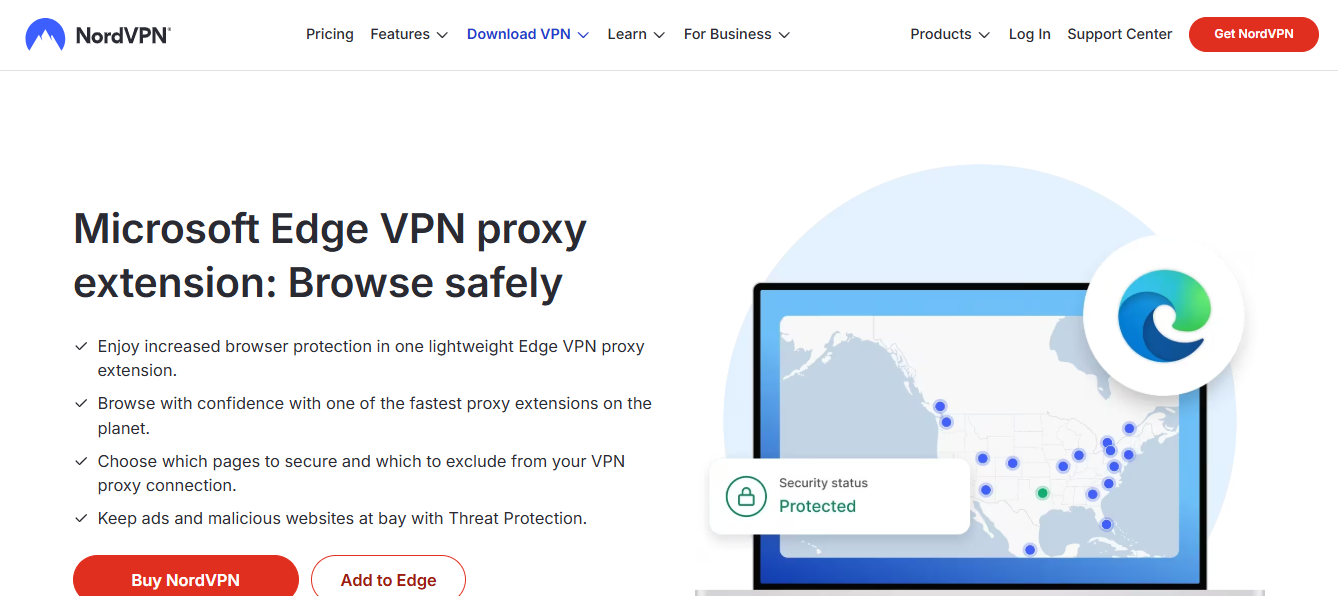
- Click the three-dot menu > Extensions > Open Microsoft Edge Add-ons.
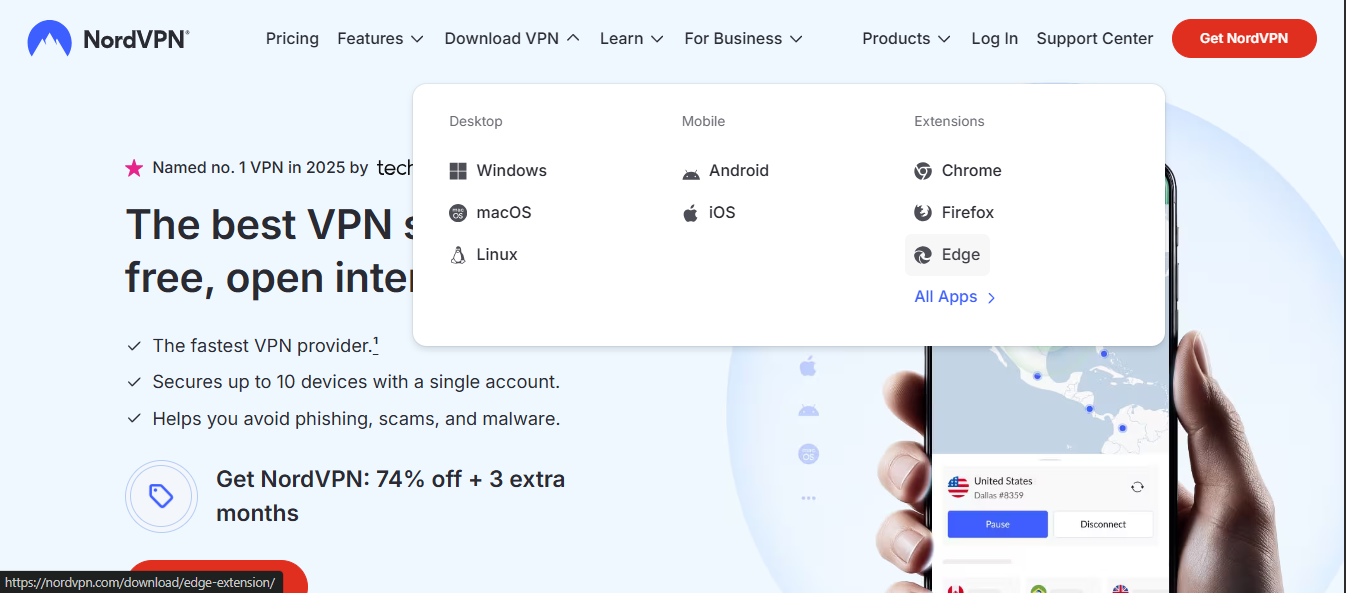
- Search for reputable VPN extensions e.g., NordVPN, ExpressVPN, Surfshark, Windscribe.
- Click Get, then Add extension and confirm.
- Access the extension in the toolbar, log in or sign up, and enable the VPN.
Tips for choosing extensions
- Prefer well-known, reviewed extensions with clear privacy policies.
- Check the extension’s permissions and data handling practices.
- Look for features like kill switch, auto-connect, and split tunneling if you need them.
- Some extensions offer a free tier with data limits; upgrade if you need unlimited data and tighter security.
Pros and cons
- Pros: Easy, fast to enable/disable per browser, lightweight.
- Cons: May leak if the extension is misconfigured, reputation risk if the provider isn’t trustworthy.
Security and privacy considerations
- Always use a VPN from a reputable provider; free VPNs often monetize your data.
- Enable a kill switch if available to prevent data leaks if the VPN disconnects.
- Verify DNS leakage protection is enabled in your VPN settings.
- Be mindful of logging policies: “no-logs” isn’t always zero-log; check independent audits.
Performance and reliability tips
- Choose a server close to your location for better speed.
- Use WireGuard or IKEv2 where possible for a balance of speed and security.
- If you experience buffering, switch to a different server or protocol.
- Close unnecessary apps that might be consuming bandwidth when streaming or gaming.
Troubleshooting common issues
- VPN won’t connect: Check credentials, server address, and protocol; restart the VPN app or Windows networking service.
- Slow speeds: Switch servers, change protocol, or enable performance-optimized features in the VPN app.
- Edge not showing VPN traffic: Ensure Windows VPN is connected if you’re using system VPN; re-install the extension if using Edge extensions.
- DNS leaks: Ensure DNS leak protection is on in the VPN settings or enable a built-in DNS through the extension.
Privacy-friendly browsing practices on Edge
- Use Edge’s tracking prevention settings in Settings > Privacy, search, and services.
- Block third-party cookies when possible for added privacy.
- Consider disabling location services when not needed to reduce exposure.
- Use secure DNS DNS over HTTPS/DoH if your VPN supports it.
How to choose the right setup for you
- If you need system-wide protection and simple management, go with Windows VPN.
- If you only need to secure browsing in Edge or want quick toggling, use a reputable Edge extension.
- For travel or devices with limited resources, extensions may be lighter on CPU but ensure you trust the provider.
Data and statistics for authority
- Global VPN usage has surged; studies show annual growth rates around 15-20% in recent years.
- Major VPN providers report millions of users, with a preference for WireGuard-based protocols due to speed gains.
- Security researchers emphasize the importance of kill switches and DNS leak protection as standard features.
Practical tips and best practices
- Always verify you’re connected to the intended server by checking your IP location.
- Regularly update Edge and any VPN extensions to patch security issues.
- Use multi-factor authentication MFA for VPN accounts when available.
- Keep a backup method to regain access if a VPN blocks your connection e.g., a secondary non-VPN connection.
Features to look for in a VPN solution
- Strong encryption AES-256 or better
- Secure and private DNS
- Kill switch
- Leak protection DNS, IPv6, WebRTC
- No-logs policy and independent audits
- Wide server network and fast speeds
- User-friendly apps and good customer support
Edge-specific tips
- If Edge extension slows down your browser, disable other extensions to test performance.
- For streaming or gaming, prefer a wire-speed VPN with minimal overhead.
- If you’re using Edge on a Windows tablet or laptop, ensure battery-saving settings don’t throttle the VPN app.
Maintenance and updates
- Regularly review your VPN’s server list and switch when needed.
- Update Windows and Edge to the latest versions.
- Periodically re-check your privacy settings and the VPN’s privacy policy updates.
Quick comparison table Edge methods
| Method | Setup Effort | System-wide Coverage | Control | Typical Speed | Risk of DNS leaks |
|---|---|---|---|---|---|
| Windows built-in VPN | Moderate | Yes | High | Moderate to good | Low if configured correctly |
| Edge extension VPN | Easy | Browser-only | Moderate | Fast to very fast depends on provider | Moderate if extension misconfigures DNS |
Best practices checklist
- Use a reputable VPN provider
- Enable kill switch and DNS leak protection
- Keep software up to date
- Verify server location and IP after connect
- Review privacy policy and data handling
- Use DoH if supported
- Enable edge tracking prevention and privacy settings
Real-world scenarios and examples
- Remote work: Connect via Windows VPN to access corporate resources with extra security on Edge.
- Travel: Use Edge extension VPN to quickly switch locations for region-locked content without changing system settings.
- Public Wi‑Fi: Always enable your VPN before browsing on Edge to protect data from eavesdroppers.
- Content creators: Use VPN to test geo-targeted content and ensure accessibility in different regions.
Advanced setup and debugging tips
- If you’re tech-savvy, manually configure VPN profiles in Windows with custom routes for specific apps or destinations.
- Use Edge’s developer tools to check for WebRTC/IP leaks and disable WebRTC if needed via about:flags or extension settings, depending on the browser version.
- For enterprise environments, consider Group Policy or MDM to manage VPN settings consistently across devices.
Common mistakes to avoid
- Assuming free VPNs are safe for sensitive data.
- Not testing for DNS leaks after enabling a VPN.
- Forgetting to reconnect after waking the device from sleep.
Security posture for YouTubers and content creators
- When creating content about VPNs, emphasize privacy policies and avoid suggesting illegal activity.
- Include disclaimers about local laws and provider terms.
- Recommend official, reputable sources for VPN setup steps and avoid shady shortcuts.
Summary of key takeaways
- You can set up a VPN in Edge by using Windows’ VPN feature or a trusted Edge extension.
- Each method has strengths: system VPN for broad protection, extensions for quick, browser-specific use.
- Prioritize security features like kill switches, DNS leak protection, and updated software.
- Always verify your new IP and location after connecting to the VPN.
Frequently Asked Questions
Is there a built-in VPN in Microsoft Edge?
Edge itself doesn’t include a built-in VPN app. You’ll typically rely on Windows’ VPN client or a VPN extension installed in Edge for VPN functionality. Setting up openvpn on kubernetes your complete guide to deploying secure VPNs in containerized environments 2026
How do I set up a VPN in Windows for Edge?
Open Windows Settings > Network & Internet > VPN, add a VPN connection with the details from your provider, save, and connect. Edge will use the system-wide VPN when active.
Should I use a VPN extension or Windows VPN?
If you want system-wide protection, use Windows VPN. If you only want to protect Edge browsing and prefer quick toggles, use a reputable Edge extension.
Are free VPNs safe to use with Edge?
Free VPNs often come with limitations and privacy risks. If you choose a free option, carefully read the privacy policy, data limits, and permissions. Prefer paid, reputable providers.
How can I test if my VPN is working on Edge?
Visit a site like whatismyipaddress.com or iplocation.net to confirm your IP address and location match the VPN server. Check for DNS leaks as well.
Can Edge extensions leak DNS or WebRTC?
Yes, poorly configured extensions can leak data. Use reputable extensions, enable DNS leak protection, and consider disabling WebRTC if needed. Secure access service edge gartner 2026
How do I disable WebRTC leaks in Edge?
Disable WebRTC via browser flags or settings depending on your Edge version. Some extensions also offer WebRTC controls; check extension options.
What is kill switch and do I need it?
A kill switch blocks all traffic if the VPN disconnects, preventing unencrypted data exposure. It’s highly recommended for privacy-focused users.
How often should I update my VPN software?
Regularly; at least whenever there’s a new release or security update. Enable auto-update if available.
Can I run a VPN on multiple devices with the same account?
Most providers support multiple devices, but the number varies by plan. Check your subscription terms for device limits.
What should I do if Edge shows VPN connection but traffic isn’t encrypted?
Double-check the VPN’s active status, test for IP leaks, ensure the correct server is selected, and verify you’re not connected to a proxy that bypasses the VPN. Secure vpn use 2026
Setup vpn microsoft edge: a comprehensive step-by-step guide to browser extensions, Windows VPN integration, and best practices for privacy, streaming, and security
Yes, you can set up a VPN for Microsoft Edge via browser extensions or a system-wide VPN that Edge uses. In this guide, I’ll walk you through practical, beginner-friendly steps to get you protected fast, plus tips to keep performance high and your data safe. We’ll cover Edge-specific methods, Windows VPN integration, and how to choose a service that fits your needs—whether you’re streaming, working remotely, or browsing on public Wi‑Fi. If you’re shopping around, check out the NordVPN deal below for a solid option that works well with Edge.
Useful resources un clickable: Microsoft Edge help and support pages - support.microsoft.com, Windows 10 VPN setup guide - support.microsoft.com, Windows 11 VPN setup guide - support.microsoft.com, NordVPN official site - nordvpn.com, Privacy and security best practices - en.wikipedia.org/wiki/Privacy, Public Wi‑Fi safety tips - cisa.gov
Introduction: what you’ll learn and how this guide is laid out
- Yes, setting up a VPN for Microsoft Edge can be done either with Edge extensions or by configuring a system-wide VPN that Edge will automatically use.
- This guide is designed to be practical and beginner-friendly, with real-world steps, screenshots-style walkthroughs described in plain language, and tips you can apply today.
- You’ll get a clear comparison of two main routes: 1 Edge extensions that encrypt browser traffic, and 2 Windows-wide VPN apps that protect all traffic including Edge.
- You’ll also learn about performance considerations, privacy features to look for in a VPN, troubleshooting steps, and common gotchas.
- Short format sections you’ll see: quick-start steps, setup-by-setup tutorials, edge-case tips, and a thorough FAQ at the end.
What this article covers
- The difference between browser VPN extensions and system-wide VPNs
- How to set up an Edge VPN extension
- How to configure a Windows VPN app to work with Edge
- How to test your VPN connection and check for leaks
- Which features matter: kill switch, split tunneling, DNS protection, and auto-connect
- Performance tips for streaming, gaming, and heavy browsing
- Privacy considerations and what to look for when choosing a VPN
- Edge-specific tips: profiles, syncing, and enterprise considerations
- Troubleshooting common issues and quick fixes
Section overview
- Understanding VPN basics for Edge
- Edge extensions: setup and caveats
- System-wide VPN on Windows 10/11 and Edge
- Performance and privacy best practices
- Real-world use cases: streaming, remote work, and secure public Wi‑Fi
- Edge-specific tips: profiles, sync, and management
- Frequently asked questions
Understanding VPN basics for Edge
VPNs virtual private networks create a secure, encrypted tunnel between your device and a VPN server. For your browser, this means:
- Your browser traffic is encrypted and routed through the VPN server
- Your IP address appears as the VPN server’s IP, not your local one
- Your ISP can’t easily see the exact pages you visit within the VPN tunnel though the VPN provider can see metadata
Two common approaches with Edge:
- Browser extensions: lightweight, easy to install, encrypts browser traffic only
- System-wide VPN apps: encrypts all traffic from your device, including Edge, email apps, games, and more
Practical reality
- Browser extensions are great for quick protection on a single browser and fast switching between servers
- System-wide VPNs are better when you want comprehensive protection for all apps and services, especially on public Wi‑Fi or work-from-home setups
A quick reality check on performance
- VPNs can add latency ranging from a few milliseconds to tens of milliseconds, depending on server location and distance
- Most reputable VPNs optimize for streaming and gaming, but performance varies by time of day and server load
- If you’re streaming HD video, you’ll want servers optimized for high throughput and possibly split tunneling if available
Edge extensions: setup and caveats
# Why use Edge extensions for VPN
- Quick enable/disable per browsing session
- Lightweight footprint with minimal impact on system resources
- Simple server-switching from the browser
# What to look for in a VPN extension
- Strong encryption AES-256
- No-logs policy
- Built-in DNS leak protection
- Easy server switching and reliable speed
- Compatibility with Edge and frequent updates
# Step-by-step: install and configure a VPN extension in Edge
1 Open Microsoft Edge and go to the Microsoft Edge Add-ons store.
2 Search for a reputable VPN extension e.g., one from a well-known provider you already trust.
3 Click Add to Edge, then confirm the installation.
4 Pin the extension to your toolbar for quick access.
5 Click the extension icon, log in if needed, and choose a server location.
6 Enable any built-in DNS leak protection or kill switch options if available.
7 Test your connection by visiting a site that shows your IP e.g., whatismyip.com to confirm your VPN is active.
Pros
- Fast setup
- Browser-contained protection
- Simple server-selection
Cons
- Encrypts only browser traffic, not other apps
- Some extensions require a paid plan for full features
- Potentially less robust than a system-wide VPN for advanced privacy
# Edge-specific tips for extensions
- Clear your browser cache if you notice buffering or privacy holes after extension changes
- Use separate profiles for testing different VPN servers or access to streaming libraries
- Check extension permissions. avoid extensions that request unnecessary access to your data outside browsing
System-wide VPN on Windows and Edge integration
# Why choose a system-wide VPN
- Protects all traffic from your device, not just Edge
- Useful for securing email clients, messaging apps, and other software
- Better for secure work-from-home setups and whole-device privacy
# How Windows handles VPNs overview
Windows supports several types of VPN connections IKEv2, WireGuard, etc.. You can configure a VPN manually or install the provider’s app, which often includes a VPN client with a graphical interface.
# Step-by-step: configure a Windows VPN app for Edge
1 Subscribe to a VPN service and download the Windows app.
2 Install the app and sign in.
3 Open the app and pick a server location optimized for your needs streaming, privacy, or speed.
4 Look for features: kill switch, DNS protection, auto-connect, and split tunneling if you need selective traffic protection.
5 Enable the kill switch to prevent traffic leaks if the VPN drops unexpectedly.
6 Connect to a server and verify your IP address is changed by visiting whatismyip.com.
7 Optional: configure Windows to connect to VPN automatically on startup and when Wi‑Fi connects.
# How Edge uses a system-wide VPN
- Once the system-wide VPN is connected, Edge traffic will route through the VPN automatically
- Edge extensions can still be used, but the VPN’s tunnel handles the actual transport layer for all in-browser requests as well
# Pros and cons of system-wide VPN on Windows
- Full-device protection, including Edge and non-browser apps
- Consistent privacy across all online activity
- Can handle more advanced networking configurations and protocols
- Might introduce some latency across all apps
- Could impact gaming or real-time apps if server load is high
- Setup can be more involved than a browser extension
# Edge-specific tips for system-wide VPN
- Enable DNS leak protection to prevent your real DNS from leaking outside the VPN tunnel
- If you need to connect to local devices like a home server, use split tunneling to route only certain apps through the VPN
- Use a dedicated gaming or streaming server if you need lower latency
Performance and privacy best practices
# Choose servers wisely
- For streaming, pick servers labeled for streaming or those with high throughput
- For privacy, choose servers in jurisdictions with strong privacy laws and a strict no-logs policy
- Avoid servers that are heavily congested. many providers show real-time load indicators
# Encryption and security features to expect
- AES-256 encryption is standard
- Modern protocols like WireGuard offer a great balance of speed and security
- A reliable kill switch prevents leaks if the VPN drops
- DNS leak protection ensures your DNS queries aren’t exposed
# Privacy considerations
- Read the provider’s no-logs statement and privacy policy
- Be mindful of jurisdiction and data retention laws in the provider’s country
- Consider a provider with independent audits or transparent security practices
# Performance tips
- Use UDP for speed when your VPN client supports it, unless reliability is critical
- Connect to the nearest server for the best latency
- If streaming, test multiple servers to find the one with the best performance
- Disable unnecessary features like auto-connect on untrusted networks if you’re troubleshooting
Real-world use cases: streaming, remote work, and secure public Wi‑Fi
# Streaming and media libraries
- VPNs help bypass regional content restrictions. however, some streaming platforms aggressively block VPNs
- Use servers optimized for streaming. check if your provider offers dedicated streaming servers
- Combine with Edge’s smart DNS or extensions if your provider supports it
# Remote work and enterprise setups
- A system-wide VPN is typically preferred for remote work to protect all traffic, including corporate portals
- For business devices, check with your IT policy on VPN usage and ensure the chosen solution complies with security guidelines
- Enable split tunneling when required by your organization to allow non-sensitive apps to bypass the VPN
# Public Wi‑Fi and travel
- Public networks are common attack surfaces. a VPN adds a layer of defense against snooping on data in transit
- Always connect to VPN before entering sensitive information on public networks
- Keep your Edge browser updated to mitigate browser-specific vulnerabilities
Edge-specific tips: profiles, sync, and management
# Edge profiles and privacy
- Use separate Edge profiles for work and personal browsing to keep data clean and organized
- Turn on Sync only for your essentials passwords, favorites if you’re concerned about cross-device privacy
- Regularly review and clean extensions to reduce potential data exposure
# Enterprise considerations
- In corporate environments, Edge and VPN settings may be managed by group policies
- If you’re an administrator, consider configuring enterprise VPN profiles that auto-connect on login
- Use monitored VPN services with robust auditing capabilities to satisfy compliance requirements
Troubleshooting common issues
- VPN not connecting: try a different server, check for app updates, restart the client, or reboot your computer
- DNS leaks: enable DNS leak protection in the VPN app and flush DNS cache command: ipconfig /flushdns on Windows
- Slow speeds: test multiple servers, ensure you’re using the recommended protocol WireGuard vs OpenVPN, and verify device performance
- Edge not loading pages: disable conflicting extensions, clear cache, or reset Edge settings
- IP address not changing: ensure the VPN is connected correctly, disable IPv6 if the VPN doesn’t support it, and recheck the server location
Testing and validation
- IP address test: visit whatismyip.com to confirm your IP matches the VPN server
- DNS leak test: run a DNS leak check to ensure your DNS requests go through the VPN
- WebRTC leak test: some browsers leak WebRTC. disable WebRTC in Edge settings if necessary
- Speed test: run a speed test with and without VPN to gauge impact, then adjust server selection accordingly
Safety, legality, and best practices
- Use reputable VPN providers with transparent privacy policies
- Avoid free VPNs that monetize data or have questionable practices
- Always read terms of service and privacy policy
- Consider a kill switch and DNS protection as essential features
- Keep your software updated to minimize security vulnerabilities
How to choose the right VPN for Edge
- Privacy policy: no-logs or minimal-logs with independent audits
- Speed and reliability: look for high-speed servers and low latency
- Security features: AES-256, WireGuard, kill switch, DNS leak protection
- Edge compatibility: browser extension availability and system-wide app support
- Price and value: balance features, device limits, and cost. take advantage of promos like the NordVPN deal shown earlier
- Support: responsive customer service and helpful troubleshooting guides
Quick-start recap
- Decide between Edge extensions or a system-wide VPN app
- For quick setups, install a trusted Edge extension and enable server location
- For complete protection, install a Windows VPN app, configure auto-connect and kill switch, then connect
- Verify connection with IP and DNS tests, and tweak as needed
- Follow best practices for privacy and security, especially on public Wi‑Fi
Frequently Asked Questions
# Is it possible to use a VPN directly in Edge without any extension or Windows VPN?
Yes, you can use browser-based VPN extensions to protect Edge traffic, or you can configure a system-wide VPN so Edge traffic is protected as part of all device traffic.
# Do VPN extensions slow down Edge?
Some extensions can introduce a minor slowdown due to encryption and server routing, but many extensions are lightweight and optimized. If you notice a noticeable drop, try a different server or a different extension.
# Can I use a VPN to watch region-locked content in Edge?
Yes, VPNs can help you access region-locked libraries by connecting to a server in the desired location. Note that streaming platforms sometimes block VPNs, so you may need to try multiple servers or a dedicated streaming server.
# Is a kill switch necessary?
A kill switch is highly recommended. It prevents data leaks if the VPN drops, ensuring your real IP isn’t exposed.
# Does Edge work with WireGuard-based VPNs?
Many VPN providers have WireGuard-based apps or extensions that are highly compatible with Edge and offer improved speed and security.
# What is split tunneling, and should I use it with Edge?
Split tunneling lets you route only some apps through the VPN. If you want Edge traffic protected while letting other apps use your regular connection, enable split tunneling for Edge.
# Can I use a VPN on Windows 11 without extra software?
Yes, you can configure a Windows VPN profile manually, but most users benefit from a provider’s app, which often includes extra features like kill switch and DNS protection.
# How do I know if my VPN is leaking DNS or IP data?
Run a DNS leak test and an IP test while connected to the VPN. If your real IP shows up, or DNS queries leak outside the VPN tunnel, adjust settings or switch servers.
# Will a VPN affect my online gaming latency in Edge?
It can. If you’re competitive gaming, choose a VPN server geographically close to you and optimized for speed. Some VPNs offer gaming-optimized servers.
# Should I disable IPv6 when using a VPN?
If your VPN doesn’t support IPv6, disabling it can prevent leaks. Check your VPN provider’s guidelines and enable IPv6 masking if recommended.
# How do I know which VPN is best for Edge?
Look for strong privacy policies, audited no-logs, fast servers, secure protocols WireGuard, OpenVPN, DNS leak protection, a kill switch, and Edge/browser extension support. Compare plans and reviews to find what fits your needs.
# Can I use the NordVPN deal with Edge?
Yes. NordVPN works well with Edge either via browser extension or system-wide VPN app. The deal shown above is a good entry point to get robust protection at a discount.
# What if my VPN doesn’t work with a particular streaming site in Edge?
Switch to a different server within your provider’s app or try a browser extension with a server explicitly labeled for streaming. Some sites actively block VPNs. switching servers often resolves it.
# How often should I update my VPN software?
Keep your VPN app and Edge browser up to date. Updates fix security vulnerabilities and improve performance.
# Are there privacy risks with VPNs?
A VPN provider can see your traffic. choose a reputable provider with a strict no-logs policy and transparent practices. Read reviews and, if possible, opt for providers with independent audits.
# Can I use a VPN on Chromebook or macOS with Edge?
Edge on macOS supports extensions, and system-wide VPNs work across platforms. The steps are similar: install the VPN app or extension, configure settings, and connect to a server.
# Do VPNs work on mobile Edge browsers?
Yes. Mobile Edge can use extensions where supported or connect to VPN services via their mobile apps, providing similar protections on mobile browsing.
# What about data caps and bandwidth limits?
Most reputable VPN providers don’t impose strict bandwidth caps for standard plans, but lower-tier plans might have throttles. Check your plan details.
# How can I get the best possible performance with Edge two-factor authentication and VPN?
Pair your VPN with strong authentication on the VPN service, keep your device updated, and choose the closest, least congested server for best results.
If you’re ready to guard your browsing in Edge today, start with a browser extension for quick protection or set up a Windows-wide VPN for complete coverage. For a strong balance of speed and privacy, NordVPN remains a reliable option with frequent promos, making it easier to protect Edge without breaking the bank. The image above highlights a current discount. consider taking advantage of the offer to maximize value while keeping your Edge browsing private and secure.
Line vpn不能用