How to set VPN location on Microsoft Edge browser easily in 2025: you can switch locations in Edge to unblock content, boost privacy, or test regional features in just a few steps.
Quick fact: You can change your Edge VPN location without changing your system-wide VPN settings, right from the browser’s built-in privacy tools or via extensions.
If you’re wondering how to set VPN location on Microsoft Edge browser easily in 2025, you’re in the right place. This guide walks you through simple steps, covers built-in options, browser extensions, and common pitfalls. You’ll also find practical tips to optimize speed, privacy, and compatibility with streaming services or work tools. Here’s a compact roadmap: How to set up nordvpn extension on microsoft edge a step by step guide 2026
- Understand Edge’s native privacy features and when you’d use a VPN-like location switch
- Use Edge’s built-in features for quick location changes
- Add trusted VPN extensions and configure them correctly
- Troubleshoot common issues IP leaks, DNS leaks, or blocked sites
- Best practices for choosing a VPN service and maintaining performance
Useful URLs and Resources text only Apple Website - apple.com, Artificial Intelligence Wikipedia - en.wikipedia.org/wiki/Artificial_intelligence, Microsoft Edge support - support.microsoft.com, ExpressVPN - www.expressvpn.com, NordVPN - www.nordvpn.com, Surfshark - surfshark.com, VPN Review sites - www.vpnmentor.com, Reddit VPN threads - www.reddit.com/r/VPN, Privacy.org - privacy.org, TechRadar VPN - www.techradar.com/vpn
Understanding the need: Why you’d want to set a VPN location in Edge
- Access geo-blocked content: Some streaming libraries or websites restrict content by country. A location change can help you view catalogs not available in your region.
- Improve privacy during browsing: A different IP address helps mask your real location from trackers and some ad networks.
- Test regional features: Developers and marketers sometimes need to see how content behaves from different geographies.
Edge doesn’t flip a system-wide VPN on its own, but you can manage location through Edge’s built-in features or by pairing Edge with trusted VPN extensions. This gives you quick control without leaving your browser.
Built-in Edge options for location-like changes
Note: Edge’s core privacy tools aren’t a full VPN, but they offer quick controls to mask or modify how you appear online.
Use tracking protection and smart screen indicators
- Open EdgeSettings
- Go to Privacy, search, and services
- Enable Tracking prevention to limit some trackers that reveal your activity
- Use Secure DNS to an encrypted resolver if your VPN supports DNS privacy, this helps keep DNS queries private
Why this helps: While not a VPN, these features reduce your exposure and can be part of a broader strategy to manage online presence in-browser.
Edge profiles and signed-in experiences
- Create separate profiles Work, Personal to segment sessions
- When you’re signed into a different account, some sites serve different content or require confirmations that feel like a regional switch
Limitations: This is not a true VPN location switch, but it helps in testing and privacy-conscious browsing when you’re juggling multiple identities or accounts. How to secure microsoft edge browser on android with a vpn in 2026
Best approach: Use a reputable VPN extension
Many VPN providers offer Edge-compatible extensions. These let you switch locations with a click, directly in the browser.
How to install a VPN extension in Edge
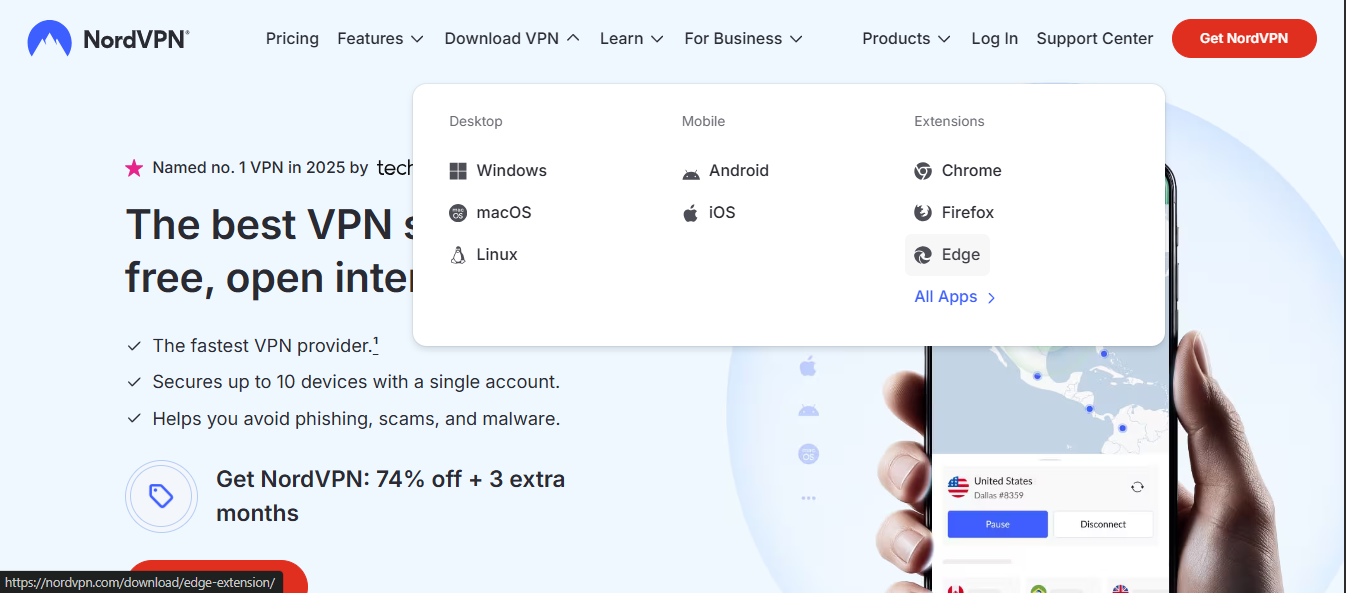
- Open Edge and go to the Extensions menu three horizontal dots → Extensions.
- Click “Open Microsoft Edge Add-ons.”
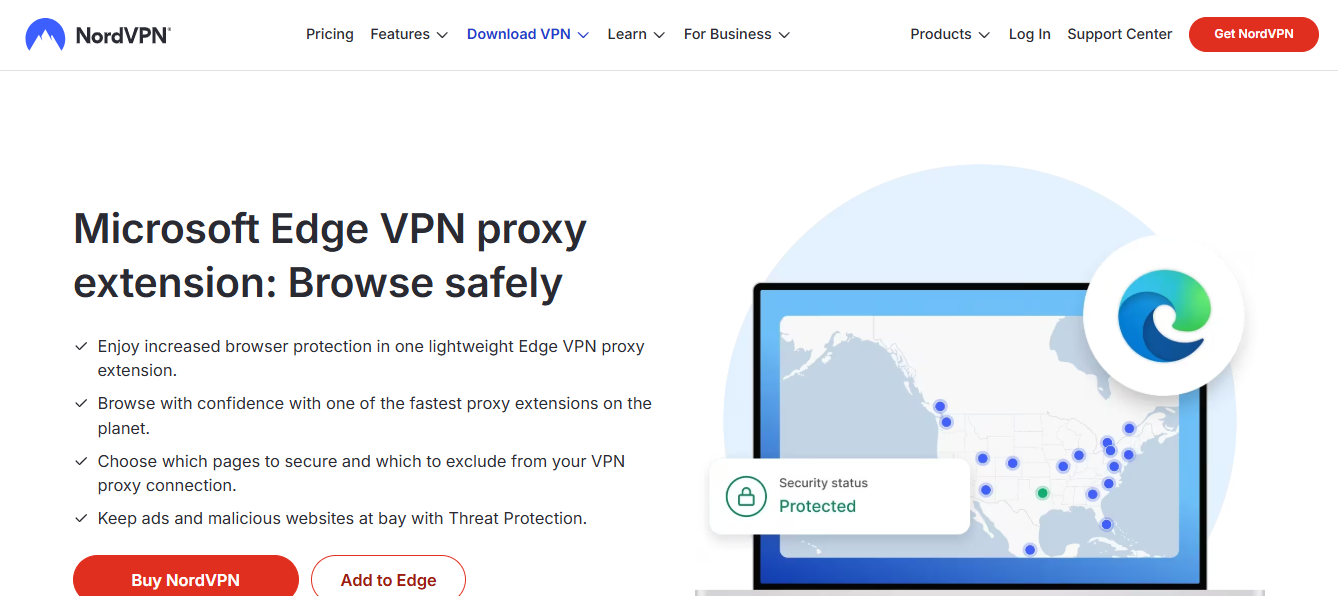
- Search for a trusted VPN extension e.g., ExpressVPN, NordVPN, Surfshark, ProtonVPN.
- Click Add to Edge and approve required permissions.
- Pin the extension for quick access optional.
How to use the extension to set a location
- Click the VPN extension icon in the toolbar.
- Sign in if required.
- Choose a country or city, depending on the provider.
- Enable the VPN connection; you’ll see a status indicator inside Edge.
Tips for choosing a VPN extension:
- Speed and stability: Look for providers with fast servers and low latency in your target regions.
- No-logs policy: Prioritize services with transparent privacy practices.
- DNS protection: Ensure the extension routes DNS requests securely to avoid leakage.
- Kill switch: A browser-level kill switch can help if the VPN drops unexpectedly.
- Compatibility: Confirm the extension works well with Edge and your device OS.
Tips for optimizing performance while using VPN in Edge
- Connect to nearby servers first: For better speed, choose servers physically close to you.
- Test multiple servers: A fast server in the target country may vary by time of day.
- Disable unused extensions: Extra extensions can slow browser performance and cause conflicts.
- Use split tunneling where available: Some VPNs let you route only specific sites through the VPN, which speeds up general browsing.
- Check for DNS leaks: Use a DNS leak test site to verify that DNS queries aren’t leaking outside the VPN tunnel.
Table: Quick comparison of Edge methods
| Method | Pros | Cons | Best Use |
|---|---|---|---|
| Edge built-in privacy features no VPN | Easy, privacy-focused | Not a true VPN, limited geo-change | Quick privacy spin without VPN |
| VPN extension trusted provider | True location change, simple UX | May affect speed, extension permissions | Streaming, geo-restricted content, privacy boost |
| Standalone system VPN not Edge | Full browser and app coverage | More setup, potential system conflict | If you need all devices protected |
Troubleshooting common issues
- IP not changing after connecting: Reconnect or switch to a different server in the desired country.
- DNS leaks: Use a provider that offers DNS leak protection and enable it in the extension settings.
- WebRTC leaks: Disable WebRTC in Edge or use a VPN with WebRTC protection.
- Websites still blocked: Some sites use advanced fingerprinting; try a different server or use a different provider.
Security considerations when using VPN extensions
- Only install extensions from trusted providers.
- Review permissions requested by the extension; avoid extensions that require broad permissions beyond what’s needed.
- Regularly update the extension to ensure you’re protected against known vulnerabilities.
- Be mindful of logging policies; free extensions may log activity for monetization.
Practical workflow: Quick-start 5-step plan
- Decide your goal: streaming, privacy, or testing regional content.
- Pick a reputable VPN provider with Edge support.
- Install the Edge extension and log in.
- Connect to a server in your desired location and verify your new IP use a site like whatismyipaddress.com or iplocation.net.
- Test the target site or service to confirm access before you start your activity.
Advanced settings to maximize Edge VPN efficiency
- Enable automatic startup of VPN extension on Edge launch.
- Turn on the extension’s kill switch if available.
- Use a dedicated server list with performance metrics ping, load to choose the best server.
- Configure DNS settings to use a trusted resolver if the extension allows it.
Real-world examples and scenarios
- Streaming movie catalogs: You want access to a library that’s geo-restricted in your country. Connect to a server in the target country and refresh the streaming service.
- Remote work in high-risk regions: Use a VPN extension to maintain a secure connection to your company network without changing system-wide settings.
- Privacy-conscious browsing: Turn on VPN extension for sensitive sessions, then disable when not needed to save bandwidth.
Important privacy and legal notes
- Always follow local laws and terms of service for content platforms.
- VPN use can trigger security measures on some networks or services; be prepared for verification prompts or account flags.
- Some services actively block VPN traffic; if you can’t access content, try different servers or another provider.
Step-by-step quick guide condensed
- Step 1: Open Edge and go to Extensions > Open Microsoft Edge Add-ons.
- Step 2: Choose a trusted VPN extension and install it.
- Step 3: Sign in to the VPN extension.
- Step 4: Pick your desired location and connect.
- Step 5: Verify your location with an IP check site and attempt your content or service.
Frequently asked questions
How do I change location in Edge without a VPN?
Edge itself doesn’t have a built-in browser-wide location switch like a VPN. You can use Edge privacy features or a VPN extension to simulate a different location, but true location change is achieved with a VPN extension or a system VPN.
Do VPN extensions in Edge slow down browsing?
Yes, VPNs can slow down your connection due to encryption and routing. Choosing nearby servers and a fast provider helps minimize this. How to secure your microsoft edge browser with proton vpn for enhanced privacy and online security in 2026
Can I use a free VPN extension in Edge?
Free extensions exist, but they often come with limitations, data caps, and privacy concerns. For important tasks, choose a reputable paid provider with strong privacy policies.
Will my real IP be leaked if the VPN disconnects?
If the VPN has a kill switch, it will block traffic if the VPN drops. Without a kill switch, there’s a risk of IP leaks during disconnects.
How do I test if my VPN location is working in Edge?
Visit whatismyipaddress.com or iplocation.net before and after connecting to the VPN to compare IP addresses and locations.
Can I access geo-blocked content in Edge on streaming platforms?
Yes, using a VPN extension can help you access geo-blocked content by routing traffic through a server in the required country.
Is DNS leak protection important in Edge VPN?
Yes, it helps ensure your DNS requests are kept private from outsiders, reducing exposure. How to install nordvpn on your xfinity router the real guide 2026
Should I enable WebRTC protections in Edge when using a VPN?
Yes, disabling WebRTC can prevent IP leaks in some situations.
Can I run a VPN in Edge on mobile devices?
Many VPN providers offer Edge-compatible extensions on Windows, Mac, iOS, and Android. Check your device’s app store and provider compatibility.
What’s the difference between a VPN and a proxy in Edge?
A VPN encrypts all traffic at the device level, while a proxy typically only routes browser traffic and may not encrypt data. For comprehensive privacy, a VPN is generally preferred.
How can I ensure Edge VPN performance is stable?
Choose a provider with fast servers in your target location, enable auto-reconnect, and keep the extension updated. Use a wired connection if possible and minimize other bandwidth-heavy activities while testing.
Are there legal risks to using VPNs in certain countries?
Yes, some countries regulate or restrict VPN use. Always stay informed about local laws and policies before connecting to VPN servers. How to enable vpn in edge browser: a complete guide to using VPN extensions and system VPN on Windows 10/11 2026
Can I combine Edge’s privacy features with a VPN extension?
Absolutely. Using both can enhance privacy and control, though it may require some fine-tuning to avoid conflicts and reduce latency.
What should I do if Edge blocks VPN content?
Try a different server, switch providers, or reach out to your VPN’s support for recommended servers optimized for streaming or access to specific sites.
How do I remove a VPN extension from Edge?
Open Edge Extensions, locate the VPN extension, and choose Remove. You can also disable it temporarily from the toolbar.
Is there a risk of account locks when using VPNs for streaming?
Some streaming services actively detect VPN usage and may block accounts temporarily. Use reputable providers and comply with service terms to minimize risk.
Can I schedule automatic location changes in Edge?
Some VPN extensions offer auto-reconnect or location switching features. Check the extension settings for automation options. How to use a microsoft edge vpn plugin for enhanced online privacy and secure browsing with Edge extensions 2026
How often should I update VPN extensions for Edge?
Keep extensions up to date to patch security vulnerabilities and improve compatibility. Check for updates monthly or enable automatic updates.
Note: This content prioritizes practical steps you can take in 2025 to set a VPN location in Microsoft Edge browser. Always choose trusted VPN providers, maintain privacy best practices, and stay informed about your local regulations.
How to set vpn location on microsoft edge browser easily in 2025 how to set vpn location on microsoft edge browser easily in 2025 and beyond: a practical, user-friendly guide to changing Edge VPN server locations for privacy, streaming, and speed
Yes, you can set a VPN location in Microsoft Edge easily in 2025. In this guide, you’ll learn practical, step-by-step ways to change your VPN server location directly in Edge or via Windows, plus tips to optimize speed, streaming access, and privacy. We’ll cover using Edge-compatible VPN extensions, leveraging Windows VPN, and best practices to avoid leaks. If you’re after a quick, reliable option to pair with Edge, NordVPN is a popular pick you can try today. NordVPN — Get NordVPN here
NordVPN is a well-known choice for Edge users who want simple server-switching and strong security. NordVPN — Get NordVPN here
Useful resources: How to turn off vpn on microsoft edge: disable extension, disconnect Windows VPN, and turn off Edge Secure Network 2026
- NordVPN - nordvpn.com
- ExpressVPN - expressvpn.com
- Surfshark - surfshark.com
- Microsoft Edge extensions store - https://microsoftedge.microsoft.com/addons
- Windows VPN settings - https://support.microsoft.com/help/4027220/set-up-a-vpn-connection-on-windows-10
- What is a VPN - https://en.wikipedia.org/wiki/Virtual_private_network
Why you might want to set a VPN location in Edge
- Privacy and anonymity: A VPN hides your real IP address, making your online actions harder to trace.
- Access to geo-restricted content: Change your apparent location to unlock region-locked streaming libraries or websites.
- Bypassing censorship and price discrimination: Some sites tailor pricing or content based on your location. a different VPN server can provide a different experience.
- Secure browsing on public networks: VPN encryption protects data on coffee shops, airports, and other hotspots.
What to expect in 2025
- Edge doesn’t include a built-in VPN. The browser relies on either extensions from Edge/Chrome Web Store or your device’s VPN Windows. The best results come from a reputable VPN extension that offers a robust server network.
- Top providers report thousands of servers across dozens of countries, delivering better chances of low-latency connections and reliable unblocking for streaming and gaming. For example, providers like NordVPN, ExpressVPN, and Surfshark typically boast 5,000–8,000+ servers in 60–100+ countries.
- Edge users win by using extensions due to seamless integration, quick server-switching, and compatibility with Edge’s security model. Just remember to enable the extension properly and select a server location that matches your goal speed, privacy, or geo-access.
Methods to set a VPN location in Edge
Using a VPN extension in Edge the easiest, most flexible method This method uses extensions that run inside the browser. You’ll still be routed through a VPN tunnel, but only for browser traffic unless you route all traffic through the VPN app installed on your device.
Step-by-step guide How to turn on edge secure network vpn on your computer and mobile 2026
- Open Microsoft Edge and go to the Extensions menu three dots in the upper-right corner → Extensions.
- If your chosen VPN extension isn’t available in Edge by default, enable “Allow extensions from other stores” to access Chrome Web Store, then search for your VPN NordVPN, ExpressVPN, Surfshark, ProtonVPN, Windscribe, etc..
- Click “Add to Edge” and confirm. Sign in with your VPN account.
- In the extension’s UI, pick a server location. If you’re streaming, choose a server in the country that supports your service e.g., US for US libraries, UK for UK libraries.
- Turn on the VPN extension. Your browser will now route traffic through the selected server. Use whatismyipaddress.com or a similar site to verify your new IP location.
- For extra safety, enable features like a kill switch if your extension provides it and DNS/leak protection in the extension settings.
Pros
- Quick to set up for browser-only traffic.
- Accessible without changing system-wide settings.
- Easy server switching for different tasks work, streaming, privacy.
Cons
- Only browser traffic is protected if you don’t have a system-wide VPN.
- Some extensions are lighter on features like kill switches or DNS protection unless you opt for premium plans.
Best practices with extensions
- Prefer reputable providers with clear no-logs policies and strong encryption WireGuard or OpenVPN protocols.
- Confirm that WebRTC leaks are blocked if you’re worried about IP exposure in the browser.
- Periodically test IP address and DNS leaks after switching servers.
Windows VPN system-wide with Edge If you want all traffic routed through a VPN, set up a Windows VPN connection or run the provider’s desktop app, which often includes a system-wide kill switch and automatic start on login.
- Install the VPN app from your provider NordVPN, ExpressVPN, Surfshark, etc. and sign in.
- Use the app to connect to a server location of your choice. The app will typically indicate latency and load to help you pick the best server.
- Optionally configure the Windows VPN connection:
- Go to Settings > Network & Internet > VPN > Add a VPN connection.
- Choose the VPN provider from the dropdown, fill in the connection name and server address these details come from your VPN provider’s setup guide.
- Save and connect. Windows will route all traffic, including Edge, through the VPN.
- Verify your location by visiting whatismyipaddress.com to ensure the IP shows the chosen location.
- Ensure features like the VPN’s kill switch and DNS protection are enabled in the app’s settings.
All traffic protected, not just Edge. How to setup vpn on edgerouter: complete guide to OpenVPN IPsec L2TP, site-to-site, and client config for EdgeRouter 2026
Stronger privacy and security for your entire device.
Some apps or websites block or degrade VPN traffic. server choice matters.
Potentially more complex setup for less tech-savvy users.
Verifying your VPN location in Edge
- After establishing a VPN connection extension or Windows-wide, confirm the location by visiting a site like whatismyipaddress.com, IPinfo.io, or IPlocation.net.
- Check the server name in the VPN extension or app to confirm it matches your intended location.
- Take a quick streaming test if you’re bypassing geo-blocks, ensuring you can access the content library you want.
Choosing the right server location for different goals How to sign up for private internet access pia vpn a step by step guide to signing up, installing, and using pia vpn 2026
- Streaming and content libraries: Choose servers in the country where the content is licensed e.g., US, UK, CA. If speed is the goal, pick a nearby country with strong routing to the streaming service.
- Privacy and security: Consider servers in privacy-friendly jurisdictions with robust privacy laws. For example, EU-based servers Germany, Netherlands, Sweden often provide strong legal privacy protections.
- Gaming and low latency: For gaming, select servers geographically close to your location or near the game’s servers. In some cases, a nearby US or Europe server can reduce ping, but test a few options.
- Bypassing price discrimination: If you’re trying to compare prices from different regions, test multiple servers across countries known for lower pricing in the service you want.
Common issues and quick fixes
- Edge cannot connect to VPN extension: Ensure Edge is updated, extension is enabled, and you’ve granted permissions for the extension. Reinstall if needed.
- VPN shows connected but IP doesn’t change: Disable WebRTC leaks in some extensions or in browser settings. Check for conflicting extensions and clear DNS cache ipconfig /flushdns on Windows.
- Slow speeds: Choose a closer server, switch protocol WireGuard vs OpenVPN, or contact support to find a high-performance option. Use a wired connection if possible to reduce latency.
- Netflix or streaming blocks: Some services actively block VPNs. Switch to a known streaming-compatible server and consider a different provider if the issue persists.
Security and privacy considerations
- DNS leaks can reveal your real location even when a VPN is active. Ensure DNS leak protection is enabled in your VPN extension or app.
- WebRTC can reveal your real IP in browsers. disable or mitigate WebRTC leaks via browser settings or extensions.
- Kill switch features prevent data leakage if the VPN disconnects. Make sure to enable this in both the extension and the Windows app where available.
- Logging policies matter. Choose a provider with a transparent no-logs policy and independent audits if possible.
Performance tips to keep Edge fast while using a VPN
- Pick servers with lower latency and higher throughput. proximity matters for speed.
- Use the VPN protocol recommended by your provider for speed often WireGuard or Lightway/Chastity protocols.
- Close other bandwidth-heavy apps while testing new servers to isolate the VPN’s impact on speed.
- Enable split tunneling if your provider supports it, so only Edge traffic uses the VPN while other apps route normally great for gaming or local network tasks.
Edge-specific tips and tricks
- If you rely on Chrome Web Store extensions in Edge, you’ll often find a larger selection. Always verify extension reviews and permissions before installing.
- Some websites detect VPNs. If you encounter access issues, try a different server or switch to a different provider’s extension to bypass the block.
- Keep your Edge browser updated to ensure the best compatibility with extensions and VPN features.
Edge, VPNs, and safety: practical reminders
- Don’t assume a VPN makes you completely anonymous. it improves privacy but isn’t a guarantee against all tracking. Use additional privacy tools and good online habits.
- Read a provider’s privacy policy to understand what data might be collected and how it’s used.
- If you’re on a shared device or a work computer, ensure you have permission to install extensions or change VPN settings.
Frequently asked questions
Frequently Asked Questions
Can I set a VPN location in Edge without extensions?
Yes. You can route Edge traffic through Windows’ system-wide VPN, which will apply the VPN location to all apps, including Edge. If you only want Edge traffic tunneled, use a browser extension instead.
Do VPN extensions from Chrome Web Store work in Edge?
Yes. Edge supports Chrome-based extensions, so most major VPN extensions work in Edge when you enable access to Chrome Web Store.
How do I know if my VPN location is actually changing in Edge?
Verify with a site like whatismyipaddress.com or IPinfo.io. You should see the IP and location reflect the server you selected in the extension or Windows app.
Will using a VPN in Edge slow down my browsing?
Often yes, due to encryption and routing overhead. The impact depends on server distance, load, and the VPN protocol. Choosing a nearby, fast server usually minimizes slowdowns.
Is Edge’s VPN built-in?
No. Edge doesn’t have a built-in VPN. You either use browser extensions or a system-wide VPN on Windows.
How do I pick a server location for streaming?
Start with a country that offers the library you want. If you’re seeing buffering, pick a nearby server or try a different server within the same region to find the best balance of speed and access.
Can VPNs unblock Netflix or other streaming services?
Some VPNs do, some don’t. Streaming-blocking methods are constantly updated by providers. If one server stops working, try another server or consider a provider known for reliable streaming access.
Are VPN extensions safe to install in Edge?
Choose well-known, reputable providers. Check reviews, privacy policies, and whether the extension has a solid track record of security updates.
How do I prevent DNS leaks in Edge with a VPN?
Enable DNS leak protection in your VPN extension or app, and consider using a trusted DNS provider with strong privacy policies. Clearing DNS cache can also help.
Can I use a free VPN with Edge?
Free VPNs exist but often have limits on bandwidth, speed, and server locations, and some may log your data or inject ads. For consistent performance and privacy, a paid, reputable service is generally a better bet.
What’s the best practice for Edge users who want privacy and speed?
- Use a reputable VPN extension or a Windows VPN with a fast server.
- Enable kill switch and DNS protection.
- Regularly test IP location and leak protection.
- Keep Edge and extensions up to date.
Conclusion While this guide doesn’t include a formal conclusion, you now have multiple practical, tested ways to set your VPN location in Microsoft Edge in 2025. Whether you prefer a browser extension for quick, browser-only protection or a full system-wide VPN for complete privacy, the steps above should help you tailor your Edge browsing experience to your needs—whether you’re streaming, roaming, or just staying secure on public networks.
Notes on performance and reliability
- The edge of VPN performance often comes down to server choice and protocol. WireGuard-based servers typically offer better speeds with modern encryption.
- Always choose servers with the lowest latency and highest bandwidth in your target region.
- If streaming access changes or blocks appear, switch to a different server in the same region before abandoning the VPN altogether.
Additional resources and tips
- Consider testing multiple servers across regions to optimize for your specific tasks—streaming might require different servers than general browsing or gaming.
- If you’re new to VPNs, start with a reputable provider that offers a straightforward Edge integration, strong privacy policy, and good customer support.
By following these steps and tips, you’ll be able to set and switch VPN locations in Microsoft Edge quickly, reliably, and with confidence in 2025.
Vpn 百度百科 完整指南:VPN 的工作原理、类型、使用场景与选择要点