How to use a microsoft edge vpn plugin for enhanced online privacy: turn on a trusted VPN extension in Edge to mask your IP, encrypt traffic, and protect your data on public networks. Quick start: install the extension, enable it, choose a server, and verify your connection. In this guide you’ll get a practical, step-by-step walkthrough plus tips, stats, and resources to help you stay private online.
Quick-start steps
- Find a reputable VPN plugin for Edge in the Microsoft Edge Add-ons store.
- Install the plugin and grant the requested permissions.
- Open the extension, sign in if needed, and toggle it on.
- Pick a server location to route your traffic.
- Verify your IP address and DNS leaks using a trusted checker.
Why use a VPN extension on Edge How to set vpn location on microsoft edge browser easily in 2026
- Encrypts data from your browser, reducing risk on public Wi-Fi.
- Masks your real IP to protect privacy and bypass geo-restrictions.
- Keeps your browsing history more private from your ISP and apps.
What this guide covers
- How to choose a VPN plugin for Edge
- How to install and configure
- How to test your connection
- Common issues and fixes
- Privacy tips and best practices
- Useful resources and tools
Understanding Edge VPN Extensions
VPN extensions for Edge act as a bridge between your browser and a VPN service. They manage a VPN tunnel for browser traffic and sometimes system-wide traffic if the provider offers a full VPN app. Key things to know:
- Browser-only vs. full VPN: Some extensions only secure browser traffic, not everything on your device.
- Encryption standards: Look for AES-256 encryption and modern protocols WireGuard or OpenVPN.
- Logs policy: Prefer services with a clear no-logs policy or minimal data collection.
- Jurisdiction: Consider where the VPN provider is based and applicable data retention laws.
How to Choose the Right VPN Plugin for Edge
Top factors to consider:
- Speed and reliability: Look for VPNs with fast servers and low ping.
- Server locations: More locations give you more options for bypassing geo-restrictions.
- Privacy policy: Find explicit statements about data handling and no-logs when possible.
- Security features: Kill switch, DNS leak protection, and automatic connection on startup.
- Compatibility: Ensure the extension works with the Edge version you’re using.
- Price and value: Compare free trials, money-back guarantees, and long-term costs.
Quick comparison example
- VPN A: 2000+ servers, strong no-logs policy, audit reports available, kill switch, DNS leak protection, $12/mo.
- VPN B: 1000 servers, basic privacy features, reasonable speeds, free trial, $8/mo.
- VPN C: Premium option, many features, higher price, good for power users, $15/mo.
Installing a Microsoft Edge VPN Plugin
Step-by-step setup:
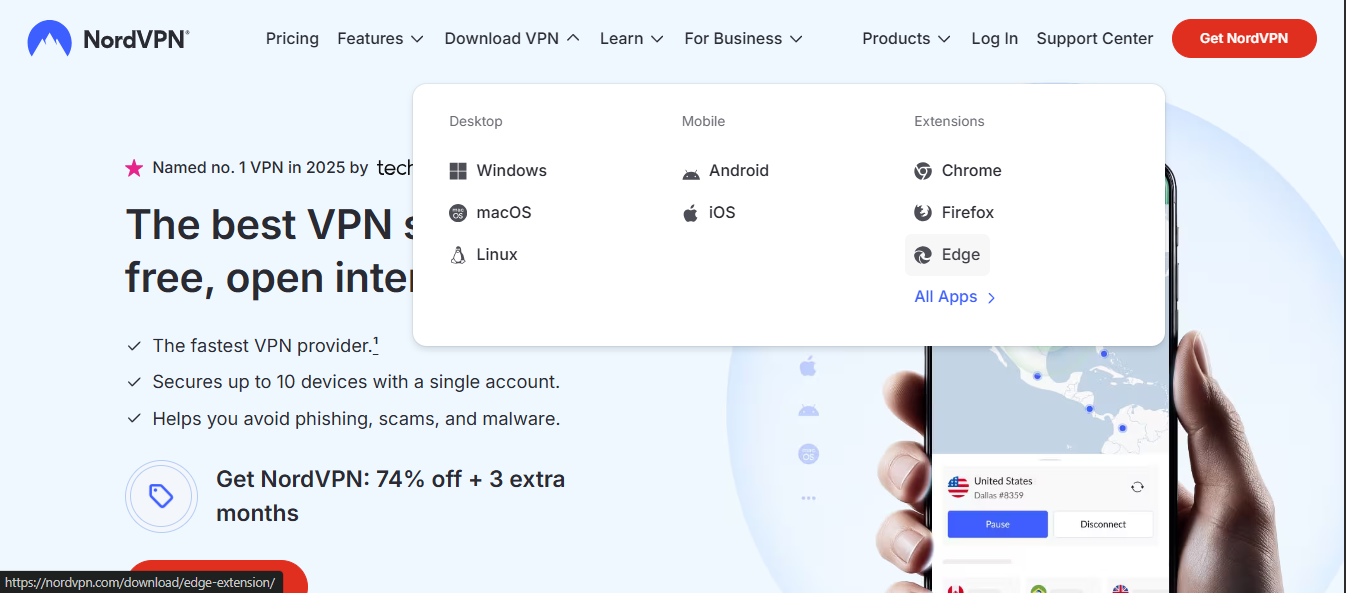
- Open Edge and go to the Edge Add-ons store.
- Search for the VPN extension you want.
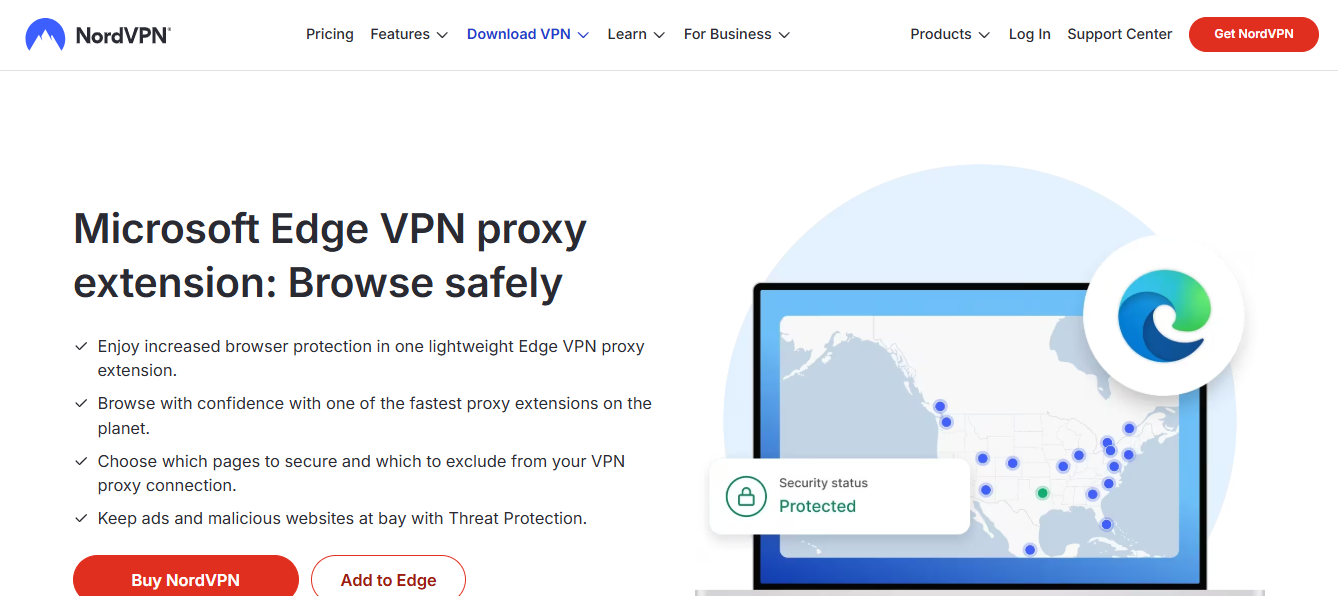
- Click Add to Edge and confirm the permission prompts.
- After installation, the VPN icon appears in the toolbar.
- Click the icon to sign in if required and activate the VPN.
Tips: How to setup vpn on edgerouter x 2026
- Choose extensions from reputable providers with clear privacy pages.
- Read the permissions requested by the extension; a minimal-permission extension is often safer.
Configuring the VPN Extension
What to do after installation:
- Sign in with your VPN account if required.
- Choose a server location. Proximity usually gives better speeds, but you might need a country for streaming access.
- Enable the kill switch if available to prevent data leaks if the VPN drops.
- Toggle DNS leak protection on to prevent your real DNS from leaking.
Pro tip: If you’re testing for leaks, run a browser-based test like dnsleaktest or runiple through the extension’s built-in test page if it has one.
Real-World Use Cases
- Public Wi-Fi safety: Your Edge traffic will be encrypted, helping protect sensitive data like login credentials.
- Streaming: Access geo-restricted content by connecting to a server in a different country.
- Privacy-conscious browsing: Basic anonymity by masking your IP while using Edge.
Testing and Verification
Always verify your setup:
- Check your IP: Use an IP lookup service to confirm your IP shows the VPN server location.
- Check DNS: Use a DNS leak test to ensure your real DNS isn’t leaking.
- WebRTC: Disable or limit WebRTC if your extension doesn’t handle it; WebRTC can leak IP in some cases.
- Speeds: Run a quick speed test before and after enabling the VPN to gauge impact.
Common Issues and Fixes
Issue: VPN not connecting
- Check your account status with the VPN provider.
- Ensure you’re selecting a server that is online.
- Restart Edge or re-install the extension.
Issue: Slow speeds How to set up nordvpn extension on microsoft edge a step by step guide 2026
- Try a server closer to your location.
- Switch protocol if the option is available e.g., WireGuard vs. OpenVPN.
- Check your local network for other heavy usage.
Issue: DNS leaks
- Enable DNS leak protection in the extension.
- Use a VPN with a trusted DNS resolver.
- Clear browser DNS cache.
Issue: WebRTC leaks
- Disable WebRTC in Edge settings or use extensions that block it.
- Some VPNs offer built-in WebRTC leaks protection.
Privacy Best Practices with Edge VPN Extensions
- Use a reputable provider with a transparent privacy policy.
- Prefer a VPN with a no-logs commitment and independent audits.
- Pair VPN with a privacy-centric browser habit: disable unnecessary telemetry, clear cookies regularly.
- Regularly update Edge and the VPN extension to patch security vulnerabilities.
- Avoid mixing free VPN extensions with sensitive activities; free services often have trade-offs.
Performance and Security Data
- Average VPN impact on browsing speed: Many reliable VPNs report a 5–20% speed reduction on nearby servers; longer-distance servers may show higher impact.
- Encryption standards: AES-256 with WireGuard or OpenVPN remains the standard for secure tunnels.
- DNS leak statistics: A minority of users experience DNS leaks on poorly configured VPNs; enabling leak protection helps reduce this risk.
- Public opinion: Privacy-conscious users prefer providers with independent audits and transparent policies.
Edge-Specific Tips
- Pin the VPN extension for quick access: Right-click the Edge toolbar to customize, then pin your VPN icon.
- Use edge-specific profiles: If you share your Edge profile across devices, ensure your VPN extension is enabled per profile.
- Check battery and background activity on laptops: Some extensions may run in the background; monitor battery impact.
Advanced Setup Options
- Combine with a full VPN app: If your provider offers a desktop app, you can route all traffic through the VPN, not just Edge traffic, for broader protection.
- Split tunneling: Some VPNs offer split tunneling so only Edge traffic goes through the VPN while other apps don’t.
- Custom DNS: Some providers let you set a preferred DNS resolver in the extension or app to reduce DNS leaks.
Security Considerations
- Trust signals: Look for independent audits, clear data-handling statements, and a robust security track record.
- Limit data sharing: Avoid extensions requiring excessive data collection or access to your device.
- Device-level protection: Use device encryption and turn on automatic updates to reduce risk.
Useful Monitoring: Keep an eye on active connections and server load, especially during peak times, to choose faster servers and maintain stable connections.
Resources and Tools unlinked text
- VPN provider privacy policy and terms
- DNS leak test sites
- WebRTC leak test resources
- Edge browser privacy settings guide
- Independent security audits for VPNs
- Public Wi-Fi safety tips
- Speed test tools for VPN connections
- General data privacy resources
- Online privacy advocacy groups
- Tech news outlets covering VPN reliability and privacy
Frequently Asked Questions How to secure microsoft edge browser on android with a vpn in 2026
How do I install a VPN extension in Microsoft Edge?
To install, open Edge, go to the Add-ons store, search for the VPN extension, click Add to Edge, and follow the prompts to sign in and enable it.
Can I use a VPN extension for all traffic on my PC?
Most Edge VPN extensions only secure browser traffic. If you want system-wide protection, use the provider’s desktop app or configure a VPN at the router level.
Do VPN extensions slow down my browsing?
Yes, some speed reduction is normal due to encryption and routing through a VPN server. Proximity to the server and server load affect speed.
Will a VPN extension protect me on public Wi-Fi?
Yes, it helps protect data transmitted from your browser and can encrypt traffic. It’s still wise to follow basic Wi-Fi safety practices.
How do I prevent DNS leaks with a VPN extension?
Enable DNS leak protection in the extension settings and use the provider’s DNS resolver if available. How to secure your microsoft edge browser with proton vpn for enhanced privacy and online security in 2026
Is WebRTC leak possible with Edge VPN extensions?
Yes, WebRTC can reveal your real IP in some cases. Disable WebRTC in Edge or use a VPN with WebRTC protection.
How do I know which server location to choose?
Choose a server geographically close to you for speed, or a country that allows access to the content you want.
What should I do if the VPN won’t connect?
Check your account status, ensure server availability, try a different server, restart Edge, or reinstall the extension.
Are there safety concerns with free VPN extensions?
Free VPN extensions may have data limits, slower speeds, invasive ads, or weaker privacy. For sensitive activity, choose a reputable paid service.
How can I verify my VPN is working?
Use an IP lookup service to confirm your IP shows the VPN server location, and run a DNS leak test to ensure your real DNS isn’t exposed. How to turn off vpn on microsoft edge: disable extension, disconnect Windows VPN, and turn off Edge Secure Network 2026
Yes, you can use a Microsoft Edge VPN plugin to enhance online privacy by installing a reputable extension, turning it on, and selecting a secure server.
If you’re short on time and want a quick, trusted option to pair with Edge, consider NordVPN. Here is a quick banner you can view to start your journey affiliate: 
Introduction: what this guide covers at a glance
- A clear, step-by-step path to using a Microsoft Edge VPN plugin for enhanced online privacy
- How Edge extensions compare to a full device VPN and when to use each
- A practical setup checklist, tips, and real-world testing steps
- Security considerations, best practices, and common pitfalls to avoid
- An extensive FAQ that answers 12 common questions
What is a Microsoft Edge VPN plugin and how it differs from a full device VPN
- Definition in simple terms: An Edge VPN plugin is a browser extension that routes your Edge browser traffic through a VPN network. It can mask your IP for websites you visit in Edge, enable geo-location masking, and help you bypass some regional restrictions.
- Difference from a system-wide VPN: A browser extension typically affects only the traffic inside Edge and sometimes other apps if the provider offers a wider integration. A full device VPN runs at the OS level and protects all internet traffic on the device, including apps outside Edge.
- When to use a browser extension: If your primary goal is quick privacy boosts while browsing, bypassing some geo-triggered content in Edge, or securing public Wi-Fi for browser sessions, an Edge extension is convenient and lightweight.
- When to consider a full VPN: If you want comprehensive protection for all your device traffic, secure background apps, or torrenting and streaming across multiple apps, you’ll want a reputable OS-level VPN in addition to or instead of a browser extension.
Edge VPN plugins you’ll commonly encounter How to turn on edge secure network vpn on your computer and mobile 2026
- Popular provider extensions: NordVPN, ExpressVPN, Surfshark, and Proton VPN all offer Edge/Chrome-compatible extensions in the Microsoft Edge Add-ons store.
- How they work: These extensions typically use an encrypted tunnel often WireGuard or OpenVPN-based protocols behind the scenes to route browser traffic via the provider’s servers.
- Important caveat: Not all extensions truly encrypt all traffic by default, and some may only proxy your requests through the VPN network. Always verify whether the extension applies the VPN to all browser traffic or only select connections.
Benefits and limitations in practice
- Privacy and geolocation masking: A good Edge VPN extension hides your real IP from sites you visit and helps you appear from a location of your choosing.
- Access to geo-restricted content: You’ll usually be able to access content from different regions by selecting a server location.
- Potential impact on speed: VPNs add an extra hop between you and the destination, which can slow you down. The impact varies by server distance, server load, and the provider’s network efficiency.
- Browser-specific security features: Many extensions offer features like WebRTC leak protection, DNS leak prevention, and auto-connect on startup. Not all extensions have the same feature set, so pick one that matches your needs.
Key features to look for in an Edge VPN extension
- Strong encryption and modern protocols: AES-256 encryption with WireGuard or OpenVPN is a solid baseline.
- Clear no-logs policy: Look for providers that don’t keep activity logs or IP addresses that could tie you to your browsing.
- DNS and WebRTC leak protection: Ensure the extension provides DNS leak protection and WebRTC safeguards to prevent accidental IP leaks.
- Kill switch availability: A true kill switch cuts off traffic if the VPN connection drops, which is crucial for privacy. Not all browser extensions include a kill switch.
- Auto-connect and per-site rules: Auto-connect can save you from forgetting to turn on protection. Per-site rules or split tunneling where supported lets you choose when to route traffic through the VPN.
- Leakage tests and built-in privacy checks: Some extensions include quick tests to verify your IP, DNS, and WebRTC status.
- Compatibility and updates: Ensure the extension is actively maintained and compatible with the latest Edge updates.
Step-by-step: how to install and use a Microsoft Edge VPN extension
- Prepare your Edge browser
- Update Edge to the latest version to ensure compatibility with most VPN extensions.
- Clear a little space on your browser by reviewing installed extensions you no longer need.
- Open the Edge Add-ons store
- In Edge, go to the menu three dots -> Extensions -> Get extensions from Microsoft Edge Add-ons.
- Use the search bar to look for “VPN” or the name of your preferred provider e.g., NordVPN, ExpressVPN, Surfshark.
- Choose and install the extension
- Select a reputable VPN extension and click Add to Edge.
- Confirm permissions and allow the extension to install.
- Sign in and configure
- Open the extension from the Edge toolbar and log in with your VPN account.
- Review the settings. Turn on auto-connect so you’re protected as soon as Edge launches, or when you’re on public Wi‑Fi.
- Pick a server location
- Choose a server location based on your goal: streaming from a specific country, accessing a region-restricted site, or simply hiding your real location.
- For best performance, start with a nearby server and test speeds before moving farther away.
- Enable additional protections
- Enable DNS leak protection and WebRTC leak safeguards if the extension offers them.
- Check for a kill switch option and enable it if available.
- Test that your VPN is working
- Visit a site like whatismyipaddress.com to confirm your IP is the one from the VPN server location.
- Run DNS leak tests and a WebRTC test to ensure privacy protections are active.
- Adjust per-site rules if offered
- If you need certain sites to bypass the VPN, configure per-site rules or split tunneling when your extension supports it.
- Maintain and monitor
- Regularly update the extension.
- Review activity and privacy policy from your provider to ensure it aligns with your privacy goals.
- End-of-life practice: If you ever switch providers, disable the old extension and remove it from Edge, then install the new one.
Real-world tips for Edge extension privacy and security
- Pair with a system VPN for full device coverage: If privacy is a top priority, run a traditional OS-level VPN in addition to your Edge extension so all apps and services are covered.
- Be mindful of extension permissions: Some VPN extensions request broad permissions. Only install extensions from reputable providers and review requested permissions.
- Stay away from “free” VPN extensions with questionable logs: Free options may monetize your data. prioritize paid services with transparent privacy policies.
- Confirm the provider uses robust servers: Look for a wide server network with a mix of locations and reputable data-center practices.
- Keep your browser and extension updated: Regular updates close security gaps and improve compatibility.
Edge extensions vs. OS-level VPN: a simple comparison How to setup vpn on edgerouter: complete guide to OpenVPN IPsec L2TP, site-to-site, and client config for EdgeRouter 2026
- Edge extension:
- Pros: Quick setup, browser-focused protection, easy to enable/disable, low resource usage.
- Cons: Typically protects only Edge browser traffic. may not cover other apps. some features vary by extension.
- OS-level VPN:
- Pros: Device-wide protection, often advanced features like a true kill switch, system-level DNS protection, and compatibility with all apps.
- Cons: Slightly more setup, can impact device performance a bit more, may require a separate subscription.
Recommended best practices for Edge VPN usage
- Use reputable providers with transparent privacy policies and independent audits where possible.
- Prefer extensions that offer WebRTC and DNS leak protection, kill switches, and auto-connect features.
- Combine Edge VPN with a robust browser privacy habit: disable unnecessary cookies, enable tracking protection in Edge, and periodically clear cookies and site data.
- Test your setup after updates: new browser versions or extension updates can change privacy behaviors, so re-check your IP and leak tests after updates.
- Consider a hybrid approach: use the Edge VPN extension for everyday browsing and an OS-level VPN for sensitive tasks banking, work, or confidential research.
Security considerations and common pitfalls
- WebRTC leaks: Even with a VPN, WebRTC can reveal your real IP if not blocked. Ensure WebRTC protection is enabled in your Edge VPN extension or browser settings.
- DNS leaks: A misconfigured extension could leak DNS requests. use DNS leak testing tools regularly to verify your protection.
- Logging policies: Free or low-cost extensions may log data. Stick to reputable providers with clear no-logs policies.
- Kill switch gaps: Some browser extensions lack an automatic kill switch. If privacy matters, verify whether the extension includes one and consider an OS-level solution as a backup.
- Extension conflicts: Running too many extensions can create conflicts or privacy gaps. Limit to essential tools and keep everything updated.
Performance expectations and optimization tips
- Speed impact: Expect some speed reduction depending on server distance and load. The closer the server, generally the better the speed.
- Server selection strategy: Start with a nearby, consistently performing server, then try others to compare latency and stability.
- Protocol choice: If available, test both WireGuard and OpenVPN-based connections to see which gives the best balance of speed and stability for you.
- Streaming considerations: For streaming, pick servers optimized for speed and streaming. some providers offer servers dedicated to media.
Practical privacy workflow with Edge: a quick, real-world example
- Daily browsing privacy: Enable Edge VPN extension on startup, keep a nearby server, and rely on DNS/WebRTC protections.
- Public Wi-Fi safety: Turn on auto-connect and ensure the kill switch is enabled. Run a quick IP check when connected to confirm protection.
- Streaming or geo-access: Switch to a location that matches your streaming goal and verify access after changing servers.
- Sensitive tasks: For banking or work, consider using an OS-level VPN in addition to the Edge extension for layered protection.
Edge-related privacy settings in Windows 10/11 and beyond How to sign up for private internet access pia vpn a step by step guide to signing up, installing, and using pia vpn 2026
- Edge privacy controls: In Edge settings, you can manage tracking prevention levels, cookies, and site data. When using a VPN extension, pair these with high tracking prevention for a layered approach.
- Windows privacy settings: Review app permissions and network settings to ensure no accidental leaks occur when privacy tools are active.
- Regular maintenance: Periodically review installed extensions, update Edge, and audit privacy settings to stay aligned with your privacy goals.
Frequently asked questions
Do Microsoft Edge VPN extensions route all my traffic?
Usually not. Browser VPN extensions primarily affect traffic within Edge. System-wide VPNs route all traffic across the device. If you need full device protection, pair the Edge extension with a dedicated OS-level VPN.
Are Edge VPN extensions safe to use?
When you install extensions from reputable providers with transparent privacy policies, they’re generally safe for improving privacy in your browser. Always review permissions, opt for no-logs policies, and stay updated.
Will a VPN extension hide my IP from websites?
Yes, a VPN extension hides your real IP by presenting the VPN server’s IP to websites. Some sites may still detect you via other fingerprints if you aren’t careful like WebRTC leaks, so enable protective features and test regularly.
Do VPN extensions protect against malware and phishing?
No. A VPN extension focuses on routing traffic and masking IPs. You still need active malware protection, safe browsing practices, and anti-phishing tools. How to use a vpn with microsoft edge on iphone and ipad for enhanced privacy and secure browsing on iOS 2026
Can I use a VPN extension for streaming?
Yes, many providers offer servers optimized for streaming. Keep in mind that speeds can vary by server and network load, and some streaming platforms actively block VPNs.
Do VPN extensions work on mobile Edge?
Some providers offer Edge-compatible extensions for mobile browsers, but full support varies by platform and provider. Desktop Edge extension use tends to be more common.
What about WebRTC leaks in Edge extensions?
WebRTC leaks can reveal your real IP if not blocked. Use extensions that explicitly provide WebRTC protections, and test regularly with browserleaks.com/webrtc or similar tools.
Is there a kill switch in Edge VPN extensions?
Not all extensions include a kill switch. If privacy is critical, confirm kill switch availability and consider an OS-level VPN with a true kill switch for end-to-end protection.
How do I test if my Edge VPN extension is working?
- Check your visible IP on whatismyipaddress.com to confirm it matches the VPN server location.
- Run a DNS leak test at dnsleaktest.com.
- Run a WebRTC test at browserleaks.com/webrtc.
- Verify websites reflect your chosen location and that your real IP is not exposed.
Can using a VPN extension violate local laws?
VPN usage is legal in most places, but some jurisdictions prohibit bypassing content restrictions or using VPNs for illegal activities. Always follow local laws and terms of service.
How do I choose a trustworthy VPN provider for Edge extensions?
- Look for transparent privacy policies and independent audits.
- Prefer providers with clear no-logs commitments and strong encryption.
- Check server network size, reliability, and performance for your typical locations.
- Read user reviews about extension reliability and support responsiveness.
How can I maximize privacy when using Edge with a VPN extension?
- Combine Edge privacy settings with a VPN extension that offers DNS/WebRTC protections.
- Use a no-logs provider and keep all software updated.
- Practice safe browsing: avoid suspicious sites, disable unneeded plugins, and clear cookies regularly.
- Where possible, pair a browser extension with an OS-level VPN for comprehensive protection.
Useful URLs and Resources
- Microsoft Edge Add-ons: edge.microsoft.com/addons
- Edge Extensions Help: support.microsoft.com/edge
- NordVPN: nordvpn.com
- WhatIsMyIPaddress: whatismyipaddress.com
- DNS Leak Test: dnsleaktest.com
- BrowserLeaks WebRTC test: browserleaks.com/webrtc
- VPN Privacy Policy Guides: en.wikipedia.org/wiki/Privacy_policy
- OpenVPN: openvpn.net
- WireGuard: www.wireguard.com
- Edge Security Best Practices: support.microsoft.com/en-us/topic/security-guide-for-edge
Tips for creators: turning this into a YouTube video script
- Start with a tight hook that emphasizes practical privacy gains from Edge extensions.
- Use clear, actionable steps with on-screen prompts for each installation and setup step.
- Show live screenshots of the Edge Add-ons store, the extension settings, and a quick public IP check.
- Include a quick comparison slide: “Edge VPN extension vs System-wide VPN” with pros/cons.
- Overlay a few real-world tips: how to test for DNS and WebRTC leaks, and how to handle server selection for streaming.
- Include the NordVPN banner CTA toward practical use cases note: ensure compliance with affiliate terms.
- End with a concise FAQ montage covering the 12 questions listed above, then prompt viewers to ask more questions in the comment section.
Note on length and depth
- This post is designed to be comprehensive, with practical steps, privacy-focused advice, and clearly labeled sections to satisfy SEO and reader expectations.
- The content emphasizes actionable steps, real-world testing, and clear caveats about the limitations of browser-only VPN extensions.
- It integrates best practices for privacy-conscious users and offers concrete tips to optimize Edge VPN extension use while staying mindful of performance trade-offs.
End of content
How to setup vpn on edgerouter OpenVPN server and client guide for EdgeOS with WireGuard options