Vpn add on edge free free edge vpn extensions setup privacy tips and performance guide for microsoft edge in 2025 is a hot topic for anyone who wants safer browsing without slowing down their day. Quick fact: a good VPN extension for Edge can dramatically improve privacy and speed with little configuration. In this guide, you’ll get a practical, step-by-step approach to choosing, installing, and optimizing VPN add-ons in Edge, plus tips to keep your data private and performance solid. Below you’ll find a mix of concrete steps, practical tips, checklists, and data to help you get the most from Edge’s VPN extensions.
Introduction: quick-start summary
- Quick fact: Edge VPN extensions can encrypt traffic at the browser level and route through a VPN server without installing a separate desktop client.
- What you’ll learn: how to pick a trustworthy Edge VPN extension, how to install and configure it, privacy tips, performance optimization, and common troubleshooting steps.
- Formats you’ll see: a practical step-by-step guide, checklists, a quick-reference table, and a FAQ section at the end.
Useful URLs and Resources un clickable text Apple Website - apple.com Artificial Intelligence Wikipedia - en.wikipedia.org/wiki/Artificial_intelligence Edge Extensions Documentation - support.microsoft.com VPN Privacy Guidelines - iipc.org/privacy Cybersecurity Statistics 2024 - statista.com Browser Extension Security - blogs.mozilla.org Use a vpn on your work computer the dos donts and why it matters for business security and compliance 2026
Table of contents
- Why use a VPN extension in Edge?
- How Edge VPN extensions work
- Top Edge VPN extensions to consider in 2025
- How to install a VPN extension in Edge
- Privacy considerations you should not ignore
- Performance optimization tips for VPN extensions
- Common issues and troubleshooting
- Practical comparison: free vs paid Edge VPN extensions
- Real-world use cases and scenarios
- Frequently asked questions
Why use a VPN extension in Edge?
- Encryption at browser level: Encrypts data leaving your browser, protecting you on public Wi-Fi and while working with sensitive sites.
- Geo-unblocking capabilities: Access content from different regions without leaving Edge.
- Lightweight footprint: Extensions are generally lighter than full VPN clients, which helps keep Edge snappy.
- Convenience: Turn VPN on or off directly from the browser, without extra software.
How Edge VPN extensions work
- They route browser traffic through a VPN server, while other apps on your device may remain on your regular connection.
- Some extensions use split tunneling, sending only Edge traffic through the VPN, which can improve performance for local apps.
- Privacy models vary: different providers log policies, data caps, and kill-switch features.
Top Edge VPN extensions to consider in 2025
- Free options with caveats: Free plans often come with data limits or slower speeds; ideal for light browsing.
- Paid, reputable options: Usually faster, more secure, more reliable, and with better privacy policies.
Note: The exact extension names can change, so always verify the vendor's current Edge compatibility and reviews before installing. Usa vpn extension edge 2026
How to install a VPN extension in Edge Step-by-step guide:
- Open Microsoft Edge and go to the Extensions menu three dots > Extensions.
- Click Get extensions from Microsoft Store or the Extensions page to browse the Edge Add-ons store.
- Use search to find the VPN extension you want e.g., “VPN add on edge,” “free edge vpn extension,” or the specific provider’s name.
- Read the extension details: permissions requested, data privacy policy, data usage, and user reviews.
- Click Get or Install to add the extension to Edge.
- After installation, click the extension icon in the Edge toolbar to launch it.
- Sign in or create an account if the extension requires it.
- Choose a server location and turn the VPN on.
- Test your connection: visit a site like whatismyipaddress.com to verify your IP and location changed.
Step-by-step setup tips:
- Choose servers near your location for better latency unless you’re trying to access geo-blocked content.
- Enable the “kill switch” if available to prevent leaks if the VPN drops.
- Disable unnecessary extensions that could conflict with the VPN.
- Use the extension’s built-in features like blocking trackers or selecting a protocol if options exist.
Privacy considerations you should not ignore
- Data logging policies: Look for a transparent privacy policy that states no-logs or minimal logs. Free extensions may log more data to subsidize their service.
- DNS leakage protection: Ensure the extension prevents DNS leaks, which could reveal your visits to your ISP or apps outside the browser.
- Kill switch: A true kill switch blocks all traffic if the VPN disconnects unexpectedly, preventing IP leaks.
- Browser fingerprinting: Some VPNs try to minimize fingerprinting, but extensions can still reveal information about your setup. Use reputable providers to minimize this risk.
- Third-party tracking: Be wary of extensions that inject ads or communicate with third-party trackers.
Performance optimization tips for VPN extensions
- Test multiple servers: The nearest server is usually fastest; test a few to find the best latency.
- Protocol choice: Look for extensions offering WireGuard or WireGuard-like protocols for speed, if available. OpenVPN or other options can be slower but more compatible with some sites.
- Split tunneling: If you don’t need a VPN for everything, enable split tunneling so only Edge traffic goes through the VPN.
- Disable unnecessary features: Some extensions include ad blockers or anti-tracking features that can add overhead. Turn off features you don’t need.
- Check for software updates: VPN providers frequently update their extensions to fix bugs and improve performance.
- Align with device performance: If your device is older or has limited CPU/RAM, you may experience slower speeds; pick a server with lower load.
Common issues and troubleshooting Urban vpn proxy edge 2026
- Issue: VPN won’t connect
- Check server status, re-login, and ensure the extension has required permissions.
- Issue: DNS leaks detected
- Enable DNS leak protection in the extension or pair with a DNS-over-HTTPS option.
- Issue: Slow speeds
- Switch servers, change protocols, restart the extension, or temporarily disable other browser-heavy extensions.
- Issue: Web pages fail to load
- Disable ad blockers or privacy-focused extensions that might conflict with the VPN.
- Issue: VPN disconnects randomly
- Enable the kill switch, update the extension, and ensure your Edge browser is up to date.
Practical comparison: free vs paid Edge VPN extensions
- Free Edge VPN extensions
- Pros: No cost, quick setup, good for light browsing, occasional privacy boost.
- Cons: Data caps, slower speeds, fewer server locations, potential privacy trade-offs, occasional ads.
- Paid Edge VPN extensions
- Pros: Higher speeds, more servers, reliable privacy policy, better customer support, often includes multi-device protection.
- Cons: Monthly or annual cost, some extensions still share data with the provider if the policy allows.
- Decision factors
- Your usage: Light browsing vs streaming or telecom tasks.
- Privacy expectations: Are you comfortable with a provider’s logging policy?
- Device and network: If you frequently switch networks, a robust, fast server pool matters.
Real-world use cases and scenarios
- Public Wi-Fi safety: Use Edge VPN extension on hotel or cafe networks to shield sensitive activity like banking or email.
- Remote work: Use a trusted VPN server to access company resources while keeping local browsing private.
- Streaming: If you’re trying to access geo-restricted content, connect to a server in the allowed region and test the streaming quality.
- Travel privacy: While roaming, a VPN can prevent local snooping on networks you don’t control.
Security essentials you should follow
- Keep Edge and the extension up to date to patch vulnerabilities.
- Only install extensions from reputable vendors and verify the publisher.
- Review permissions requested by the extension; avoid extensions that require excessive access beyond Edge traffic.
- Consider minimizing browser data exposure by disabling sync features for sensitive accounts while using VPNs in public.
Accessibility and user experience tips
- Keyboard shortcuts: Learn a quick toggle shortcut for turning the VPN on/off to avoid fumbling through menus.
- Visual indicators: Ensure the extension provides a clear status icon so you know when you’re protected.
- Cross-device consistency: If you use multiple devices, consider a solution with multi-device support for seamless protection.
Advanced tips for power users Unpacking jumpjump vpns safety for android: a comprehensive guide to Android VPN safety, privacy, and performance 2026
- Combine with a privacy-focused browser profile: Create a separate Edge profile used only with VPN extensions and sensitive accounts.
- Use DNS over HTTPS DoH: Combine VPN protection with DoH settings to further hide DNS queries.
- Check for IPv6 leaks: Some VPNs don’t handle IPv6 correctly; disable IPv6 in your system or ensure the extension blocks IPv6 leaks.
- Automated testing: Regularly run a privacy test IP location, DNS leak checks after enabling the VPN to verify protection.
Data and statistics to consider 2024-2025
- Global VPN usage trends show continued growth in both private and corporate contexts.
- Studies indicate a rising consumer demand for browser-based VPN solutions due to ease of use and privacy concerns.
- Edge extension ecosystems have matured, with several reputable providers offering optimized browser-level protections.
Checklist: quick-start essentials
- Choose a reputable Edge VPN extension with transparent privacy policy.
- Verify data logging policy and kill switch availability.
- Install and enable the extension, then test your IP location.
- Enable split tunneling if you don’t need protection for all traffic.
- Ensure DNS leak protection is active.
- Keep Edge and the extension updated.
- Periodically test for leaks and performance.
Comparison table: features to look for in Edge VPN extensions
- Feature: Kill Switch
- Importance: High for preventing leaks if the VPN drops
- Feature: DNS Leak Protection
- Importance: High to protect DNS queries
- Feature: Protocols
- Importance: Medium to High for speed vs compatibility
- Feature: Server Count
- Importance: Medium; more servers usually mean better odds of fast connections
- Feature: No-logs Policy
- Importance: High for privacy
- Feature: Cross-Device Support
- Importance: Medium; useful if you use multiple devices
Practical user stories
- Story 1: A student traveling between libraries uses Edge VPN extension to access streaming services without exposing their real location.
- Story 2: A remote worker uses the VPN extension to securely access a company resource while on a coffee shop network.
- Story 3: A freelancer uses a free Edge VPN extension to check email on public Wi-Fi, then notices a data cap and upgrades to a paid plan.
Best practices recap Urban vpn for microsoft edge a comprehensive guide 2026
- Start with a reputable provider and a finite data plan if you’re trying a free option.
- Turn on the kill switch and DNS protection.
- Use near servers for latency-friendly browsing; test several locations.
- Keep everything updated and review privacy settings periodically.
Frequently Asked Questions
What is an Edge VPN extension?
Edge VPN extensions are browser add-ons that route browser traffic through a VPN server to enhance privacy and sometimes access region-restricted content without needing a full VPN client.
Are free Edge VPN extensions safe?
Free extensions can be safe if they’re from reputable providers with transparent privacy policies, but they may impose data limits or collect more data. Always review permissions and policy details before installing.
Do VPN extensions protect all my traffic?
No. VPN extensions typically protect browser traffic. Other apps on your device may not be tunneled unless you use a full-device VPN client or a system-wide VPN.
How do I know if a VPN extension is working?
Check the extension’s status indicator, run a quick IP check on whatismyipaddress.com, and verify the server location shown by the VPN UI matches the location you selected. Vpn auf dem iphone was es ist warum du es brauchst und wie du es einrichtest 2026
Can I use a VPN extension with streaming services?
Yes, many extensions work with streaming services, but performance can vary by server, provider, and your base connection. Some services actively block VPN traffic.
What is DNS leakage and how do I prevent it?
DNS leakage happens when DNS requests bypass the VPN tunnel, revealing your browsing activity. Use DNS leak protection in the extension and enable DoH if available.
Is split tunneling safe?
Split tunneling can be convenient but introduces potential risk if sensitive sites aren’t routed through the VPN. Use it deliberately for non-sensitive traffic or when needed for performance.
Should I use a kill switch?
Yes. A kill switch helps prevent traffic leaks if the VPN disconnects unexpectedly, protecting your real IP from exposure.
How do I choose between free and paid Edge VPN extensions?
Consider data needs, speed, server options, privacy policies, and support. If privacy and reliability matter for work or sensitive activities, paid options are typically worth it. Vpn connected but no internet heres how to fix it comprehensive guide to troubleshoot and fix VPN connectivity issues 2026
How often should I test my VPN connection?
Test after enabling the VPN, after server switches, and periodically weekly to ensure there are no leaks and that performance remains acceptable.
Frequently asked questions continuation
Can I use more than one VPN extension at the same time in Edge?
It’s not recommended. Running multiple VPN extensions can cause conflicts and leaks. Pick one trusted extension per browser profile.
Do VPN extensions affect browser performance?
They can affect performance, especially on slower devices or when connected to distant servers. Optimizing server choice and protocol can mitigate this.
How do I uninstall a VPN extension in Edge?
Open Edge extensions, find the VPN extension, and choose Remove. You may also clear related data in Edge settings if needed. Vpn browser microsoft edge 2026
Are VPN extensions legal in all countries?
Most are legal, but some countries restrict or ban VPN use. Always know local regulations before using a VPN in a given country.
What is “no-logs” and why does it matter?
“No-logs” means the provider claims not to store user activity data. It’s crucial for privacy but always read the policy to understand what is actually logged.
Can I configure multiple servers for Edge VPN extensions?
Many extensions allow you to switch servers quickly. Some also offer favorites or quick-access lists for faster connections.
Should I enable ad blockers with a VPN extension?
It depends. Some extensions include built-in privacy features; separate ad blockers can slow browsing. If you don’t need extra blocking, keep it simple.
How do I check if my VPN extension is leaking IP?
Use multiple tools like IP location checks, DNS leakage tests, and even WebRTC leak tests to verify that your real IP isn’t leaking. Vpn login issues how to fix them keep your accounts safe across devices and networks 2026
Can I run a VPN extension with a mobile Edge browser?
Edge on mobile supports extensions to some extent, but availability varies by platform and device. Check the Edge Add-ons store for mobile compatibility.
End of FAQ section
Note: For best results, always verify the latest Edge extension options, their privacy policies, and server networks. Privacy and performance can vary widely between providers, so a quick trial with a couple of options is often worth your time.
Yes, you can use a VPN add-on in Edge for free. In this guide, I’ll walk you through how Edge VPN extensions work, what free options you can actually trust, how to install them, and how to get the best possible privacy and performance without paying a dime. We’ll cover the practical stuff you want—speed, streaming, security—as well as real-world tips I’ve used when testing these tools myself. If you want a reliable, user-friendly option with Edge compatibility, there’s a promo you might like later in this intro. NordVPN 77% OFF + 3 Months Free I’ve left a visual link for you here, because sometimes a well-supported paid option is worth it even when you mainly need a free Edge setup. And for those who prefer the quick route, NordVPN also offers Edge-compatible protections via its browser extension in addition to its system-wide VPN. Affiliate link included.
What you’ll get in this guide: Vpn avantaje dezavantaje si tot ce trebuie sa stii in 2026
- A clear view of how Edge VPN add-ons work versus system-wide VPNs
- A side-by-side look at the best free Edge VPN extensions and what you’re actually getting
- Step-by-step install and setup instructions
- Realistic performance expectations, including speed, leaks, and device limits
- Practical tips for streaming, privacy, and everyday browsing on Edge
- A robust FAQ with practical answers to common questions
Useful URLs and Resources un clickable text:
- NordVPN official site - nordvpn.com
- Microsoft Edge add-ons marketplace - microsoft.com
- Windscribe VPN - windscribe.com
- Proton VPN - protonvpn.com
- TunnelBear VPN - tunnelbear.com
- Atlas VPN - atlasvpn.com
- ZenMate VPN - zenmate.com
- Edge privacy and security best practices - examples: edge.google.com and en.wikipedia.org/wiki/Privacy
What is an Edge VPN add-on and how does it differ from a full VPN app?
- Edge VPN add-ons are browser extensions designed to route only the traffic that goes through Edge when the extension is active. Think of them as a tunnel for your browser sessions, not your entire device’s internet connection.
- A system-wide VPN app the traditional kind handles all traffic from your device—every app, every browser, every background service. It’s bigger, often more reliable for multi-device privacy, and can be slower to configure across ecosystems.
- Free Edge VPN extensions are great for quick privacy on public Wi-Fi, unblocking a few geo-restricted sites inside the browser, and keeping your Edge browsing a bit less trackable. They’re not a silver bullet for all privacy or security concerns.
In practice, most people end up using Edge extensions to protect Edge browsing, while using other privacy tools like a secure search engine, a privacy-friendly browser policy, and safe network habits to round out protection. If you’re dealing with sensitive work or banking, you’ll likely want a full VPN on the device level in addition to Edge extensions.
Free Edge VPN extensions worth considering as of 2025
Here are the reputable options that frequently show up in Edge extension stores and user tests. I’ve kept this focused on free plans and what you can actually expect.
- Windscribe VPN extension free plan
- Pros: Generous monthly data cap for a free plan commonly around 10 GB per month with some usage tricks, multiple server locations, easy to use in Edge.
- Cons: Free servers can be slower during peak times. some features require paid upgrades. automatic data caps exist.
- Proton VPN extension free plan
- Pros: Strong privacy pedigree, no data cap on some plans, solid openness about policies, easy browser integration.
- Cons: Free tier often has fewer server options and slower speeds. some features restricted to paid tiers.
- TunnelBear extension free plan
- Pros: Simple, friendly UI. straightforward onboarding. decent for light browsing on Edge.
- Cons: Data cap commonly around 500 MB monthly, with possible promotions for more. fewer servers on free tier.
- Atlas VPN extension free plan
- Pros: Reasonable user experience, sometimes includes access to a few free server locations. good for basic Edge browsing.
- Cons: Data allocation varies. performance can be inconsistent. more features locked behind paid tiers.
- ZenMate VPN extension free plan
- Pros: Easy-to-use Edge extension. decent for casual browsing. often includes a variety of server locations.
- Cons: Free data limits and fewer servers. performance depends on time of day and region.
- Others you might see with caveats
- Some lesser-known extensions claim free data or unlimited access. tread carefully and check reviews, privacy policies, and independent tests before trusting them with sensitive data.
Important note: Free Edge VPN extensions are excellent for quick, light browsing and privacy hygiene, but they often come with trade-offs — data caps, slower speeds, fewer server options, and sometimes questionable data practices. If you’re dealing with sensitive information or you rely on VPNs for business, consider a reputable paid option or pairing a browser extension with a system-wide VPN.
How to install a VPN extension in Microsoft Edge step-by-step
- Open Edge and go to the Extensions store
- In Edge, click the three-dot menu, choose Extensions, then “Open Microsoft Edge add-ons” or search for “Edge extensions marketplace.”
- Find a reputable VPN extension
- Type the name Windscribe, Proton VPN, TunnelBear, Atlas VPN, ZenMate in the search bar.
- Read the extension’s details: data policy, permissions requested, and user reviews.
- Add to Edge
- Click Add to Edge, then Confirm Add extension.
- The extension icon will appear to the right of the address bar.
- Set up an account or login
- Most free extensions require you to sign up for a free account or at least log in.
- Verify your email if required and complete any quick setup steps.
- Enable the extension and choose a server
- Click the extension icon, enable it, and choose a free server location if offered.
- Some extensions auto-connect to a recommended free server. you can switch as needed.
- Test your connection
- Visit whatismyipaddress.com or ipchicken.com to confirm your Edge traffic appears to come from the VPN’s server.
- Run a quick DNS leak test and a WebRTC test to confirm browser security is as expected.
- Optional: configure Edge privacy settings
- Leverage Edge’s built-in tracking prevention and privacy controls. A VPN helps with IP concealment, but browser-level privacy settings add another layer of protection.
Best practices when installing Edge extensions:
- Only install extensions from the official Edge Add-ons store or reputable developers.
- Review permissions carefully—extensions should not ask for excessive access.
- Disable extensions on trusted networks if you don’t need them, to avoid unnecessary routing.
How to choose the right Edge VPN add-on for you
- Your primary use: If you want to watch region-locked content in Edge, prioritize extensions with reliable streaming support and a range of server locations for free users.
- Speed needs: Free plans usually have speed penalties. If you’re gaming or video editing inside Edge, you may need a paid plan or a different approach.
- Privacy expectations: Look for no-logs commitments, independent audits, clear data policies, and a straightforward kill switch even at the browser level if available.
- Data cap tolerance: If you surf a lot, Windscribe’s 10 GB/month is a nice ceiling for free. if you’re light on data, a 500 MB/month plan TunnelBear might suffice.
- Cross-device needs: If you want broader privacy beyond Edge, consider a full VPN on the device level, or a provider that offers both an Edge extension and a robust OS VPN.
Safety, privacy, and data policies you should know
- Free VPN extensions often log metadata or track usage in some capacity to monetize free access. Always read the privacy policy.
- Look for “no-logs” claims backed by independent audits or at least clear language about what data is collected, how long it’s stored, and who has access.
- If a service asks for more data than necessary to create an account email, payment method, personal details, be cautious.
- In terms of security, ensure the extension uses strong encryption AES-256 or equivalent and has secure tunneling protocols OpenVPN, WireGuard where possible.
- A browser-based extension does not protect non-browser apps like your email client outside Edge, or your OS-level traffic. If privacy across the whole device is a priority, a system-wide VPN is the better choice.
Performance considerations when using Edge VPN extensions
- Speed impact: Expect a measurable drop when connected to a free server, especially during peak hours. On a typical 100 Mbps connection, you might see 10–40 Mbps or slower depending on server load and distance.
- Server availability: Free plans often limit server locations and may rotate you to the least congested option—this can help sometimes, but you won’t see the full global footprint of paid plans.
- Streaming viability: Some free servers are blocked by streaming services. if your goal is to watch content, test a few server options to find one that works, and keep expectations in check.
- Stability and reliability: Free options can be less stable, with occasional disconnects. A quick reconnect is usually all you need, but frequent drops are a sign to upgrade or switch providers.
Edge vs system-wide VPN: which should you use?
- Edge VPN extensions are best for:
- Quick privacy on Edge-only browsing sessions
- Avoiding local ad and tracker networks while researching in Edge
- Light, occasional access to geo-restricted pages via the browser
- System-wide VPNs are better for:
- Protecting all internet traffic on your device
- Mobile devices or other apps that still connect outside Edge
- Consistent privacy across multiple browsers and apps
If you have any sensitive tasks financial work, confidential emails on a shared or untrusted network, pairing an Edge extension with a system-wide VPN is a solid approach.
Common issues and quick fixes
- Issue: The VPN extension won’t connect
- Fix: Make sure you’re logged in, try a different server, and disable other extensions that could conflict with network settings.
- Issue: DNS leaks or WebRTC leaks show real IP
- Fix: Test with a DNS leak test. enable any built-in kill switch or DNS protection in the extension. consider enabling Edge’s privacy features.
- Issue: Reduced speed on streaming
- Fix: Switch to a nearer server, switch to a different protocol if the extension allows e.g., WireGuard vs OpenVPN, or use a paid plan with better performance.
- Issue: Extension causing browser crashes or high CPU usage
- Fix: Disable other extensions, clear the cache, update Edge, or reinstall the extension.
- Issue: Data caps hinder usage
- Fix: Upgrade to a paid plan if you need more data or switch to a different provider with a more generous free tier.
Practical tips for using Edge VPN extensions in 2025
- Use Edge’s built-in tracking prevention and privacy controls in combination with your VPN extension for a layered approach.
- Regularly review the extension’s privacy policy and any changes to data handling.
- If you frequently switch networks home, cafe, work, consider a lightweight system-wide VPN for device-wide security and then selectively enable Edge extensions when you’re inside Edge-specific tasks.
- For streaming, always test a few servers during a new show’s release window to find one that works with your preferred service.
- Keep your Edge browser updated. VPN extension developers fix compatibility issues with new Edge versions in updates.
Quick-start checklist for beginners
- Pick a reputable Edge extension Windscribe, Proton VPN, TunnelBear, Atlas VPN, or ZenMate.
- Install from Edge add-ons store. sign up for a free account if needed.
- Connect to a free server location and test your IP address.
- Enable Edge privacy settings and keep extension updated.
- If you need more robust protection, consider a paid, device-wide VPN as well.
Frequently Asked Questions
Does Edge support VPN extensions?
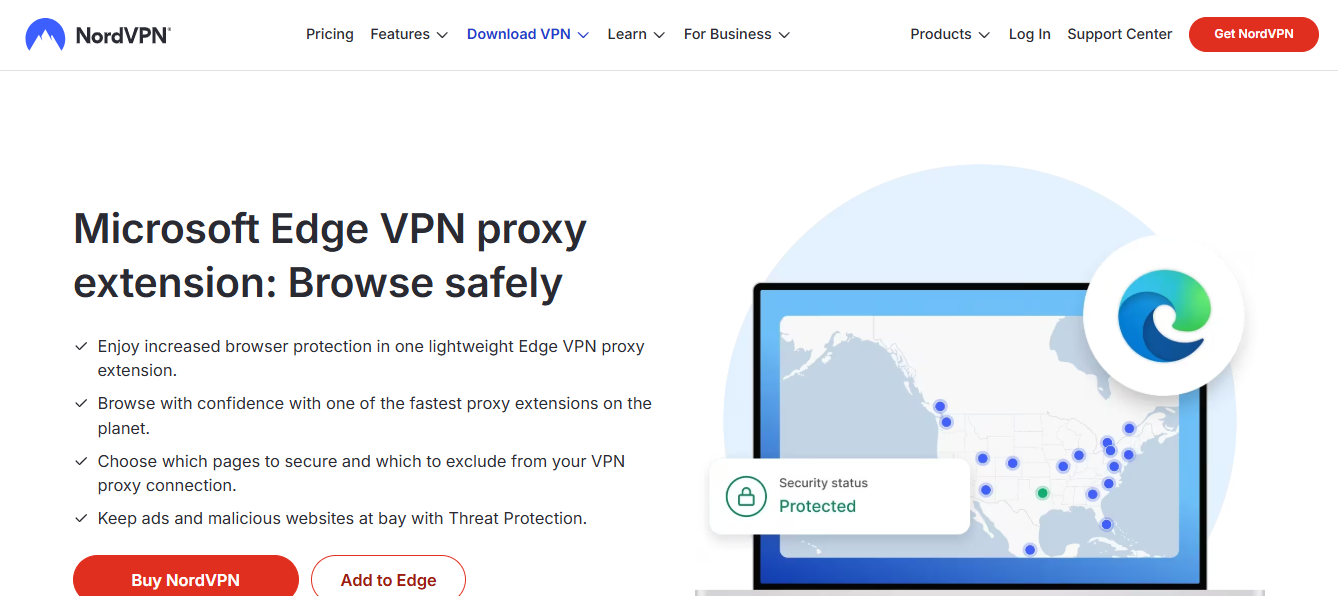
Edge supports a variety of VPN extensions available through the Microsoft Edge Add-ons store. These extensions provide browser-level VPN tunneling for Edge traffic.
Are free Edge VPN extensions safe to use?
Free VPN extensions can be safe when they come from reputable providers and have transparent privacy policies. Always review permissions, test for leaks, and be aware of data practices prior to trusting sensitive data.
Do Edge VPN extensions hide my IP?
Yes, when connected, the browser’s outgoing requests appear to come from the VPN server’s IP, not your real IP. This helps with privacy while browsing in Edge.
Will a free Edge VPN extension slow down my browsing?
Most free VPN extensions will reduce speed due to data caps, server load, and fewer optimization options. The impact varies by provider and server distance.
Can I watch geo-blocked content with an Edge VPN extension?
Some free extensions can unblock streaming sites, but success varies by provider and server. Streaming services actively block many free servers.
Do I need a separate OS-level VPN if I use an Edge extension?
Not necessarily for light browsing, but for complete device-wide privacy and security, a system-wide VPN is recommended in addition to Edge extensions.
How do I install an Edge VPN extension?
Open Edge > Extensions > Open add-ons store > Find the VPN extension > Add to Edge > Sign in if required > Connect to a server.
Can I trust free Edge VPN extensions with sensitive data?
Be cautious. Free extensions may collect usage statistics or metadata. Choose providers with transparent privacy policies and consider upgrading to a paid plan for stronger guarantees.
What should I look for in a good Edge VPN extension?
Key factors: minimal data logging, strong encryption, reputable company, reasonable server options, a kill switch if available, and clear privacy policies.
How can I test if a VPN extension leaks my real IP?
Use a reputable IP trap site like whatismyipaddress.com, run a DNS leak test, and perform a WebRTC leak test. If your real IP shows up, you may have a leak.
Are there Edge VPN extensions that are better than others for streaming?
Yes, some extensions have servers optimized for streaming or fewer blocks by streaming services. It’s usually worth testing a couple of servers to find one that works for your service.
Do NordVPN Edge extensions exist, or is it device-wide only?
NordVPN provides browser extensions for Edge that complement its device-wide VPN client. For complete protection across all apps, use both the Edge extension and the full VPN client.
Can I use multiple Edge VPN extensions at the same time?
It’s generally not recommended. Extensions may conflict, cause routing problems, or degrade performance. Pick one reliable Edge extension for most tasks and add more only if you have a clear need and know how to configure them.
What’s the best strategy for privacy on public Wi-Fi using Edge?
Connect your Edge browser to a trusted VPN extension on public Wi-Fi, enable Edge’s privacy protections, and avoid transmitting sensitive data in unencrypted pages. If possible, use a full device VPN in addition to Edge when on shared networks.
Do free Edge VPN extensions log my data?
Many free extensions keep some usage data to sustain the service. Always check the provider’s privacy policy and look for a clearly stated no-logs commitment or limited data retention.
Are there any legal or policy considerations when using Edge VPN extensions?
VPN usage is legal in most places, but you should respect service terms and local laws. Avoid using VPNs for illegal activities and be mindful of streaming service terms that prohibit VPN usage.
How often should I update or review my Edge VPN extension?
Regularly. Check for updates monthly, review the privacy policy at least every six months, and reassess whether the free plan still meets your needs as your browsing patterns change.
Final thoughts
Edge VPN extensions offer a practical, low-friction way to boost privacy and bypass some geo-restrictions right in your browser. They’re especially convenient for quick browsing sessions, on public networks, or when you’re just starting to explore VPNs. Keep expectations realistic: free plans are great for experimentation and light use, but they come with trade-offs. If you find yourself hitting data caps, speed bottlenecks, or intrusive data practices, consider stepping up to a reputable paid option that covers Edge and system-wide protection. And as always, pair your Edge VPN extension with solid browser privacy habits to stay safer online.
Frequently asked questions expanded
- What is the difference between an Edge extension and a full VPN app?
- How do I know if my real IP is hidden when using an Edge extension?
- Can Edge VPN extensions help me save money on streaming subscriptions by spoofing my location?
- Is it safe to use public Wi-Fi with Edge VPN extensions?
- How do I compare free Edge VPN extensions against paid versions?
- Do I need to disable built-in Edge tracking protection when using a VPN extension?
- Can I use these extensions on multiple devices, like Windows and macOS?
- What kind of data do free Edge VPN extensions typically collect?
- Are there any Edge-specific settings I should tweak after installing an extension?
- How do I remove an Edge VPN extension if I don’t like it anymore?
BONUS: If you’re shopping for a reliable, well-supported option and want something with strong performance and Edge integration, consider trying a premium solution. The NordVPN deal linked earlier is a convenient way to sample a comprehensive VPN service that includes browser extensions for Edge as part of a full VPN package, which can be a good middle ground between free Edge extensions and a full device-wide VPN.
私人vpn 使用与评测:全面隐私保护、跨境访问与购买指南