Vpn browser microsoft edge: A quick intro to VPNs inside the Edge ecosystem and how to use them for safer, private browsing on Windows. This guide covers setup, best practices, features, performance tips, and common questions, all with practical steps you can follow today.
Vpn browser microsoft edge is all about combining Edge’s smooth browsing experience with a reliable VPN to protect your online activity. Quick facts: VPNs encrypt your data, hide your IP address, and help you access geo-restricted content. In this guide, you’ll find a practical, step-by-step approach to using a VPN inside Edge, plus tips for maximizing privacy, speed, and security.
- Quick-start steps:
- Pick a reputable VPN service with a native Edge or browser-extension option.
- Install the VPN app or extension.
- Connect to a server location that matches your needs privacy, speed, or access.
- Open Edge and browse as usual; ensure the VPN is active in the status bar.
- Common use cases:
- Public Wi-Fi security
- Bypassing regional content blocks
- Protecting sensitive searches and credentials
- What you’ll learn:
- How VPNs work with Edge
- How to choose the right VPN plan
- How to troubleshoot common issues
- Useful resources unlinked, plain text: Apple Website - apple.com Artificial Intelligence Wikipedia - en.wikipedia.org/wiki/Artificial_intelligence Microsoft Edge Help - support.microsoft.com VPN service provider pages general - examplevpn.com, examplevpn.net
Why Use a VPN with Microsoft Edge
- Edge is fast, secure, and integrated with Windows. A VPN adds another layer of privacy by encrypting traffic and masking your IP.
- Many VPNs offer Edge-friendly extensions or apps that automatically route Edge traffic through the VPN tunnel.
- Using a VPN with Edge is especially helpful on public Wi-Fi, where data interception risk is higher.
How VPNs Work with Edge
- Encryption tunnel: Your data is encrypted between your device and the VPN server.
- IP masking: Your real IP is replaced with the server’s IP, making tracking harder.
- Geo-spoofing: You appear to be in a different location, enabling access to region-locked content.
- Kill switch: Some VPNs stop all traffic if the VPN drops, preventing leaks.
Choosing the Right VPN for Edge
- Privacy policy: Look for no-logs guarantees and independent audits.
- Jurisdiction: Favor providers outside high-retention or mass-surveillance regions.
- Speed and bandwidth: Check for unlimited bandwidth and servers close to you for lower latency.
- Edge compatibility: Prefer VPNs with Edge-compatible extensions or a Windows app that routes Edge traffic.
- Security features: 256-bit encryption, DNS leak protection, IPv6 leak protection, multihop options.
- Price versus features: Consider a plan that includes kill switch, split tunneling, and app-level protection.
VPN Formats for Edge
- Browser extension: Easy toggle, lightweight, but may not cover all traffic on the device.
- Desktop app: Routes all system traffic, including Edge, through the VPN tunnel.
- Manual configuration: Some providers offer manual OpenVPN or IKEv2 setups for Windows.
Step-by-Step Setup: Edge with a VPN Extension
- Pick a reputable provider and sign up.
- Install the Edge extension from the provider’s site or Edge Add-ons store.
- Click the VPN extension icon in Edge, log in if prompted.
- Choose a server location and connect.
- Verify the connection:
- Look for a green or connected indicator in the extension.
- Check your IP on a site like whatismyip.com to confirm the location changes.
- Start browsing. You should see improved privacy and access options.
Quick Tips for Extension Usage
- Enable “Always on” or auto-connect when Edge starts, if available.
- Use split tunneling if you only want Edge traffic protected.
- Disable WebRTC leaks if your VPN doesn’t block them check app settings.
- Regularly update the extension to patch security flaws.
Step-by-Step Setup: Edge with a Desktop VPN App
- Install the VPN desktop app on Windows.
- Launch the app and sign in.
- Pick a server and connect.
- Open Edge and test your connection.
- Use built-in features like kill switch and DNS leak protection.
- Disable other VPNs or proxy settings to avoid conflicts.
Pros and Cons
- Pros:
- Strong privacy and security on Edge
- Access to geo-blocked content
- Protection on public networks
- Cons:
- Potentially reduced speed due to encryption
- Some sites may block VPN IPs
- Needs occasional updates and maintenance
Safety and Privacy Best Practices
- Always enable the kill switch if you can. It prevents traffic leaks if the VPN disconnects.
- Use DNS leak protection to keep your real DNS from leaking.
- Keep Windows and Edge updated to mitigate vulnerabilities.
- Avoid free VPNs; they often log data or throttle speeds.
- Use strong, unique passwords for your VPN account and enable two-factor authentication if available.
- Regularly review app/extension permissions and disable unnecessary ones.
Performance and Reliability
- Server proximity matters: nearby servers usually offer lower latency.
- Protocol choice can affect speed: WireGuard generally offers good speed and modern security.
- SIMULTANEOUS devices: Check the number of devices allowed if you’re protecting multiple gadgets.
- Battery impact: VPNs can increase CPU usage on laptops; monitor power consumption.
Measurements You Can Trust
- Connection speed test: Run a speed test with and without the VPN to gauge impact.
- Ping/latency: Test after connecting to a nearby server for responsive browsing.
- Stability: Note if the connection drops frequently; consider a different server or protocol.
Edge Features and VPNs: Common Scenarios
- Streaming: Access geo-restricted content on services like streaming sites while staying private.
- Work-from-anywhere: Secure remote work by protecting credentials and sensitive data.
- Research and privacy: Reducing ad tracking and fingerprinting during searches.
Common Issues and Fixes
- Issue: VPN won’t connect
- Fix: Check account status, server load, protocol, and reboot router or device.
- Issue: Slow speeds
- Fix: Switch servers, try a different protocol, or close bandwidth-heavy apps.
- Issue: DNS leaks
- Fix: Enable DNS leak protection or use a VPN app that includes it.
- Issue: Edge extension not showing status
- Fix: Reinstall extension, clear browser cache, or restart Edge.
Security Considerations
- Edge Privacy Sandbox: Stay aware of tests and new privacy features proposed by Edge and Microsoft.
- Browser fingerprinting: VPN helps, but fingerprints can still occur; combine with Edge privacy settings.
- End-to-end threat model: Recognize VPNs protect traffic in transit but not endpoints; use HTTPS sites and strong passwords.
Accessibility and Usability Tips
- Keyboard shortcuts: Learn Edge’s quick shortcuts for switching profiles or extensions.
- Mobile sync: If you use Edge on mobile, choose a VPN that supports cross-device syncing.
- User education: Share simple checklists with family or teammates for safe browsing.
Edge-Specific Tips and Tricks
- Edge profiles: Create a dedicated profile for secure browsing that uses the VPN extension by default.
- Performance mode: Some VPNs offer a “Performance” mode optimized for streaming; try it if you’re watching video.
- Edge startup: Set the VPN to auto-connect on Edge startup if your provider supports it.
- Privacy dashboards: Use Edge’s privacy and security settings in combination with VPN features for layered protection.
Compliance and Legal Considerations
- Respect local laws about VPN use; some regions restrict or regulate VPNs.
- Check workplace policies if you’re using a VPN at work; some organizations have their own VPNs or security tools.
- Be mindful of terms of service of streaming and other sites; VPNs can violate terms in some cases.
Comparison: VPN Browser Extensions vs Desktop VPN Apps for Edge
- Extensions:
- Pros: Quick to enable, lightweight, easy on resources.
- Cons: Only handles Edge traffic or per-extension traffic, may leak if misconfigured.
- Desktop Apps:
- Pros: All device traffic, more features kill switch, DNS protection.
- Cons: Slightly more setup, may use more system resources.
- My take: For best privacy and control, use a desktop VPN app with Edge extension as a backup, and enable split tunneling if you only need Edge protected.
Recommended Practices for Different Users
- Beginners: Start with a trusted provider, use the Edge extension, and keep it simple with auto-connect.
- Privacy-focused users: Enable kill switch, DNS leak protection, and avoid free VPNs.
- Streamers: Pick servers optimized for streaming, enable “fast” or “unblock streaming” modes, and test multiple servers.
- Remote workers: Use a VPN with enterprise-grade security, confirm compatibility with corporate policies, and enable two-factor authentication.
Data and Statistics Recent Trends
- Global VPN usage has continued to rise due to privacy concerns and changing network environments.
- A majority of VPN users prioritize security features like kill switch, DNS leak protection, and no-logs policies.
- The adoption of WireGuard-based servers has increased, offering better speeds and modern security.
- Edge browser usage remains strong on Windows devices, reinforcing the value of a VPN integrated with Edge for everyday users.
Maintenance and Updates
- Regularly update Edge, Windows, and the VPN app/extension to ensure protections remain current.
- Periodically test your VPN for leaks IP, DNS, WebRTC and adjust settings accordingly.
- Review server lists and performance metrics to keep your experience smooth.
Final Recommendations
- If you’re starting out, choose a reputable VPN with an Edge extension and a Windows app, enable kill switch, DNS protection, and test a nearby server.
- For heavy privacy needs, consider a provider with strict no-logs policy, strong encryption, and independent audits.
- Stay mindful of connection health and update routines to keep your Edge browsing secure and fast.
Frequently Asked Questions
What exactly is a VPN and how does it work with Edge?
A VPN creates an encrypted tunnel between your device and a VPN server, masking your IP and protecting your data as you browse in Edge and beyond. Vpn auf dem iphone was es ist warum du es brauchst und wie du es einrichtest 2026
Do I need a VPN extension or a desktop app for Edge?
Extensions are convenient for Edge-only traffic, while desktop apps protect all device traffic. If privacy is your goal, a desktop app with a browser extension is ideal.
Will a VPN slow down Edge browsing?
Some slowdown is common due to encryption and longer routes, but choosing fast servers, using WireGuard, and minimizing distance to the VPN server can help.
Can I use a VPN on public Wi-Fi with Edge?
Yes, VPNs are particularly useful on public networks to prevent eavesdropping and increase privacy.
Is it legal to use a VPN with Edge everywhere?
Laws vary by country. In many places, VPN use is legal, but some regions restrict or regulate usage.
Can VPNs prevent tracking in Edge?
VPNs help by masking your IP and encrypting traffic, but they don’t stop all tracking. Use Edge’s privacy controls in combination with VPNs. Vpn add on edge free: Free Edge VPN extensions, setup, privacy tips, and performance guide for Microsoft Edge in 2026
How do I verify my VPN is working in Edge?
Check your IP on a site like whatismyip.com, and ensure the VPN extension/app shows an active connection.
What should I do if Edge shows DNS leaks?
Enable DNS leak protection in your VPN, or switch to a VPN that offers robust DNS protection.
Are free VPNs a good idea for Edge?
Free VPNs often come with limits, data caps, or privacy concerns. For serious privacy and reliability, choose a paid, reputable VPN.
How do I set up auto-connect for Edge on startup?
Use your VPN’s settings to auto-connect on system or application startup, and ensure Edge is allowed to route through the VPN automatically.
Vpn browser microsoft edge: a comprehensive guide to using a VPN inside the Edge browser for privacy, security, and streaming
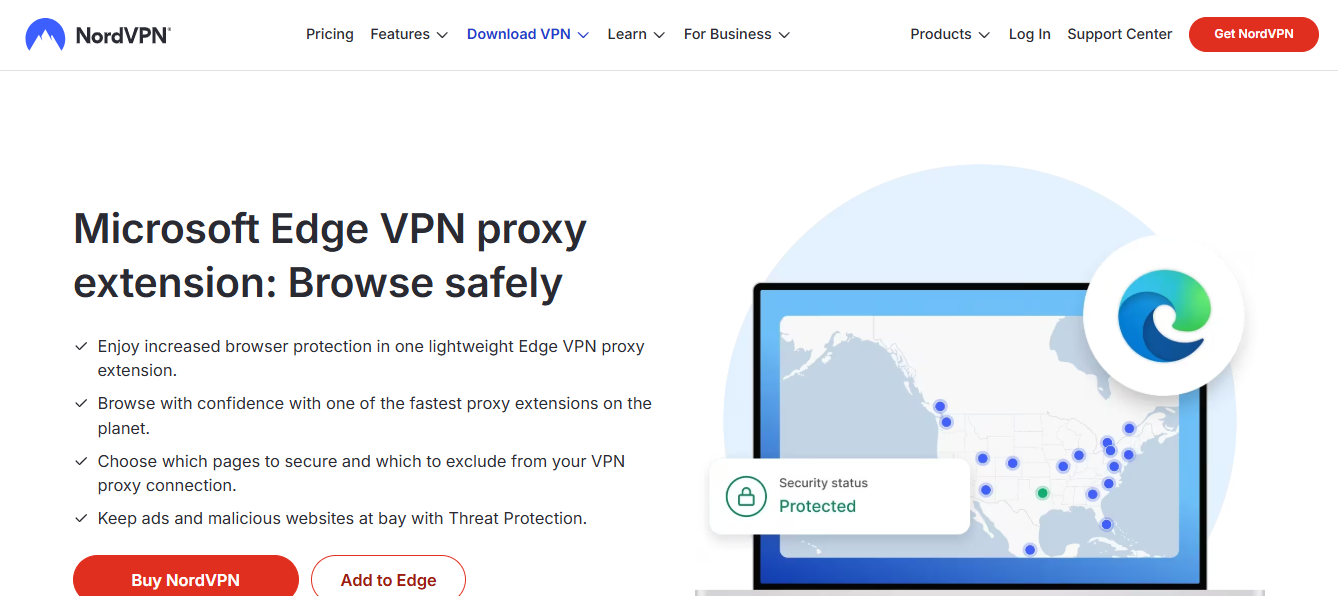
Vpn browser microsoft edge is a feature that lets you run a VPN directly in the Edge browser via extensions. In this guide, you’ll learn how Edge handles VPN extensions, how to set one up, and why you might choose a browser-based VPN versus a full system-wide VPN. We’ll cover performance, privacy, and real-world use cases like streaming, public Wi‑Fi security, and safe browsing on work devices. If you’re hunting for a solid deal, NordVPN currently offers a generous offer: — grab the savings and add a reliable Edge VPN extension to your setup. Use a vpn on your work computer the dos donts and why it matters for business security and compliance 2026
In this guide you’ll find:
- A straightforward explanation of how Edge-based VPNs work
- Step-by-step setup for Edge extensions
- Pros and cons of Edge VPNs vs. standalone apps
- Real-world tips to improve privacy, speed, and reliability
- Practical use cases, including streaming and secure browsing on public networks
- A curated set of Edge-friendly VPN extensions and what to look for when choosing one
- A robust FAQ section with common questions and clear answers
Useful URLs and Resources text only
- Microsoft Edge support - support.microsoft.com
- Microsoft Edge extensions overview - support.microsoft.com
- Virtual private network - en.wikipedia.org/wiki/Virtual_private_network
- AES-256 encryption basics - ciphersandsecurity.org
- Public Wi-Fi security tips - saferinternet.org
- VPN privacy and logging basics - privacyinternational.org
- How WebRTC can affect VPNs - Mozilla MDN
- Guide to DNS leaks - origin-null.org
- Kill switch concept in VPNs - techopedia.com
- Edge compatibility with extensions - support.microsoft.com
What is a VPN in the Edge browser?
A VPN in the Edge browser is typically an extension or add-on that routes your browser traffic through a separate server, hiding your IP address and encrypting data between your browser and the VPN server. There are two main ways Edge users can leverage VPN protection:
- Edge extensions browser-based VPNs: These are lightweight add-ons that encrypt and tunnel only the traffic that goes through the browser. They’re quick to install and ideal for privacy-conscious browsing, streaming, or bypassing geo‑blocks while using Edge.
- System-wide VPNs with Edge compatibility: Some people prefer a VPN app that covers all network traffic not just Edge. In many cases, a browser-based VPN and a system-wide VPN can be used concurrently to achieve both browser-level privacy and overall device protection, though you’ll want to configure split tunneling to avoid conflicts.
Key benefits:
- Targeted privacy for browser activity without affecting all device traffic
- Quick, easy setup directly inside Edge
- Often less CPU usage and simpler troubleshooting than a full VPN app
Key drawbacks: Usa vpn extension edge 2026
- Browser-only protection means other apps on the device aren’t covered
- Some advanced features like torrenting over VPN, advanced router settings, or full-device kill switches may be missing
- Performance can vary based on the extension’s server coverage and Edge’s extension permissions
How Edge handles VPN extensions vs a full VPN app
Edge, built on Chromium, supports most Chrome-compatible extensions. When you install a VPN extension in Edge, you’re typically adding:
- A lightweight client in the browser to manage the connection
- A browser proxy or VPN tunnel for Edge traffic
- Optional features like a browser kill switch, WebRTC protection, or DNS leak prevention
By contrast, a full VPN app:
- Encrypts all traffic from the device and all apps not just Edge
- May include a system-wide kill switch, DNS leak protection, and malware protection
- Often provides broader server options across multiple devices, plus cross-platform login
If your main goal is safer browsing in Edge, a good browser extension can be enough. If you want to protect everything you do on your device, you’ll likely want the full VPN app in addition to or instead of a browser extension.
How to set up a VPN extension in Microsoft Edge step-by-step
- Open Edge and go to the Extensions menu
- Search for “VPN” or the name of your preferred provider e.g., NordVPN, ExpressVPN, Surfshark
- Choose a trusted extension with solid reviews and a good privacy policy
- Click Add to Edge and grant the necessary permissions
- Open the extension from the toolbar, log in if required, and pick a server
- Toggle the extension on to route Edge traffic through the VPN
- Test your connection by visiting a site that shows your IP or a geolocation check
Tips for setup:
- Enable any built-in WebRTC or DNS leak protections if the extension offers them
- Check whether the extension has a “kill switch” option and enable it if available
- If you frequently switch networks, consider enabling auto-connect on startup or upon joining a new network
- Use a reputable extension from a well-known provider to avoid shady stalker extensions
Choosing the right Edge VPN extension: what to look for
- Privacy policy and logging: Look for “no-logs” guarantees and a clear policy that explains what data is collected and why.
- Encryption standards: AES-256 is the gold standard. ensure your extension uses strong encryption.
- Server locations and speed: More servers and strategic locations improve performance and unblock more content.
- WebRTC leak protection: This feature prevents your real IP from leaking through WebRTC in the browser.
- Kill switch: Prevents data leakage if the VPN disconnects unexpectedly.
- Split tunneling: Lets you route only certain Edge traffic through the VPN while leaving the rest of your traffic unaffected.
- Compatibility with Edge updates: Edge pushes frequent updates. ensure the extension remains compatible after updates.
- Independent audits or transparency reports: If possible, choose providers with third-party audits.
Edge-friendly VPN extensions to consider: Urban vpn proxy edge 2026
- NordVPN: Strong privacy stance, solid browser extension, good speed on many servers
- ExpressVPN: Known for reliability and fast servers, with a widely trusted browser extension
- Surfshark: Budget-friendly option with a robust browser extension and features like CleanWeb
- ProtonVPN: Strong privacy-minded option, often praised for transparency
- Windscribe: Generous free plan and good privacy options for Edge users
Performance, privacy, and security tips for Edge VPN users
- Test different servers: If a server is slow, switch to a different location. Location matters for speed and access to geo-blocked content.
- Enable WebRTC and DNS leak protections: These guard against IP leaks that could reveal your real location.
- Use secure protocols when available: Prefer extensions offering modern protocols and strong encryption.
- Combine with a system-wide VPN when needed: For complete device protection, run a full VPN app in addition to Edge’s extension, but only if you need it for non-browser traffic.
- Regularly review permissions: Some extensions request broad permissions that aren’t strictly necessary for VPN use. If something seems excessive, reconsider the extension.
- Keep Edge and extensions updated: Security fixes and compatibility improvements come with updates.
- Beware free VPNs: They can slow you down or log more data. Opt for reputable paid plans when possible.
Real-world use cases for Edge VPN extensions
- Privacy-focused browsing: If your goal is to reduce tracking while surfing in Edge, a browser-based VPN can be enough.
- Bypassing geo-restrictions in Edge: Access region-locked content just while using Edge without affecting other apps.
- Public Wi-Fi safety: Encrypts Edge traffic on coffee shop networks, protecting login details and sensitive data.
- Quick streaming checks: If your preferred streaming service blocks your region, a browser extension can help you test a different server without changing your entire device’s networking setup.
- Work-from-home and browser-based tasks: Edge VPN extensions can keep your browser activity private in shared devices or public workspaces.
Edge-specific privacy and security considerations
- WebRTC leaks: WebRTC can reveal your real IP address to websites even when a VPN is active. enable WebRTC protection in the extension settings if available.
- DNS leaks: Ensure the extension uses secure DNS resolution to prevent queries from leaking to your ISP.
- Data minimization: Prefer extensions that minimize data collection and offer clear, concise privacy reports.
- Edge update cadence: Browser updates can affect extension compatibility. monitor release notes after major Edge updates.
Edge vs. full VPN app: which should you choose?
Use Edge VPN extension if:
- Your primary goal is private browsing in Edge
- You want a quick setup with minimal system footprint
- You’re mainly streaming or browsing from one device
Use a full VPN app if:
- You want system-wide protection for all apps
- You need features like a robust kill switch for all traffic, or P2P/torrenting
- You’re working on devices with sensitive data beyond browser activity
Some users adopt a hybrid approach: Edge extension for browser-level privacy and a full VPN app for device-wide protection on networks you don’t trust.
Troubleshooting common issues
- Extension won’t connect: Check your internet connection, ensure you’re logged in, try a different server, and verify the extension has the necessary permissions.
- WebRTC/IP leaks: Enable WebRTC protection in the extension and consider turning off WebRTC in Edge if the option is available.
- Slow speeds: Switch to a closer server or a server with better performance stats. check your device’s CPU usage and ensure no other bandwidth-heavy apps are running.
- Edge extension conflicts: Disable other extensions that might conflict with the VPN extension, then re-enable one by one to identify the culprit.
- DNS leaks: Change DNS settings to a private DNS server within the extension or in Edge settings.
Practical best practices for Edge VPN usage
- Set a clear privacy goal: Are you trying to avoid tracking, bypass regional blocks, or simply add a layer of security on public networks?
- Combine with other privacy tools: A private search engine, tracking protection, and strict site permissions can complement your Edge-based VPN setup.
- Periodically audit extensions: Remove unused or suspicious extensions to minimize attack surfaces.
- Use strong device security: Enable a password, biometric login, and keep your OS updated to maximize overall security in addition to your VPN.
Frequently Asked Questions
Is Vpn browser microsoft edge the same as a full VPN app?
Vpn browser microsoft edge typically refers to a browser extension that protects only Edge traffic. A full VPN app protects all traffic on the device. You may choose one or both depending on your privacy goals and device usage.
Can I use multiple VPNs in Edge at the same time?
Most setups don’t require multiple VPNs. Running more than one VPN, especially on the same browser, can cause conflicts or connection instability. If you need a second layer of privacy for Edge, rely on a reputable single browser extension and consider a system-wide VPN for device-wide protection. Vpn login issues how to fix them keep your accounts safe across devices and networks 2026
Does Edge support VPN extensions from any provider?
Edge supports Chromium-based extensions, including many well-known VPN extensions. Stick to reputable providers with clear privacy policies and good reviews to minimize risk.
Are Edge VPN extensions safe to use on public Wi‑Fi?
Yes, when you choose a trusted provider and enable features like a kill switch and WebRTC protection. They encrypt browser traffic and help protect sensitive data on public networks.
What’s the difference between “kill switch” and “DNS leak protection” in VPNs?
A kill switch stops all traffic if the VPN disconnects, preventing data leaks. DNS leak protection ensures your DNS requests are sent through the VPN tunnel, not your ISP’s DNS server, to avoid revealing your browsing activity.
Can I stream with a VPN extension in Edge?
Many VPN extensions enable streaming by unblocking geo-restricted content and providing fast server options. If you experience buffering, try a local server, enable split tunneling for streaming sites, or consider a plan with higher speeds.
Do VPN extensions in Edge slow down my connection?
Some slowdown is common due to the extra encryption and routing, but it’s usually manageable. The degree of slowdown depends on server load, distance, and your baseline connection speed. Vpn avantaje dezavantaje si tot ce trebuie sa stii in 2026
Will Edge VPN extensions leak my real IP?
If properly configured WebRTC protections enabled and DNS leak protection active, leaks can be minimized. Always test for leaks after setup using an IP checker.
Can I use a VPN extension with a separate VPN app?
Yes, but you’ll want to manage routing carefully. In many cases, using a browser extension with a separate system-wide VPN is redundant and can cause conflicts unless you use split tunneling thoughtfully.
How do I uninstall or disable a VPN extension in Edge?
Open Edge Extensions, locate the VPN extension, and click Remove or disable. After disabling, test your IP to confirm you’re back to your normal network.
Can I trust free VPN extensions for Edge?
Free options can be appealing, but they often come with data limits, slower speeds, or questionable privacy practices. It’s generally safer to opt for reputable paid plans with transparent privacy policies and independent audits.
Do VPNs log my activity in Edge?
Logs policies vary by provider. Reputable VPNs usually publish a no-logs policy, but always review the privacy policy and terms. If privacy is your primary concern, choose a provider with independent audits and a strong no-logs commitment. Vpn funciona com dados moveis guia completo para usar purevpn no seu celular 2026
How do I know if my Edge browser is truly protected by the VPN extension?
Run a quick test by visiting a site that shows your IP/geolocation. If the displayed data matches the VPN server location rather than your actual location, your Edge extension is working. You can also check the extension’s status indicator.
What indicates a good Edge VPN extension?
A good Edge VPN extension should have strong encryption AES-256, WebRTC and DNS leak protections, a kill switch, transparent privacy terms, a reasonable server list, and consistent performance across tested regions.
Final tips for maximizing Edge VPN performance
- Regularly review server lists and pick those optimized for your region or use-case streaming vs. browsing vs. torrenting.
- Use Edge’s built-in privacy controls in tandem with your VPN extension for an extra layer of protection.
- Maintain good browser hygiene: clear cookies periodically, disable unnecessary site permissions, and use private browsing modes when needed.
- Stay aware of regional laws and streaming service terms. VPNs can help with privacy, but respect local rules and terms of service.
If you’re ready to try a robust Edge-ready VPN experience, start with a trusted provider’s browser extension, test a few server locations, and monitor performance. Remember, the key isn’t just shielding your IP—it’s balancing privacy, speed, and convenience to fit how you actually use Edge in daily life.
十三平台下載 的VPN使用指南:安全、快速、穩定的跨地域下載與訪問解決方案